

If you’re behind on your mortgage and a foreclosure notice just landed in your mailbox, the first thing worth knowing is this: you almost certainly have more time and more options than it feels like right now.
Foreclosure in Illinois is a slow, court-supervised legal process, not a sudden event, and selling a house in foreclosure is something families do successfully every day, often without losing a dollar of the equity they’ve built.
This isn’t meant to minimize what you’re going through. It’s meant to give you an accurate map, because most of the fear around foreclosure comes from not knowing where you actually stand in the process.
How Foreclosure Actually Starts
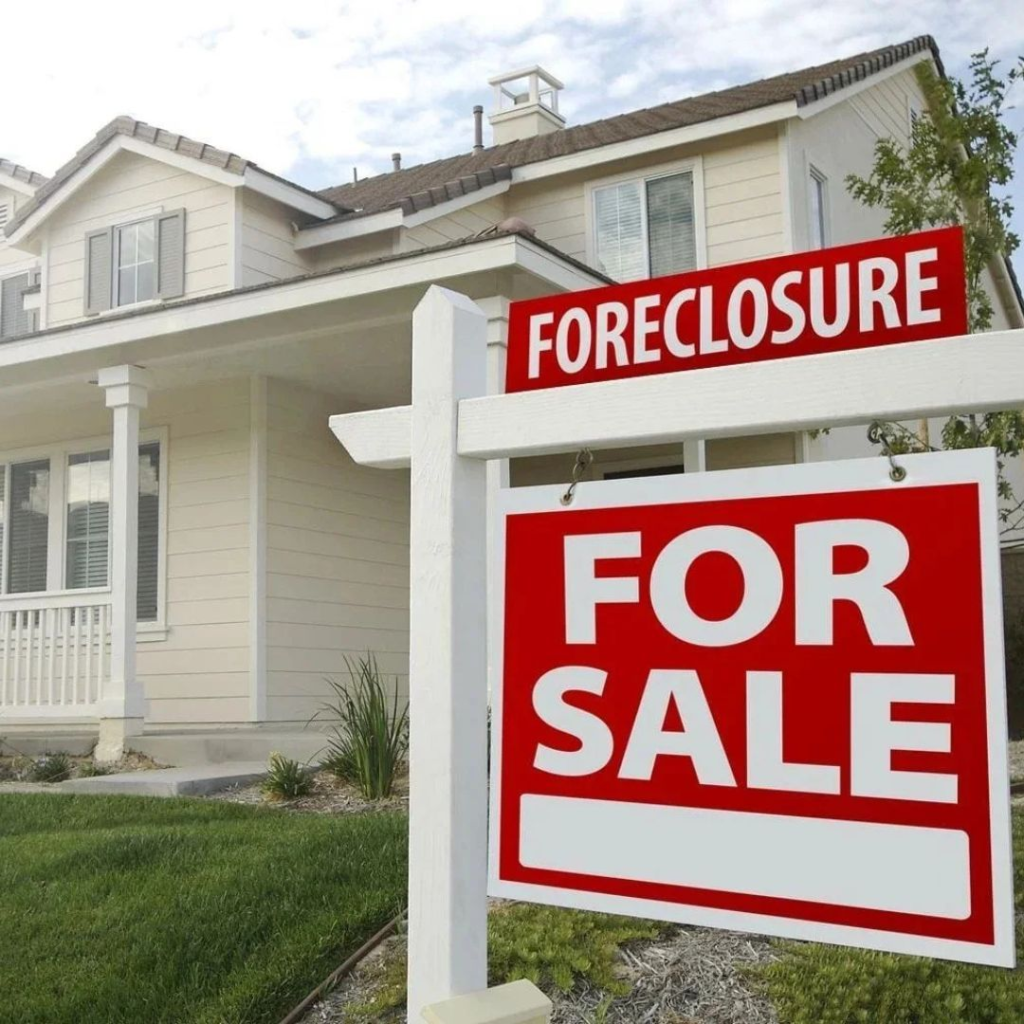
A lot of homeowners assume foreclosure begins the moment a payment is missed. It doesn’t. Under federal servicing rules enforced by the Consumer Financial Protection Bureau, your mortgage servicer generally cannot even refer your loan to foreclosure until you are more than 120 days delinquent.
Before that point, the servicer is required to try to reach you directly and explain what’s called loss mitigation, the options available to either keep the home or exit it without a foreclosure judgment on record.
Illinois is a judicial foreclosure state, which means your lender cannot simply take the house. They have to file an actual lawsuit in circuit court, governed by the Illinois Mortgage Foreclosure Law at 735 ILCS 5/15-1101 through 5/15-1706, and that lawsuit has to go through the same court system as any other civil case, with hearings, filing deadlines, and a judge who has to sign off before anything final happens. That structure is what gives you time.
The Real Illinois Timeline
Here is roughly how a straightforward, uncontested Illinois foreclosure unfolds, using Cook County as a reference point, since it’s the largest and most consistent example in the state.
#1. Around 30 to 60 days after a missed payment, the servicer typically starts reaching out, and by 45 days, they’re required to send written information about loss mitigation options.
#2. Once you’re past 120 days delinquent, the lender can send a formal demand letter and, after waiting an additional 30 days, file the foreclosure lawsuit in circuit court.
#3. You’ll be served with a summons and complaint, and you generally have 30 days to file a written response, called an appearance and answer.
#4. In Cook County, a case management hearing is typically scheduled around 60 days after filing, and if you don’t contest the case, the lender will move for a default judgment.
#5. Once a judgment of foreclosure is entered, Illinois law gives you a redemption period, which runs until 7 months after you were served with the lawsuit or 3 months after judgment, whichever date is later.
#6. Only after that redemption period expires can the property actually be scheduled for a judicial sale, followed by a confirmation of sale hearing where a judge approves the results.
#7. After the sale is confirmed, the new owner generally has the right to take possession, and eviction can happen as soon as 30 days later.
Add it up, and most uncontested Illinois foreclosures run somewhere between 9 and 12 months from the first missed payment to an actual sale, sometimes stretching past a year depending on court backlogs and the specific county. That means if you just received a summons, you likely have months, not days, to make a decision. Contested cases, where the homeowner raises defenses or files motions, can extend well beyond that.
What This Timeline Actually Means for You
Every stage of that process is a decision point, not a deadline for giving up. Because your servicer is required to evaluate loss mitigation options, submitting a complete application to your servicer more than 37 days before a scheduled sale generally entitles you to a real review before the foreclosure can proceed further, and applications submitted 90 or more days before a sale can come with additional appeal rights if you’re denied. Waiting until the last possible moment narrows your options considerably, so time really is the resource working in your favor here, as long as you use it.
If you’re in Cook County specifically, the Circuit Court’s Mortgage Foreclosure Mediation Program connects homeowners who’ve received a summons with free housing counseling and legal assistance before the case moves toward judgment, and it has historically helped a large share of participating homeowners either modify their loan or reach another workable resolution with their lender.
Your Actual Options at Each Stage

Selling a house in foreclosure isn’t a single decision; it’s one option among several, and the right one depends heavily on how much equity is in the home and how far along the case is.
Reinstatement. Early in the process, you generally have the right to reinstate the loan by paying the past-due amount plus fees, bringing the mortgage current and stopping the foreclosure entirely.
Repayment plan or forbearance. If your hardship was temporary, your servicer may agree to spread missed payments over time or pause payments for a set period while you recover financially.
Loan modification. For a longer-term change in circumstances, the servicer may restructure the loan itself, adjusting the rate, term, or principal to make payments sustainable over the long term.
Selling the house before the sale date. If there’s equity in the home, this is often the cleanest outcome. A sale before the auction lets you pay off the mortgage, keep whatever equity remains, and walk away with your credit in far better shape than a completed foreclosure would leave it.
Short sale. If the home is worth less than what’s owed, a short sale, selling for less than the mortgage balance with the lender’s approval, can still be preferable to letting the case run its full course.
Deed-in-lieu of foreclosure. Where a sale isn’t realistic, voluntarily signing the property over to the lender can sometimes avoid a formal foreclosure judgment and the deficiency that might otherwise follow.
The Consumer Financial Protection Bureau lays out these home-retention and home-disposition options in detail, and a HUD-approved housing counselor, reachable free through consumerfinance.gov/mortgagehelp or by calling (800) 569-4287, can walk through which ones actually fit your situation. That call costs nothing and is worth making early, since scam operators specifically target homeowners in foreclosure with paid “rescue” services that legitimate counseling is supposed to replace, not sell.
Why Selling Often Makes the Most Sense
Of the paths above, selling the house is frequently the option that gets a homeowner out from under the situation the fastest while protecting the most value.
A completed foreclosure typically does more lasting damage to credit than a sale does, can result in a deficiency judgment if the sale proceeds don’t cover what’s owed, and erases any equity you’ve built, since foreclosure sale prices are often well below market value.
Selling on your own terms, even under time pressure, tends to preserve far more of what you’ve put into the home over the years.
The challenge, of course, is that a house heading toward foreclosure often needs a fast, uncomplicated sale, and a traditional listing, with staging, showings, and a buyer who needs mortgage financing that takes 30 to 45 days to close, doesn’t always fit the timeline the court has already set in motion.
This is where a direct cash sale tends to fit best. Dynasty Buys Homes purchases properties across Cook and Will County in the Chicago Southland as-is, which means no repairs and no waiting on a buyer’s lender, and can often close in as little as 7 to 14 days, well within even a tight redemption window.
You can read more about how the foreclosure sale process works or explore the general cash-offer process and get a no-obligation offer to see where you stand.
If the mortgage isn’t the only complication, if there are back taxes, liens, or a title issue tangled up in the situation, it’s worth understanding how title and tax issues actually get resolved at closing, since these are common in properties that have been under financial strain for a while. And if the house needs work you simply don’t have the time or money to do before a fast sale, our guide on what it really means to sell a house as-is covers what sellers still owe buyers and what they don’t.
Homeowners weighing whether a cash sale or a traditional listing nets more in a time-sensitive situation may also find it helpful to see a direct comparison of cash offers versus listing, since the holding costs and uncertainty of a slower sale can quietly erase whatever a higher list price might have offered on paper.
And because “we buy houses” companies vary enormously in legitimacy, especially in stressful situations like foreclosure, it’s worth a quick read through the warning signs of a cash home buyer scam before signing anything with anyone.
If you’re located in the south suburbs, whether that’s Harvey, Calumet City, Dolton, or another Cook or Will County community, Dynasty’s local familiarity with those markets tends to produce a more grounded, realistic offer than a national buyer working from spreadsheets alone.
Can You Sell After the Lawsuit Is Filed?
Yes, and this surprises a lot of people. Being served with a foreclosure summons does not mean the house is already gone. As long as the sale hasn’t happened and been confirmed by the court, you generally retain the right to sell the property, pay off the mortgage balance from the proceeds, and keep whatever equity remains.
Once the judicial sale is confirmed, though, Illinois does not provide a general post-sale right of redemption the way some states do, so the practical window to sell on your own terms closes at that point, not before. This is exactly why moving early, rather than waiting to see how the court case unfolds, tends to preserve the most options and the most money.
What Happens If You Do Nothing
It’s worth saying plainly, without exaggerating it: if a foreclosure case runs its full course without any response, the eventual outcome is a court-ordered sale, typically at auction, followed by an eviction order that can take effect as little as 30 days after the sale is confirmed.
Illinois law also allows lenders to pursue a deficiency judgment, meaning you could still owe money after losing the home, if the sale price doesn’t cover the full debt. None of this is meant as a scare tactic, it’s simply what the legal process looks like when nobody intervenes, and it’s exactly why the options above, especially selling the home while there’s still time and equity to work with, tend to leave people in a far better position.
A Practical Next-Step Checklist
#1. Call your servicer or a free HUD-approved housing counselor immediately, even if you think you already know your options, since new programs and rules change regularly.
#2. Find out exactly what stage your case is at, whether that’s pre-filing, served with a summons, or already past judgment, since your realistic options shrink at each stage.
#3. If you’re in Cook County and have received a summons, contact the Mortgage Foreclosure Mediation Program before your case management hearing, not after.
#4. Get a realistic sense of your home’s current value and what you owe, so you know whether a sale would produce equity, break even, or require a short sale approval.
#5. If a fast sale looks like the right move, start that process in parallel with any loss mitigation review, rather than waiting to see how one path plays out before starting the other.
#6. Keep records of every call, letter, and document exchanged with your servicer or their attorneys, since accurate paperwork matters if anything is contested later.
Foreclosure feels like it’s happening to you, but for most of this timeline, you’re still the one holding the decision. The families who come out the other side in the best shape are almost always the ones who moved early, asked for help before they thought they needed it, and treated the process as a series of choices rather than a countdown they couldn’t affect.