

Few discoveries strike a homeowner’s heart as much as a crack running across a basement wall, a door that suddenly stops closing properly, or an inspector’s report flagging “foundation settlement” in bold letters.
Foundation and structural issues carry a reputation as one of the most serious and most feared categories of home defects, and for good reason: they can be expensive to fix and intimidating to disclose.
Still, selling a house with foundation issues in Indiana is far more common, and far more manageable, than most homeowners initially assume.
This guide breaks down what foundation issues mean for your home’s value and sale process, your realistic options, and how to move forward confidently whether you choose to repair first or sell as-is.
Understanding What “Foundation Issues” Actually Means
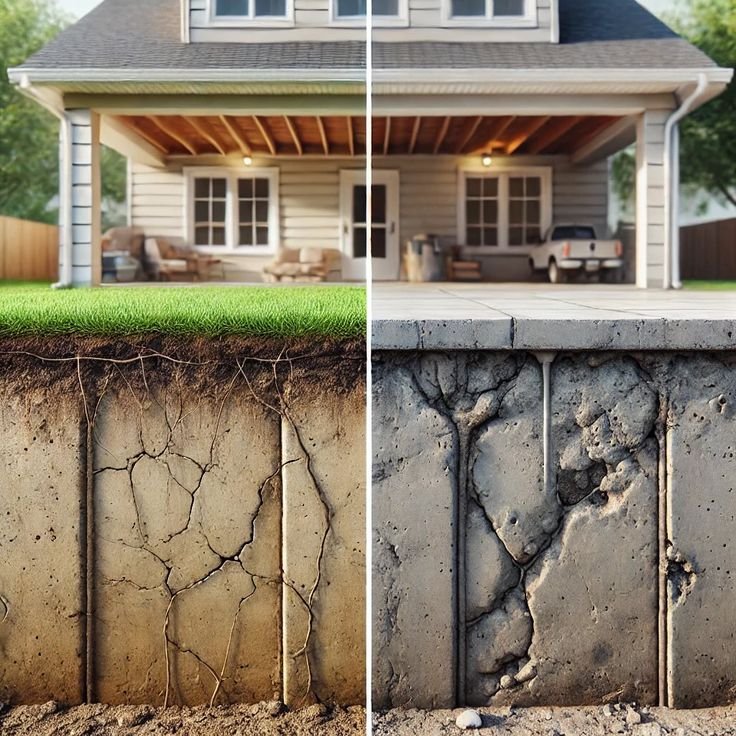
The term “foundation issues” covers a wide spectrum, from minor, cosmetic settling cracks that pose no real structural threat to severe, active movement that compromises the safety and stability of the entire structure.
Understanding where your specific situation falls on this spectrum is the essential first step before deciding how to proceed.
Common foundation and structural issues include:
#1. Hairline or cosmetic cracks, often related to normal curing and settling, generally not a structural concern
#2. Stair-step cracks in masonry can indicate more significant settling, particularly if accompanied by other symptoms
#3. Bowing or leaning basement walls are often caused by hydrostatic pressure from soil and water, typically requiring intervention
#4. Uneven or sloping floors can indicate foundation settlement affecting the home’s structural support
#5. Sticking doors and windows are frequently an early symptom of foundation movement affecting the home’s frame
#6. Visible gaps between walls, ceilings, or floors often indicate ongoing or significant past movement
Getting a professional structural engineer’s assessment, rather than relying solely on a general contractor’s opinion, is the most reliable way to understand the true severity of your situation and what, if anything, needs to be done before selling a house with foundation issues in Indiana.
Why Foundation Issues Feel Scarier Than They Often Are
Foundation issues carry an outsized emotional weight compared to many other home repair categories, largely because they affect the structure and safety of the home itself.
This fear is understandable, but foundation issues are also among the most common defects found during home inspections, and the real estate and construction industries have well-established, reliable methods for diagnosing and repairing them.
Unlike some less predictable defects, foundation problems are generally well understood by engineers and repair specialists, with established repair techniques ranging from simple crack injection to more involved piering or underpinning systems with decades of track record.
This predictability is actually good news for sellers: buyers and their lenders have clear frameworks for evaluating these issues, rather than facing entirely unknown territory.
What Causes Foundation Issues in Indiana Homes
Indiana’s climate and soil conditions contribute to certain patterns of foundation issues that are worth understanding.
The state experiences significant seasonal temperature swings, freeze-thaw cycles, and variable soil moisture content throughout the year, all of which can contribute to foundation movement over time, particularly in homes built on expansive clay soils common in parts of the region.
Poor drainage around a home’s foundation is one of the most common contributing factors, allowing water to pool near the foundation and exert pressure on basement walls or contribute to soil movement beneath the footing.
Homes with gutters that don’t properly direct water away from the foundation, or grading that slopes toward rather than away from the house, are particularly susceptible to these issues over time.
Age is another factor, though not always in the way homeowners expect. While older homes have had more time to settle and for potential issues to develop, newer construction isn’t immune either, particularly if proper soil compaction or drainage considerations weren’t adequately addressed during construction.
How Foundation Issues Affect Financing and Buyer Interest
Much like other significant structural concerns, foundation issues can complicate traditional financing.
Lenders and appraisers generally flag foundation concerns identified during an appraisal or required inspection, and loans may be denied or made contingent on repairs being completed or, in some cases, on an acceptable repair plan and warranty being in place before closing.
This means that unresolved foundation issues often narrow your buyer pool to cash buyers, investors, or buyers using specific renovation loan products designed to finance both the purchase and necessary repairs simultaneously.
Understanding this dynamic early in your planning process helps set realistic expectations for your marketing strategy and timeline when selling a house with foundation issues in Indiana.
Getting an Accurate Assessment and Repair Estimate

Before making any decisions, invest in a thorough evaluation from a licensed structural engineer, distinct from a general home inspector, who can provide a detailed, professional assessment of the severity of your foundation issues and specific repair recommendations.
This assessment becomes an essential tool for your decision-making and for providing potential buyers with clear, credible information about the property’s condition.
Once you understand the scope of the issue, get multiple quotes from reputable foundation repair companies experienced in your specific type of issue.
Costs vary widely depending on severity and repair method, so multiple quotes help you understand a realistic range and identify contractors offering established warranties, which can significantly ease buyer concerns later in the process.
Realistic Cost Ranges for Foundation Repairs
Foundation repair costs vary dramatically based on the severity and type of issue, as well as regional labor and material costs. General ranges homeowners typically encounter include:
#1. Minor crack repair (injection or sealing): Often $500 to $2,500
#2. Waterproofing and drainage improvements: Typically $3,000 to $15,000, depending on scope
#3. Pier or underpinning systems for settling foundations: Often $10,000 to $30,000 or more, depending on the number of piers required and foundation size
#4. Wall stabilization for bowing basement walls: Generally $5,000 to $20,000, depending on the method used and extent of the bowing
#5. Full foundation replacement (rare, severe cases): Can exceed $50,000 to $100,000 in extreme situations
These figures are general estimates, and actual costs depend heavily on your specific situation, local contractor rates, and the scope of work required.
Anyone weighing whether to repair before selling a house with foundation issues in Indiana should treat these figures as a starting point for research, not a final answer.
Deciding Whether to Repair Before Selling
This is often the central decision facing homeowners in this situation, and there’s no universally correct answer; it depends heavily on your financial situation, timeline, and the severity of the specific issue.
The Case for Repairing First
Completing foundation repairs before listing typically opens your home to the broadest possible buyer pool, including traditional financed owner-occupant buyers, and generally yields the highest sale price.
Many reputable foundation repair companies offer transferable warranties, which can provide significant buyer reassurance and help offset any lingering stigma associated with a home’s foundation history.
This path requires upfront capital and time, potentially several weeks to a few months depending on the repair method and contractor availability.
For homeowners with the financial resources and timeline flexibility, this route often makes the most financial sense, particularly for more severe issues that would otherwise significantly limit buyer interest.
The Case for Selling As-Is
For homeowners without the capital or desire to manage a repair process before selling, selling a house with foundation issues in Indiana as-is remains a completely viable path.
This approach appeals primarily to investors, contractors, and cash buyers experienced in evaluating and repairing structural issues themselves, who will factor anticipated repair costs into their offer.
While the sale price will typically be lower than what a fully repaired home would command, this path eliminates upfront costs and repair timeline concerns entirely, allowing for a much faster closing process, often within one to two weeks with the right buyer.
Marketing a Home With Foundation Issues
If you decide to sell without completing repairs, your marketing approach needs to reflect this reality clearly and honestly.
Providing your structural engineer’s assessment and any repair quotes you’ve obtained upfront helps attract serious buyers who understand exactly what they’re evaluating, rather than generating interest from buyers who will walk away once the issue surfaces during their own inspection.
Real estate agents experienced in distressed property sales can help connect you with investor networks specifically interested in properties needing this type of work, often resulting in a faster, more straightforward transaction than attempting to market a foundation-compromised home through traditional channels aimed at owner-occupant buyers, a key consideration when selling a house with foundation issues in Indiana.
Pricing a Home With Known Foundation Issues
Pricing requires accounting for the estimated cost of repairs, plus a reasonable margin reflecting the buyer’s assumed risk and the effort required to manage the process.
Comparable sales data for structurally sound homes won’t translate directly, so it’s worth seeking comparable sales of similarly affected properties when available, or relying on an experienced local agent’s judgment about appropriate pricing given your specific circumstances.
Being significantly underpriced relative to the true scope of the issue can leave money on the table, while being overpriced relative to buyer expectations for a home with known foundation problems can leave your listing unsold for an extended period.
Getting professional input on pricing specifically calibrated to properties selling a house with foundation issues in Indiana tends to produce better outcomes than guessing.
Legal and Disclosure Requirements in Indiana
Indiana law requires sellers to disclose known material defects, and foundation or structural issues clearly fall into this category, regardless of whether repairs have been completed.
Even after professional repairs, many sellers choose to proactively disclose the property’s foundation history, along with documentation of the repair work and any associated warranties, to protect themselves from potential legal disputes down the road.
Working with a real estate attorney familiar with disclosure requirements can help ensure you meet all legal obligations while protecting yourself from future liability, especially given how seriously buyers and their attorneys scrutinize this category of defect when selling a house with foundation issues in Indiana.
Working With the Right Professionals
Given the technical complexity and buyer sensitivity surrounding foundation issues, working with experienced professionals throughout this process is particularly valuable. A structural engineer provides the technical assessment necessary for informed decision-making.
A real estate agent experienced in distressed or structurally compromised properties can help you navigate marketing and pricing effectively. A real estate attorney can help ensure your disclosure obligations are properly met, protecting you from future liability regardless of which path you choose.
Tips for Navigating This Process Successfully
#1. Get a professional structural assessment first. Understanding the true severity of your situation is essential before making any decisions.
#2. Obtain multiple repair quotes. Costs vary significantly between contractors, and warranties can meaningfully affect buyer confidence.
#3. Decide your path early. Whether you repair first or sell as-is, committing to a clear strategy early streamlines the entire process.
#4. Disclose fully and honestly. Indiana law requires this, and transparency protects you from legal disputes after closing.
#5. Work with experienced professionals. A structural engineer, real estate agent, and attorney familiar with this specific issue can help you avoid costly missteps.
Frequently Asked Questions
Can I sell a house with foundation issues without repairing them first? Yes, though your buyer pool will likely be limited primarily to cash buyers and investors, since traditional mortgage lenders often require significant structural issues to be resolved before approving financing.
Will foundation issues significantly lower my home’s value? It depends on severity. Minor, cosmetic issues have relatively little impact, while more significant structural problems can meaningfully affect value, though pricing appropriately for the situation typically still results in a fair, marketable transaction.
Do I have to disclose foundation issues even after they’ve been repaired? Generally, yes. Indiana’s disclosure laws require sellers to reveal known material defects, and most sellers choose to disclose past foundation issues even after repairs, often alongside documentation of the work and any warranties in place.
Final Thoughts
Selling a house with foundation issues in Indiana can feel intimidating at first, but with an accurate professional assessment, a clear understanding of your realistic options, and transparent communication throughout the process, you can navigate this situation successfully.
Whether you choose to invest in repairs beforehand to maximize your sale price and buyer pool, or move forward with a faster as-is sale to an investor, understanding the realities of cost, timeline, and disclosure puts you in control of the outcome.
With the right professional guidance and a clear-eyed approach to your specific situation, selling a house with foundation issues in Indiana doesn’t have to mean settling for an unfair price or an overwhelming process; it simply requires the right strategy for your circumstances.