

Selling a rental property is different than selling a primary residence—especially when tenants are still living in the home. If you’re a landlord asking, “Can I sell a tenant-occupied house in Indiana?” the answer is yes, but the process depends on the lease, tenant cooperation, and your timeline. Understanding these factors will help you navigate the complexities of selling while ensuring a smoother transition for both you and your tenants.
To successfully sell a tenant-occupied house, it’s crucial to understand both the rights of your tenants and the legal obligations of landlords.
When you decide to sell a tenant-occupied house, make sure to consider the tenant’s situation as well.
Effective communication is key when you sell a tenant-occupied house to ensure a smooth transition.
Overall, strategies to sell a tenant-occupied house can vary widely based on your goals and tenant dynamics.
If you’re looking to sell a tenant-occupied house, it’s essential to understand the specific nuances involved in this process.
Managing expectations is vital when you sell a tenant-occupied house, both for you and your tenants.
To effectively sell a tenant-occupied house, maintain open lines of communication with your tenants.
This guide covers practical steps to sell with tenants in place, common pitfalls, and why some landlords choose an as-is direct sale to avoid months of coordination. We will delve into strategies that can maximize your sale price, tips on maintaining tenant relationships during the process, and how to effectively market a tenant-occupied property to prospective buyers. Every landlord’s situation is unique, and having the right information can significantly impact your selling experience.
If you want to explore a simple as-is option for a rental in Northwest Indiana, call/text Dynasty Buys Homes at (219) 319-1916.
When you sell a tenant-occupied house, fostering good communication and transparency with your tenants is key.
Step 1: Know Your Lease Situation
Your first move is understanding the tenancy. Take time to review the lease agreements and communicate with your tenants. Determining whether the lease is:
- Month-to-month
- Fixed-term lease
- Section 8 or assisted housing (if applicable)
- Non-paying tenant / eviction in progress
This determines how the sale is handled and what buyers will accept, impacting the overall timeline and strategy for your sale process.
Step 2: Decide Your Selling Goal
Identifying your primary goal will guide your decisions and ensure that you remain focused throughout the selling process. Whether you want to maximize your sale price or expedite the sale, your strategy should align with your financial goals and personal circumstances.
Understanding how to sell a tenant-occupied house can greatly enhance your success.
Landlords usually want one of these outcomes:
Landlords usually want one of these outcomes:
- Maximize sale price (retail buyer, vacant property),
- Sell to another landlord (tenant stays),
- Sell fast (as-is buyer, minimal disruption).
Your goal determines your strategy, guiding you to choose the best selling route that aligns with your immediate needs and long-term objectives.
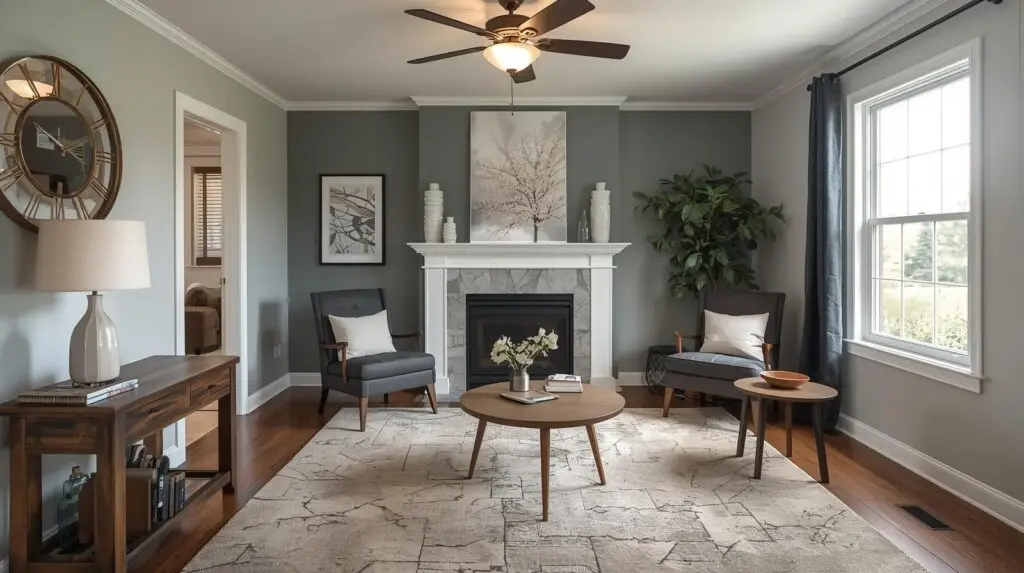
Selling Options for Tenant-Occupied Properties
It’s essential to weigh the pros and cons of each option before deciding which path to take. This decision will greatly influence the speed of the sale and the overall experience for everyone involved.
There are several approaches you can consider when selling a tenant-occupied property, each with its own benefits and drawbacks:
Understanding different selling options can help you effectively sell a tenant-occupied house.
Option A: Sell vacant (often best price, more work)
Option A: Sell vacant (often best price, more work)
Some landlords choose to wait for lease end or negotiate a move-out. This can increase buyer pool but takes time and careful coordination. Staging the property and making necessary repairs can attract higher offers, so consider investing in your property to maximize its appeal.
Deciding to sell a tenant-occupied house involves various strategies depending on your situation.
Option B: Sell with tenants in place (investor buyer)
Choosing the right approach to sell a tenant-occupied house can influence your overall experience.
When you are prepared to sell a tenant-occupied house, clarity in your communication with tenants will ease the process.
In summary, how you choose to sell a tenant-occupied house is crucial for a successful sale.
Investors may prefer a performing tenant with rent history. However, condition and rent level matter. Highlighting the positive aspects of the tenancy can be beneficial, such as consistent rent payments and a good landlord-tenant relationship. Be ready to provide documentation and present a strong case for the investment potential of the property.
Investors often look for properties when they want to sell a tenant-occupied house with minimal hassle.
For many landlords, figuring out how to sell a tenant-occupied house effectively can be challenging.
Investors may prefer a performing tenant with rent history. However, condition and rent level matter.
Option C: Direct as-is sale (speed and simplicity)
If the home needs repairs, the tenant relationship is strained, or you want a clean exit, a direct as-is sale can reduce hassle. While you may receive a lower price, this method provides certainty and expedites the process, allowing you to move on without prolonged negotiations.
If the home needs repairs, the tenant relationship is strained, or you want a clean exit, a direct as-is sale can reduce hassle.
Ultimately, knowing how to sell a tenant-occupied house can make a significant difference in your sale outcome.
Consider the future of the property when you sell a tenant-occupied house to ensure the best outcome.
Regardless of the option you choose, understanding market trends and conducting thorough research can significantly influence your selling strategy. Familiarizing yourself with comparable properties in the area will give you a better sense of pricing and help you articulate the property’s value to prospective buyers.
Finding ways to sell a tenant-occupied house with minimal disruption for your tenants is vital.
Seek professional help if you’re unsure how to sell a tenant-occupied house in Indiana.
Dynasty Buys Homes buys as-is and can discuss tenant-occupied scenarios. Call/text (219) 319-1916. Their expertise in handling these types of sales can provide you with valuable insights and options tailored to your specific situation.
Practical Tips for Selling With Tenants
Communicate early (and respectfully)
Tenants get nervous when they hear “sale.” Explain what changes and what doesn’t. Calm tenants = smoother sale. Keep them informed about showings and any potential buyer interactions to minimize anxiety and foster cooperation. Open lines of communication are essential to maintaining a positive relationship throughout the process.
Tenants get nervous when they hear “sale.” Explain what changes and what doesn’t. Calm tenants = smoother sale.
Keep showings reasonable
Over-showing creates conflict. Schedule blocks of time and follow the lease/legal requirements. Provide tenants with ample notice before showings to ensure they are comfortable and can prepare. Establishing a routine will help to minimize disruptions to their daily lives while still facilitating the sale process.
Over-showing creates conflict. Schedule blocks of time and follow the lease/legal requirements.
Document rent history and condition
If selling to an investor, provide:
If selling to an investor, provide:
- Rent amount,
- Payment history,
- Lease terms,
- Utility responsibility,
- Security deposit documentation.
Price correctly
Tenant-occupied properties with deferred maintenance often sell differently than retail homes. Price must reflect condition and tenant realities. Understanding the local market can help you set a competitive price that attracts buyers while still meeting your financial needs.
Tenant-occupied properties with deferred maintenance often sell differently than retail homes. Price must reflect condition and tenant realities.
Common Challenges
While selling tenant-occupied properties, you may encounter challenges, including:
- Tenants refusing access
- Property condition declining
- Non-payment
- Lease complications
- Buyer fear of inheriting a problem tenant
The more complicated it is, the more a direct sale becomes appealing. Streamlining the process can alleviate some of the headaches associated with traditional selling, especially when dealing with tenant-related issues.
Bottom Line
Yes, you can sell a tenant-occupied house in Indiana. The best approach depends on lease type, tenant cooperation, and your timeline. If you want a straightforward as-is option, call/text Dynasty Buys Homes at (219) 319-1916. Their expertise in the field can provide you with tailored solutions and help you achieve your selling goals efficiently.
Yes, you can sell a tenant-occupied house in Indiana. The best approach depends on lease type, tenant cooperation, and your timeline. If you want a straightforward as-is option, call/text Dynasty Buys Homes at (219) 319-1916.
Disclaimer: This is general education and not legal advice. Consult an attorney regarding tenant rights and lease laws.
Disclaimer: This is general education and not legal advice. Consult an attorney regarding tenant rights and lease laws. Each situation is unique, and professional guidance can help you navigate the complexities involved in selling a tenant-occupied property.
Remember, you can always sell a tenant-occupied house, but the method matters.
When you decide to sell a tenant-occupied house, understanding your lease is crucial.
Challenges can arise when you look to sell a tenant-occupied house, so be prepared.
Ultimately, knowing the right methods to sell a tenant-occupied house will lead to better results.
In summary, you can successfully sell a tenant-occupied house with the right strategies.
Being informed about how to sell a tenant-occupied house will greatly benefit you.
Keep in mind the importance of knowing how to effectively sell a tenant-occupied house.
Understanding your tenants can facilitate the process of how to sell a tenant-occupied house smoothly.
Ultimately, the goal to sell a tenant-occupied house is to find a solution that benefits everyone.
Ultimately, the strategy to sell a tenant-occupied house should reflect both your needs and those of your tenants.
Being informed will empower you as you navigate how to sell a tenant-occupied house.
