

Sell my house fast before foreclosure
Facing foreclosure can be overwhelming. It threatens your financial stability and peace of mind.
But selling your house quickly can be a viable solution.
Acting fast is crucial. The sooner you start, the more options you have.
Understanding the foreclosure process is key. It helps you make informed decisions.
There are several ways to sell your house fast. Each option has its pros and cons.
Cash buyers and real estate investors can close deals quickly. They often buy homes “as-is.”
Real estate agents can help, but the process might take longer.
This guide will walk you through the steps to sell your house fast before it goes to foreclosure.
Understanding Foreclosure: What It Means for Homeowners
Foreclosure is a legal process lenders use when borrowers default on their mortgage payments. The lender attempts to recover the loan balance by taking ownership of the property.
For homeowners, foreclosure can lead to a significant drop in credit score. It affects future borrowing options, making financial recovery more challenging.
Understanding this process is crucial. Early awareness can help homeowners take timely action. Knowing the foreclosure timeline can provide guidance.
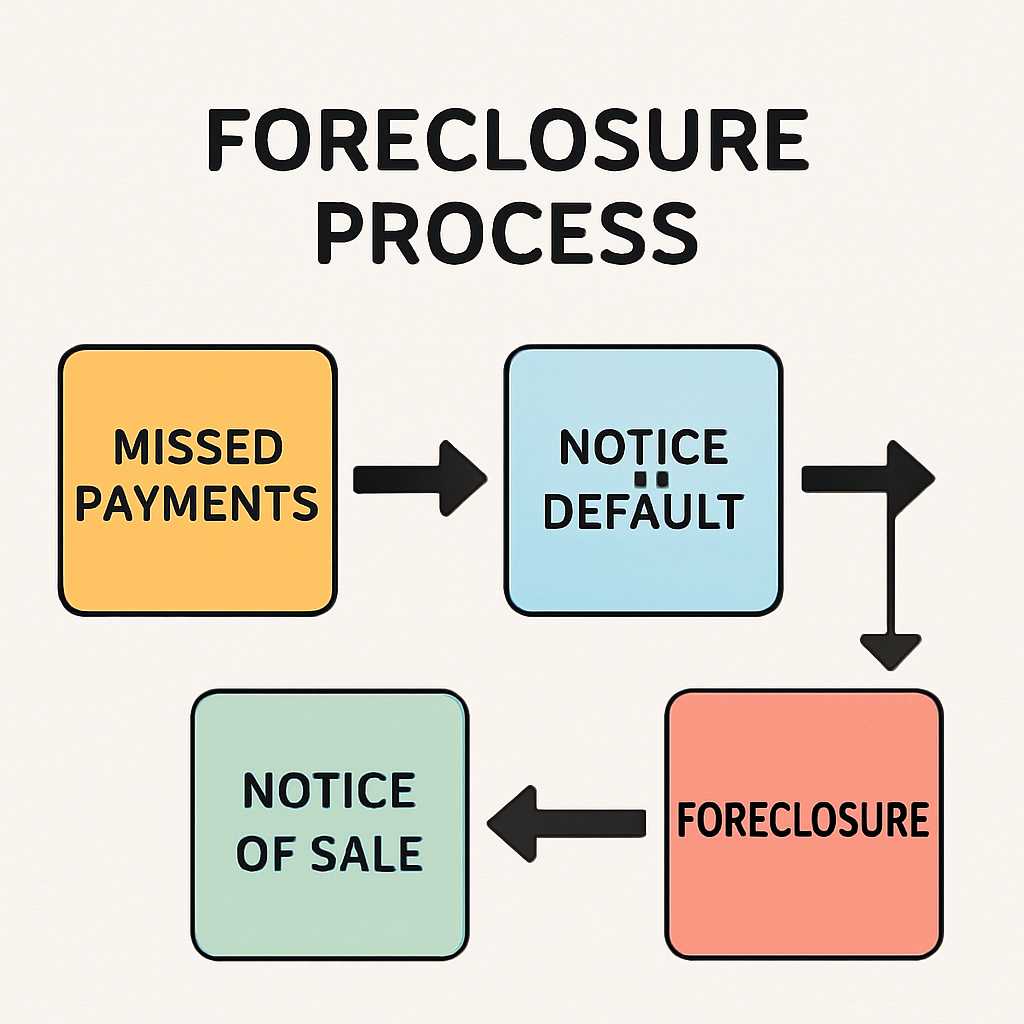
The General Steps in Foreclosure:
- Missed Payments: Typically begins after several missed payments.
- Notice of Default: This formal notice starts the foreclosure process.
- Pre-Foreclosure: Homeowners have time to rectify the situation.
- Auction: If unresolved, the property is auctioned.
- Post-Foreclosure: The lender owns the home if it is not sold at auction.
Pre-foreclosure offers a window of opportunity. During this phase, homeowners can still sell their property.
Selling during this period can help prevent long-term financial damage. It protects your credit score and allows you to start fresh.
Communication with your lender is paramount. Discussing your options early could reveal alternatives that you hadn’t considered.
Seeking foreclosure help and support early on can make all the difference. Access to resources and guidance can significantly ease the process.
The Foreclosure Timeline: How Much Time Do You Have?
Understanding the foreclosure timeline can be crucial. It provides clarity on how long you have to act. While timelines can vary by state, the basic process is usually similar.
Once you miss a payment, most lenders will wait a few months before sending a notice of default. This document officially starts the foreclosure process. It serves as a wake-up call to the homeowner.
Following the notice of default, the property enters pre-foreclosure. This period can last a few months. It’s time to explore options like selling or negotiating with the lender.
Some homeowners use this time to consider selling their homes quickly. Others might explore avenues like loan modifications. Action during pre-foreclosure can prevent the situation from worsening.
Key Phases of Foreclosure:
- Missed Payments: Often triggers lender response after 90 days.
- Notice of Default: Marks the start of official proceedings.
- Pre-Foreclosure: Offers a short window for homeowners to act.
- Auction: Usually set 3-6 months after the default notice.
- Possession: Lender may take ownership if the property remains unsold.

Being informed about each phase helps in strategizing and prioritizing tasks. Time is vital, so don’t delay seeking advice or exploring your options. Each step offers an opportunity to address the situation before it escalates further.
Why Selling Before Foreclosure Is Critical
Selling your house before foreclosure can save your credit. A completed foreclosure can severely damage your credit score. This damage can take years to repair.
It also prevents legal complications. Once foreclosure occurs, you may face legal battles or additional financial burdens. Avoiding these problems protects your finances.
Additionally, selling before foreclosure could preserve any equity you’ve built. Letting your house go into foreclosure typically results in losing that equity. Selling can help you potentially walk away with financial benefits.
There are also emotional benefits to selling before foreclosure. The foreclosure process is usually stressful and can feel overwhelming. Taking proactive steps could reduce some of this stress.
Key Benefits of Selling Before Foreclosure:
- Protects your credit score from severe damage.
- Avoids potential legal challenges and extra fees.
- Preserves any built-up equity in your home.
- Provides more control over the moving process.
- Reduces emotional strain and stress.
Acting before a foreclosure can significantly affect your financial future. It provides better options and might help you reset without long-term impacts. Making a move sooner rather than later is often a wise choice.
Your Options to Sell Your House Quickly Before Foreclosure
Facing foreclosure is overwhelming, but there are ways to sell quickly. Acting swiftly can mitigate stress and financial damage.
1. Traditional Home Sale: A conventional home sale is an option, but it often requires more time. It may not be ideal if you’re in a rush.
2. Cash Home Buyers: Cash buyers offer speedy transactions, sometimes closing in just 7-14 days. They often purchase homes “as-is” to avoid repair costs.
3. Real Estate Investors: Investors may offer creative solutions and flexible terms. These buyers aim to close deals promptly, helping you avoid foreclosure quickly.
Knowing your market helps set realistic expectations. Understanding each option’s benefits and downsides allows for informed decision-making.
Communicating with your lender during this process is crucial. They might offer alternatives that complement your selling strategy.
Overall, choosing the right path allows you to move forward swiftly. Explore your options to prevent foreclosure and retain financial stability.
by Vishnu Prasad (https://unsplash.com/@sir_vp)
Traditional Home Sale
A traditional home sale involves listing your property with a real estate agent. This method is effective but often slower.
Pros: You gain access to the agent’s marketing network. Real estate professionals can stage, photograph, and market your home well.
However, this process typically involves more steps. You may need to repair and stage the home to attract buyers.
Traditional sales generally lead to higher offers, as the market determines the value. But they require patience and possibly carrying costs.
Key Steps of Traditional Home Sale:
- Hire a real estate agent.
- Prepare and repair the home.
- List and market the property.
- Conduct showings and negotiate offers.
- Close the sale through legal channels.
Timing is vital when opting for a traditional sale. Ensure you have sufficient time to avoid foreclosure proceedings.
Selling to a Cash Home Buyer
Cash home buyers provide a fast, hassle-free sale. They often target distressed properties or sellers in a hurry.
This method appeals to those under time constraints. With cash transactions, there’s no lengthy loan approval process.
Cash buyers usually purchase homes as-is, meaning you avoid repair costs. This attribute makes the process quicker and smoother.
Benefits of Selling to a Cash Buyer:
- Quick closing, sometimes within days.
- Avoid the burden of repairs and staging.
- Minimal paperwork compared to traditional sales.
However, offers from cash buyers are often lower than market value. Their business model relies on reselling for profit.
Despite potentially lower offers, speed is the primary advantage. If time is critical, a cash buyer can help avert foreclosure.
by Erika Giraud (https://unsplash.com/@erikasayssmile)
Working with Real Estate Investors
Real estate investors can offer flexible and creative terms. They are familiar with buying properties in pre-foreclosure stages.
Investors often have the resources to close quickly. Their ability to buy as-is significantly speeds up the process.
Advantages of Selling to Investors:
- Flexible purchase terms.
- Quick closure, often in less than a month.
- Possibility to lease back if needed.
These investors typically seek opportunities for resale or rental income. They may not offer the full market price but aim to complete transactions quickly.
Engaging with multiple investors could help you find the best offer. This strategy increases competition and potentially offers better terms.
The downside could be negotiating aggressively. Be prepared to advocate for your value.
Working with investors is a viable option for those prioritizing swift closure.
Short Sale: What You Need to Know
Short sales allow homeowners to sell for less than what is owed on the mortgage. The lender agrees to this as an alternative to foreclosure.
The process requires lender approval, making communication vital. Transparency with the lender can facilitate their agreement.
Short Sale Process Steps:
- Prove financial hardship to the lender.
- Receive lender approval for sale.
- List and market the home.
- Negotiate offers and close with lender consent.
Short sales have a lower impact on credit than foreclosures. They provide relief from further financial obligations on the mortgage.
Homeowners relinquish equity but avoid the lasting damage of foreclosure. With careful negotiation, short sales offer a path to a fresh start.
by positive tourettes (https://unsplash.com/@positivetourettes)
Deed in Lieu of Foreclosure
A deed-in-lieu involves transferring ownership of the property to the lender. It’s an alternative to foreclosure, reached through mutual agreement.
This option discharges mortgage debt in exchange for the transfer of property ownership. Lenders use it to avoid lengthy foreclosure processes.
Deed in Lieu Steps:
- Request a deed-in-lieu from the lender.
- Gather and provide the necessary documents.
- Reach a mutual agreement with the lender.
- Sign over the property officially.
While this option prevents foreclosure, it eliminates home equity. Your credit will be affected, but less than it would be through foreclosure.
Consider a deed-in-lieu if other options are unavailable. Ensure a clear understanding of terms and ramifications.
How to Prepare Your Home for a Quick Sale
Preparing your home for a quick sale is crucial. It enhances appeal and attracts motivated buyers, speeding up the process.
Start by decluttering your space. Clean, open areas make homes appear larger and more inviting. Remove personal items so buyers can visualize their futures there.
Decluttering Tips:
- Remove excess furniture and decor.
- Organize closets and storage areas.
- Store personal belongings and photos.
After decluttering, assess necessary repairs. While selling as-is is an option, small improvements can add value. Focus on inexpensive fixes, such as fresh paint and repairs to obvious issues.
Minor Repairs to Consider:
- Fix leaky faucets and minor plumbing problems.
- Touch-up paint for walls and baseboards.
- Repair or replace broken light fixtures.
Curb appeal also plays a vital role. The exterior is the first impression, so ensure lawns are manicured, and entryways are clean and inviting.
Staging is another strategy to expedite sales. Rent furniture or redecorate to present your home in the best light possible. A well-staged home can sell faster than an empty one.
Finally, enlist professionals for photography. High-quality images showcase your home online, reach a wide audience, and efficiently attract potential buyers.
by Point3D Commercial Imaging Ltd. (https://unsplash.com/@3dottawa)
By focusing on presentation, you invite more offers and increase the chances of a rapid, successful sale.
Pricing Strategies to Sell a House Fast
Pricing your home correctly is vital for a swift sale. It attracts buyers and positions your property competitively.
Begin by researching comparable homes in your area. This helps set a realistic price that aligns with market expectations. Overpricing can deter buyers, leaving the home unsold for longer periods.
Consider setting a slightly lower price to generate interest and prompt multiple offers. This tactic can drive up final sale prices through buyer competition.
Pricing Tips:
- Analyze recent sales of similar homes.
- Consult with a real estate professional for insights.
- Remain flexible and open to negotiations.
A well-priced home appeals to more buyers, increasing the likelihood of a quick sale. Avoid emotional pricing; focus on data and market trends for the best outcome.
By adopting strategic pricing, you can efficiently move your property and fulfill your financial goals.
Marketing Your Home for a Quick Sale
Efficient marketing is key to selling your home rapidly. It helps reach a broad audience and generates interest quickly.
Begin with high-quality photos. Images should highlight your home’s best features and create an inviting impression. Consider hiring a professional photographer for polished results.
Leverage online platforms like real estate websites and social media. These platforms have a vast reach and allow for targeted marketing. Use engaging descriptions to attract buyers effectively.
Marketing Strategies:
- Take bright, well-lit photos of each room.
- Create virtual tours for remote buyers.
- Utilize social media to broaden reach.
by Gioia M. (https://unsplash.com/@cosmorider)
Effective marketing is about making a strong first impression. A well-presented home can stand out in a competitive market, making your property a top choice for potential buyers. Be proactive and adjust your strategies based on feedback to ensure success.
Navigating Offers and Negotiations Under Pressure
Selling a home under foreclosure pressure requires deft negotiating skills. Offers may come fast and with varying terms.
Carefully evaluate each offer. Consider not just the price but also the buyer’s ability to close quickly. A lower offer from a cash buyer might be more reliable than a higher one with contingencies.
Negotiations can be intense. Stay focused on your main goal: selling swiftly to avoid foreclosure consequences. Be open to compromises that facilitate a quicker sale.
Tips for Successful Negotiations:
- Prioritize offers with fewer contingencies.
- Be prepared to make concessions.
- Understand your bottom line before negotiating.
With persistence and clear priorities, you can navigate offers efficiently. Accept an offer that aligns with your need for speed and financial relief. This strategic approach helps avoid future stress and ensures a smoother transaction.
Legal and Financial Considerations When Selling Before Foreclosure
Understanding the legal and financial aspects is crucial when selling a house before foreclosure. Missteps can lead to serious setbacks.
First, consult a real estate attorney. They can help navigate complex legal terms and ensure compliance with transaction requirements. An attorney’s expertise can prevent costly oversights.
Communicate with your lender. Some lenders might cooperate to facilitate the sale, thus avoiding a lengthy foreclosure process. This step can be pivotal in retaining financial control.
Key Legal and Financial Considerations:
- Review existing mortgage terms carefully.
- Discuss potential tax implications with a financial advisor.
- Ensure all liens and encumbrances are resolved before sale.
Don’t overlook the importance of settling outstanding debts tied to the property. Clearing these can prevent title issues and smooth the sale.
by Eliott Reyna (https://unsplash.com/@eliottreyna)
Transparency is key. Be upfront about property conditions and any financial issues to potential buyers. This honesty minimizes future disputes and speeds up the process.
Handling these considerations wisely can lead to a more favorable outcome, both financially and legally. Understanding your responsibilities and rights protects not just your home but also your peace of mind.
Avoiding Scams and Pitfalls: Protecting Yourself
When faced with foreclosure, the urgency to sell quickly can make homeowners susceptible to scams. Being vigilant is essential to safeguarding your interests.
Fraudulent buyers or companies often prey on distressed homeowners. They promise quick sales but deliver deceptive contracts and unexpected charges. It’s vital to identify credible buyers.
Tips to Protect Yourself:
- Verify buyers’ or agents’ credentials.
- Never sign blank or incomplete documents.
- Be wary of anyone who asks for upfront fees.
Always read contracts carefully. When in doubt, consult a trusted professional. Ensuring a thorough review can prevent potential legal or financial complications.
Be cautious of offers that seem too good to be true. Genuine buyers will provide clear terms and allow room for negotiation. Protecting yourself requires diligence and awareness, but it can shield you from regret and future troubles.
Alternatives to Selling: Foreclosure Help and Relief Programs
Selling your home isn’t the only option if you’re facing foreclosure. There are several programs designed to provide relief and assistance.
Government and non-profit programs offer avenues for homeowners in distress. These initiatives aim to prevent foreclosure by offering support and guidance.
Popular Foreclosure Assistance Programs:
- Loan Modification Programs: Adjust your mortgage terms for affordability.
- Forbearance Agreements: Temporarily reduce or suspend payments.
Engaging with your lender is vital. They may offer alternatives like loan modifications or repayment plans. Open communication can uncover solutions to keep your home.
Consulting with a foreclosure attorney can provide insight into legal rights and options. They can guide you through negotiations and protect your interests.
by Roger Starnes Sr (https://unsplash.com/@rstar50)
Consider seeking advice from financial counselors. They can help you navigate through financial turmoil and explore eligible programs. This approach not only provides financial relief but also eases emotional stress. Exploring alternatives could help you avoid losing your home and pave the way for financial recovery. These resources empower you to maintain stability as you navigate the foreclosure process.
Emotional and Practical Support During the Process
Facing foreclosure can be overwhelming. It’s crucial to seek both emotional and practical support to cope effectively. Leaning on friends and family can provide much-needed emotional relief.
Consider joining support groups. They offer a safe space to share experiences and find encouragement from others who understand your situation. Support groups can be valuable in finding motivation and hope.
Ways to Find Support:
- Counseling Services: Professional guidance to manage stress.
- Supportive Friends and Family: Emotional comfort in tough times.
- Community Resources: Local organizations and workshops to help cope.
Don’t hesitate to reach out to community resources. They may offer workshops and sessions on managing stress and exploring your options. Building a supportive network ensures you don’t face these challenges alone.
Frequently Asked Questions About Selling Before Foreclosure
What should I do first if I get a foreclosure notice?
Act quickly and explore all possible options. Contact your lender to discuss alternatives that might help you avoid foreclosure. Seeking advice from a housing counselor can also provide valuable insights.
Is it possible to sell my house if it’s in foreclosure?
Yes, you can sell your house during pre-foreclosure. It’s important to understand that time is of the essence, so taking swift action is crucial. Engage with professionals who specialize in quick property sales for guidance.
Will selling my house save my credit score?
Selling before foreclosure can minimize damage to your credit. While a foreclosure can severely impact your credit score, a timely sale can preserve some of your creditworthiness. This helps maintain better financial standing for future borrowing.
Key FAQs:
- Steps After Receiving a Foreclosure Notice
- Selling a Foreclosed Property
- Impact on Credit Score
Understanding these FAQs can help you navigate the complex process of selling during pre-foreclosure. Seeking timely solutions and professional advice is essential for a smoother journey.
Case Study: How One Homeowner Sold in 10 Days
Mary faced an impending foreclosure on her family home. With only weeks before the bank took over, she needed a rapid solution. Motivated by the urgency, she sought advice from a real estate expert specializing in quick sales.
This expert introduced her to a network of cash buyers. This resulted in multiple offers within just a few days. She prioritized offers that promised fast closing and minimal contingencies.
Mary eventually sold her house within 10 days of listing. This prevented the foreclosure process and preserved her credit score. She now had the financial means to secure a more affordable living situation.
Steps Mary Took:
- Contacted a real estate expert
- Considered multiple cash offers
- Closed quickly and avoided foreclosure
by Ryan Irizarry (https://unsplash.com/@ryanirizarry5)
By taking decisive action, Mary averted foreclosure. This case underscores the importance of swift decision-making and professional guidance.
Key Takeaways and Next Steps
Selling your house quickly before foreclosure is a proactive approach. It can save your credit and provide financial relief. Understanding your options and acting swiftly is essential.
Explore different selling strategies such as engaging cash buyers, considering short sales, or working with real estate investors. Each option offers unique benefits and timelines. It’s important to assess these to find the best fit for your situation.
Keep in mind the importance of staging your home and setting a competitive price. Effective marketing will attract more buyers, helping you seal a deal swiftly. Remember, preparation is key in selling a home quickly.
Next Steps:
- Evaluate Options: Consider all selling methods.
- Seek Professional Advice: Engage experts for guidance.
- Prepare Your Home: Stage and price competitively.
- Take Action: Execute your chosen strategy without delay.
Selling before foreclosure can help you move forward with greater financial security.