

Is a cash offer on a house better
When selling or buying a house, the type of offer can make a big difference. Cash offers are often seen as more attractive than mortgage offers. But why is that the case?
Cash offers can close faster, often within weeks. This speed is appealing to sellers who want to move quickly.
Sellers also like cash offers because they eliminate the risk of financing falling through. This certainty can be a major advantage.
In competitive markets, cash offers can give buyers an edge. They often involve fewer contingencies, simplifying the process.
For sellers, cash offers can mean fewer closing costs. There are no lender fees, which can save money.
Buyers also benefit by avoiding mortgage interest, potentially saving over time.
Understanding the dynamics of cash versus mortgage offers is crucial. It helps in making informed decisions in real estate transactions.
What Is a Cash Offer on a House?
A cash offer means the buyer pays the full price of the house upfront, using available funds. Unlike financed purchases, cash offers do not rely on mortgages or lenders for approval. This makes the process simpler for both parties.
Cash offers can be appealing for several reasons:
- No need for a mortgage loan.
- Faster closing times.
- Fewer conditions attached.
These characteristics often make them attractive to both buyers and sellers seeking a streamlined transaction.
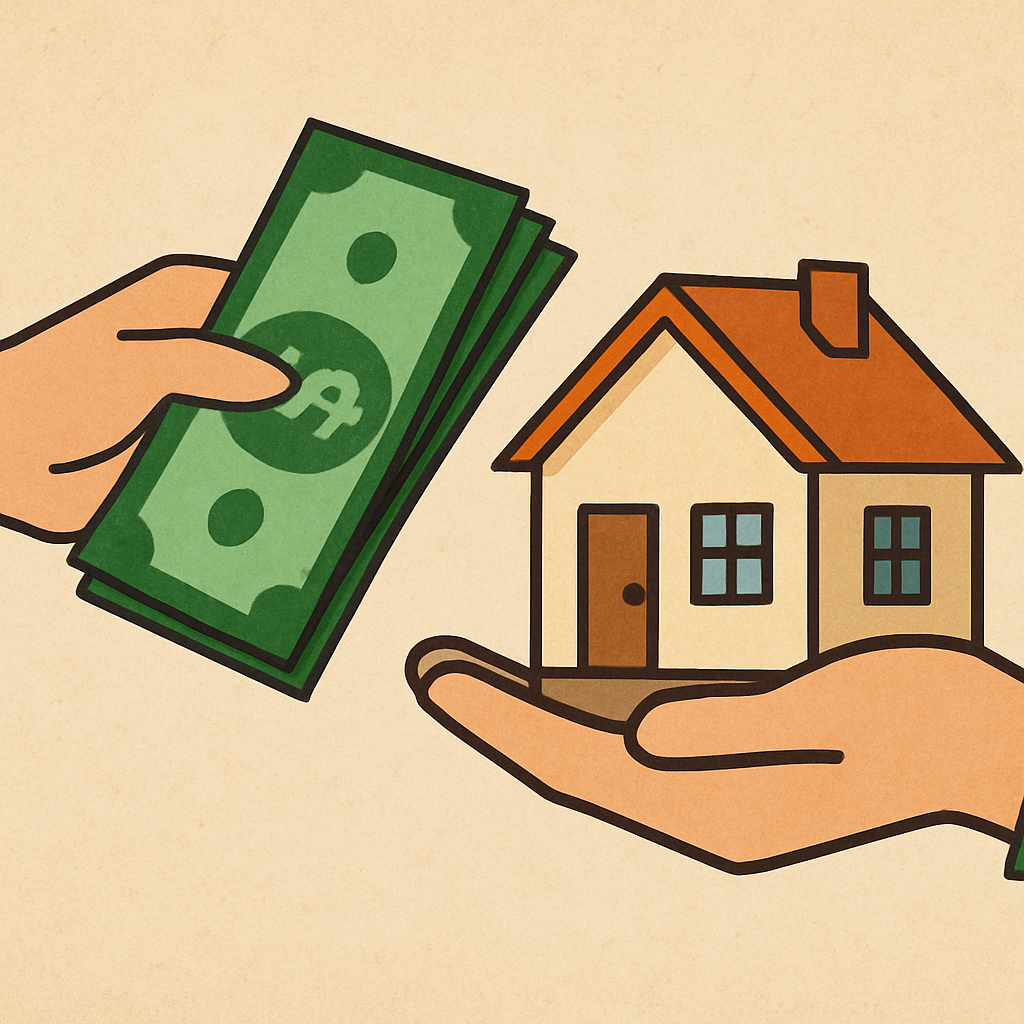
The simplicity of a cash offer can provide sellers with peace of mind. With fewer obstacles, sales are more likely to close without delays.
This type of offer is especially favorable in fast-paced markets where time is crucial. Understanding how cash offers work can help buyers and sellers seize suitable opportunities in the real estate market.
Cash Buyer vs. Mortgage: Key Differences
When purchasing a home, understanding the differences between cash buyers and mortgage buyers is crucial. Cash buyers pay the entire home price upfront.
This avoids the lengthy mortgage approval process. Mortgage buyers, however, need bank approval, which can be time-consuming and unpredictable.
One of the main differences is the speed of transaction. Cash offers often close much faster. This means sellers receive their money quickly. Mortgages come with extensive paperwork and checks, which can delay the process.
Let’s look at some distinctions between cash buyers and mortgage buyers:
- Transaction Speed: Cash is faster; mortgages are slower.
- Approval Process: No approval needed for cash; mortgages require lender approval.
- Contingencies: Fewer with cash; often several with mortgages.

In terms of cost, cash buyers may save more over time. They avoid interest and certain fees tied to mortgages. Sellers often favor cash buyers due to fewer complications.
Understanding these key differences helps both buyers and sellers make informed decisions in real estate transactions.
Why Do Sellers Prefer Cash Offers?
Sellers often lean toward cash offers for several compelling reasons. One major factor is the reduced risk of transaction failure. Cash buyers are not reliant on bank approval, which can stall a sale if denied.
Cash offers simplify the sales process considerably. Fewer contingencies are typically involved, minimizing delays. This simplicity ensures a smoother, less stressful experience for sellers who prefer to wrap up transactions quickly.
Moreover, cash sales often close faster than those involving mortgages. This speed of sale is particularly appealing to sellers with urgent financial needs or those relocating.
Consider these reasons sellers prefer cash offers:
- Transaction Certainty: No mortgage approval needed.
- Quick Closing: Often completed in weeks.
- Less Paperwork: Fewer documents required.
by Michele Henderson (https://unsplash.com/@micheile)
Sellers also save on certain closing costs and fees that accompany mortgage transactions. In competitive markets, cash offers stand out as more reliable and compelling. Understanding these benefits helps sellers make informed decisions when evaluating potential offers on their property.
Benefits of Accepting a Cash Offer on a House
Accepting a cash offer presents several advantages for sellers. One of the primary benefits is the elimination of mortgage-related uncertainties. This provides peace of mind, as there is no risk of the buyer’s loan falling through.
Cash transactions often involve fewer contingencies. This reduction can lead to a faster, more straightforward closing process. Sellers enjoy a streamlined experience without the typical delays associated with mortgage approvals.
Another significant advantage is the potential for lower closing costs. With no lender fees involved, sellers may save considerable amounts. Such savings can be especially appealing when dealing with tight financial margins.
Here are some typical benefits for sellers:
- No Loan Approval Delays: Speeds up closure.
- Simplified Process: Fewer contingencies involved.
- Lower Costs: Saves on lender fees.
by Rejaul Karim (https://unsplash.com/@rejaul_creativedesign)
Additionally, cash offers frequently appeal to sellers who need to sell quickly. Whether due to relocation or financial strain, a swift sale can be crucial.
Consider these practical benefits:
- Financial Certainty: Immediate access to funds.
- Quicker Sales Timeline: Ideal for urgent situations.
Understanding these advantages helps sellers navigate the decision-making process effectively. By accepting a cash offer, sellers position themselves for a potentially smoother, more cost-effective transaction.
Pros and Cons of a Cash Offer on a House
Considering a cash offer? It’s important to weigh both the pros and cons. Cash transactions can offer significant advantages but also carry risks.
Pros
One major benefit of cash offers is the speed of closing. Without waiting for loan approvals, deals may be completed in as little as a week. This speedy process is a relief for sellers needing quick results.
Cash offers also reduce stress. There are fewer steps and less paperwork involved. Sellers appreciate the simplicity this brings, which avoids the complexity of mortgage applications.
Here’s a quick list of pros:
- Faster Closing: Often within a few weeks.
- Less Stressful: Fewer hurdles in the transaction.
by Kelly Sikkema (https://unsplash.com/@kellysikkema)
Cons
On the downside, cash buyers often expect a discount. Sellers might receive lower offers than mortgage buyers. This potential loss might not align with every seller’s financial goals.
Additionally, the limited pool of cash home buyers can present challenges. Less competition might mean fewer offers to choose from, reducing bargaining power.
Consider these cons:
- Potential Lower Offers: Cash buyers may bargain for less.
- Limited Buyer Pool: Fewer offers may appear.
Balancing these factors is essential. Sellers should carefully evaluate both benefits and drawbacks to determine if a cash offer suits their needs. Ultimately, it comes down to weighing priorities—speed and simplicity versus the potential for higher profits and more buyer options.
How Cash Offers Speed Up the Home Sale Process
Cash offers significantly streamline the home sale process. Without lender involvement, several steps typically required in financed sales can be eliminated. This means fewer potential obstacles can delay a sale.
The absence of mortgage underwriting is a major time-saver. Traditional sales involve detailed loan applications and approvals, which can take weeks. Cash buyers bypass this process, allowing for a quicker transition from offer to closing.
Additionally, cash transactions often mean reduced paperwork. Without needing mortgage documents, the entire transaction is simplified. This leads to faster negotiations and a more efficient closing process. Sellers can avoid prolonged waiting periods and quickly finalize the sale.
Key factors that expedite the process:
- No Loan Approvals: Bypasses extensive lender requirements.
- Less Paperwork: Reduces transaction complexity.
by Alexander Lunyov (https://unsplash.com/@sunify)
Overall, cash offers provide a straightforward path to closing and are beneficial for sellers seeking a swift transaction.
Are Cash Offers Always Better for Sellers?
While cash offers boast many benefits, they’re not universally ideal. Certain circumstances can deter sellers from accepting cash offers. Understanding these nuances helps sellers make the right choice.
One primary drawback is the risk of a lower sale price. Cash buyers often seek discounts, valuing the ability to close quickly. This could result in sellers receiving offers below their desired price.
Additionally, in some markets, competitive mortgage offers can be just as reliable as cash. Sellers might encounter committed buyers with pre-approved loans ready to match cash offers.
Factors that may influence the decision include:
- Sale Price Potential: Cash may result in a lower price.
- Market Competition: Strong mortgage offers can compete.
- Seller Priorities: Timing versus maximum proceeds.
Ultimately, assessing each offer’s specifics, including buyer reliability and financial capacity, is crucial for determining if a cash offer is preferable.
Cash Offers in Competitive Real Estate Markets
In competitive real estate markets, cash offers stand out. They often capture attention and lead to faster closings. In hot markets, sellers may prioritize these offers for various reasons.
Cash buyers can eliminate financing delays. They reduce the uncertainty associated with mortgage approvals. This assurance makes cash offers very appealing amidst bidding wars.
For buyers and sellers, knowing their market dynamics is crucial:
- Speed: Cash avoids potential financing roadblocks.
- Certainty: Fewer contingencies involve less risk.
- Appeal: Stands out in multiple-offer situations.
by Lotus Design N Print (https://unsplash.com/@lotusdnp)
The instant appeal of cash offers can tip the scales. Still, thorough consideration of each unique market condition remains essential for both parties. This ensures informed decisions aligned with their goals.
When Is a Cash Offer Not the Best Choice?
Cash offers are not always the perfect solution. Certain situations may render a mortgage offer more beneficial for sellers. Understanding these scenarios is vital for an informed decision.
If offers are below market value, a mortgage could yield higher returns. Some sellers prioritize a higher sale price over a faster closing. Financial considerations and timing each play a crucial role.
Evaluating circumstances helps in choosing the right path:
- Market Value: May be lower with cash.
- Timeframe: Sellers may not need quick closures.
- Future Value: Long-term benefits might outweigh immediate gains.
by Clay Elliot (https://unsplash.com/@ibidsy)
For sellers, assessing their priorities and circumstances is pivotal. Each sale holds unique factors that influence the best choice. Balancing immediate needs with long-term goals supports optimal decisions.
Should I Accept a Cash Offer for My House?
Deciding whether to accept a cash offer involves weighing various factors. Cash offers provide swift transactions and fewer obstacles. However, they sometimes come with a lower price.
Consider what matters most: speed or maximizing profit. Quick transactions might suit sellers facing foreclosure. Those with time on their side might prioritize a higher sale price.
It’s important to ask yourself the following questions:
- Financial Goals: Do I prioritize speed over price?
- Current Market: Is the offered cash price competitive?
- Personal Timeline: How soon do I need to move?
by Jakub Żerdzicki (https://unsplash.com/@jakubzerdzicki)
Understanding your unique situation is crucial for making informed decisions. Review all aspects, including timing, finances, and market conditions. With balanced insight, you can choose the path that best suits your needs.
Tips for Buyers: Making a Strong Cash Offer
When making a cash offer, clarity and strength are key. Presenting yourself as a serious buyer can make all the difference. Strong offers may give you a competitive edge over other bidders.
To craft a compelling cash offer, consider these tips:
- Proof of Funds: Provide documentation that verifies your financial capability.
- Flexibility: Be open to the seller’s preferred closing timeline.
- Simplicity: Minimize contingencies to streamline the process.
by Fotógrafo Samuel Cruz (https://unsplash.com/@fotografosamuelcruz)
A well-crafted cash offer can stand out in a crowded market. Showing readiness and flexibility can appeal to sellers. By following these guidelines, you improve your chances of securing the home you desire.
Tips for Sellers: Evaluating Cash vs. Mortgage Offers
As a seller, deciding between cash and mortgage offers can be challenging. Knowing the pros and cons helps make an informed decision.
When evaluating offers, consider the following:
- Closing Speed: Cash offers usually close faster than mortgage offers.
- Certainty: Cash deals are less likely to fall through due to financing issues.
- Negotiation Leverage: Cash buyers may request fewer repairs or concessions.
by Julia Rodriguez (https://unsplash.com/@julesrodr)
Considering these factors can guide you toward the right choice. A cash offer could offer peace of mind and speed. However, each offer should be weighed on its overall merits and alignment with your priorities.
Frequently Asked Questions About Cash Offers
Many sellers and buyers have questions about cash offers. Here are some common queries to consider.
- Do cash buyers need an appraisal? Typically not, but it can still be useful.
- Are cash offers always higher? Not necessarily; cash offers may be lower due to the benefits of a fast closing.
- Is a cash sale quicker? Yes, it often closes faster because it bypasses lender processes.
Understanding these aspects can clarify the cash offer process and help you make informed decisions in your real estate transaction.
Conclusion: Is a Cash Offer on a House Better?
Deciding if a cash offer is better depends on individual circumstances. Cash offers bring speed and fewer complications, which many sellers find appealing. Buyers, too, benefit by avoiding long mortgage processes.
However, cash might not always be the top choice if a higher price is vital to the seller. Weighing the pros and cons will help determine the best fit for your needs. Ultimately, a thorough evaluation ensures you make a decision aligned with your financial goals and personal preferences.