

House Sold As-Is: What It Means, Pros & Cons, and How to Sell in As-Is Condition
You’re scrolling through listings and see it: a charming house at a great price, with three words that give you pause: “Sold As-Is.” Does this signal a hidden opportunity or a deal to avoid?
The term simply means the owner is selling the home in its current state and will not pay for any repairs. If an inspection uncovers problems, the buyer is responsible for them after the sale closes.
But this doesn’t automatically mean it’s a problem property. Understanding what an as-is sale truly means is crucial for protecting yourself financially. This guide explains your rights and the seller’s duties, helping you separate a smart deal from a money pit.
What ‘As-Is’ Actually Means
What to Know About a House Sold As-Is
When a house is sold in “as-is” condition, the seller is communicating one key message: they will not make any repairs or offer credits for issues discovered during the buying process. What you see is what you get.
If a home inspection reveals a leaky roof, an outdated electrical panel, or a furnace on its last legs, the seller is under no obligation to fix it.
This arrangement is often reflected in the price, but it’s a firm stance that shifts the full financial responsibility for all fixes, big and small, onto the buyer after the sale closes.
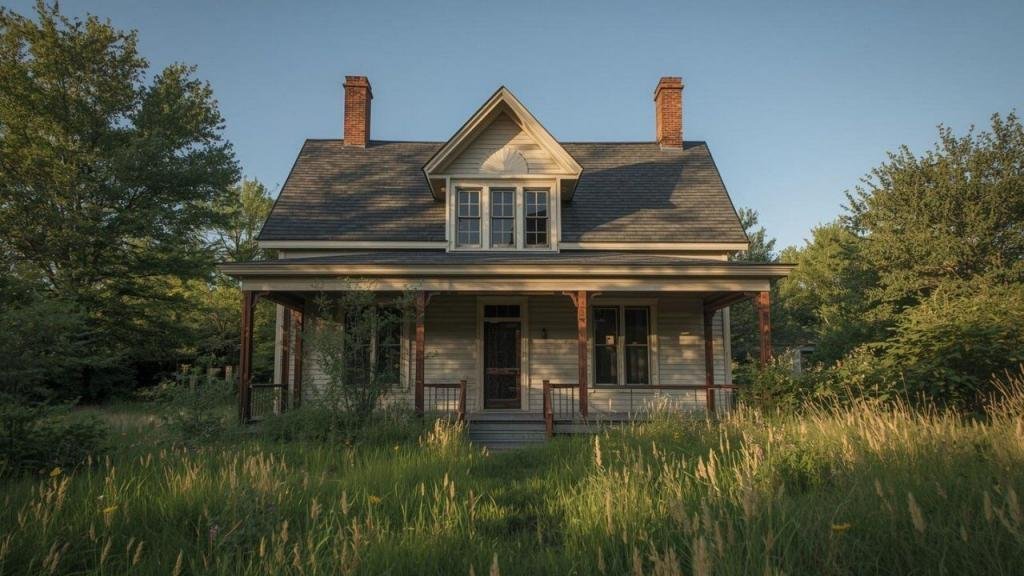
‘As-Is’ vs. Disclosure: What Sellers Must Reveal
While sellers are off the hook for repairs, they are not free to conceal major problems. Most state laws require sellers to inform potential buyers of any known material defects or issues that could significantly impact the property’s value or pose a safety risk. This is handled through a formal Seller’s Disclosure document.
Think of a cracked foundation or known termite damage, not a squeaky floorboard. The ‘as-is’ clause says, “I know the roof is 20 years old and I won’t replace it.”
An illegal non-disclosure is knowing the roof leaks and intentionally failing to mention it. However, disclosures only cover issues the seller is aware of, making your own due diligence critical.
The Home Inspection: Your Most Important Shield
A professional home inspection is non-negotiable for an as-is property. It’s your single most important tool for uncovering the home’s true condition and avoiding a financial disaster.
The purpose of the inspection report changes in an as-is deal; you’re not creating a repair list for the seller, but a budget for yourself.
- In a Standard Sale, the report helps you create a list of repair requests for the seller.
- In an As-Is Sale: The report helps you create a cost-of-repairs list for your budget.
An “inspection contingency” in your purchase offer is your ultimate safety net. This clause gives you a set period to conduct inspections and allows you to walk away from the deal with your deposit if the findings are too severe. It is your legal and financial exit strategy from a potential money pit.

Why Would a Seller Choose ‘As-Is’?
Selling a house as-is doesn’t always mean it’s a total wreck. Often, the decision has less to do with hiding major defects and more to do with the seller’s personal circumstances, prioritizing speed and simplicity.
Common reasons for an as-is sale include:
- Inherited Property: Heirs may live out of state and lack the time or desire to manage repairs on a home they never lived in.
- Financial Need: The seller might not have the cash on hand to pay for a new roof or furnace before selling.
- Landlord Selling: An owner may want to sell a rental property without displacing tenants or coordinating major work.
- A Faster Closing: Some sellers simply want a quick, clean transaction without back-and-forth negotiations over repairs.
Understanding the story behind the sale provides crucial context and helps you better assess the real level of risk.
Weighing the Risks and Rewards
So, should you buy a house as is? The decision hinges on a clear trade-off. Sellers typically accept a lower price in exchange for a faster, simpler transaction with no repair negotiations.
As the buyer, you get a potential discount but agree to take on the property and all its existing issues, both seen and unseen.
The allure of that lower price can be tempting, but the math must make sense. The central question is whether the discount outweighs the future cost of repairs.
A house listed $20,000 below market value isn’t a bargain if you later discover it needs a $30,000 roof replacement. “As-is” simply shifts the responsibility of uncovering potential problems entirely to you.
A Practical Checklist for Buyers and Sellers
Approaching an ‘as-is’ property with confidence requires a clear game plan. Whether you’re buying or selling, use this checklist for a smart decision.
- For Buyers:
- Get a professional inspection to learn the home’s true condition.
- Obtain repair quotes to understand the full financial scope.
- Decide if the total investment aligns with the property’s value.
- For Sellers:
- Price the home fairly to reflect its ‘as-is’ status.
- Disclose all known material defects honestly and in writing.
- Be prepared for some buyers to back out after the inspection.
An ‘as-is’ sale isn’t inherently about risk; it’s about clarity. When buyers calculate the true cost of ownership and sellers aim for a transparent sale, the deal can be a win for everyone involved.