

Your living room holds years of memories, but to a prospective buyer, it is simply a product on a shelf. Making the emotional transition from inhabitant to strategic seller is the vital first step when asking, ” How can we sell our house?
Industry research shows that owners who adopt this product-first mindset receive higher offers because objective viewing helps them achieve true market-ready status.
Wondering how to sell your house without overwhelming stress? You currently have three proven paths to a successful closing: listing your home on the MLS with an agent, finding a direct buyer to sell your home quickly for cash, or representing yourself in a For Sale By Owner (FSBO) transaction.
The 48-Hour Prep: High-ROI Repairs That Capture Buyer Interest
Understanding the Market: How Can We Sell Our House Effectively?
Transitioning to preparing your home for the market means understanding the difference between perceived value and actual cost. Buyers don’t see a simple $50 DIY fix; they see a neglected property and worry about hidden disasters.
To instantly boost your home’s perceived value, apply the 50% rule to all flat surfaces. Remove half the items on your kitchen counters, tables, and shelves.
This quick decluttering for open houses creates an immediate sense of breathing room and spaciousness.
Tackling visible flaws is crucial when figuring out how to sell a house that needs repairs on a strict budget. Focus on actionable home staging tips that eliminate immediate red flags. Check off these high-impact, low-cost improvements first:
- Fix leaky faucets and squeaky hinges to stop buyers from fearing poor maintenance.
- Apply neutral paint colors over bright walls so families can easily envision their own furniture.
- Install lighting upgrades with bright, matching bulbs to make tight spaces feel expansive.
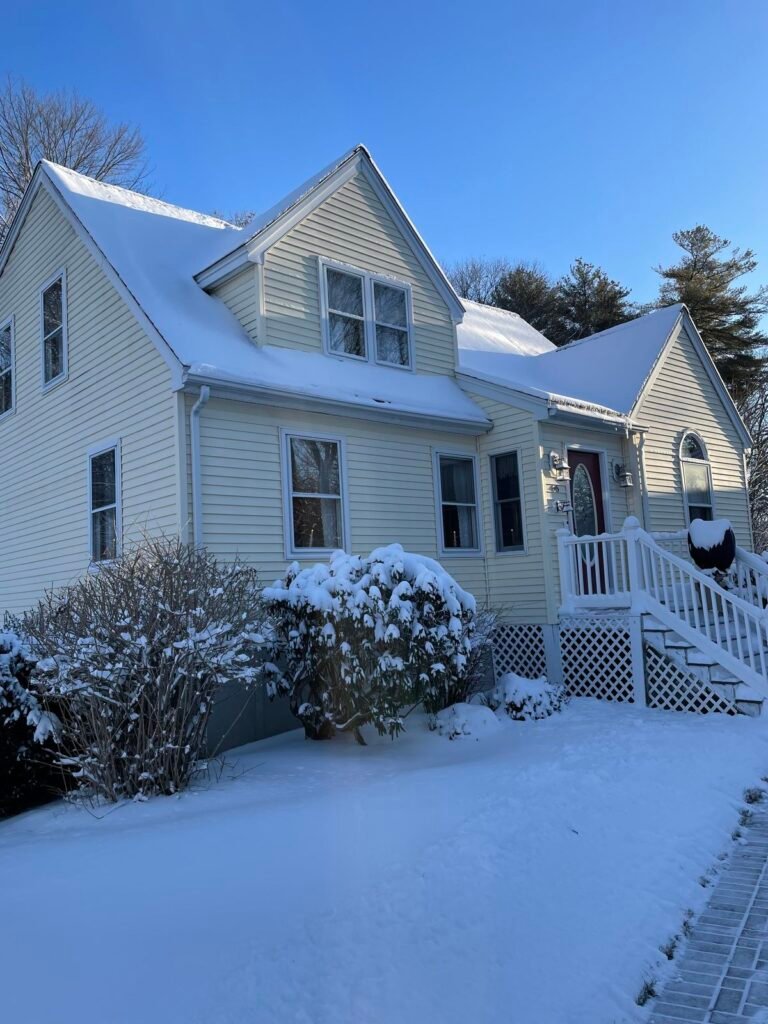
Finally, remember that buyers judge exteriors first, whether from the sidewalk or from professional online photography.
Maximize curb appeal with three easy tricks: lay fresh mulch, power-wash the walkway, and paint the front door a welcoming shade. With the house shining, you are ready to determine its true value.
The Goldilocks Pricing Strategy: Finding Fair Market Value Without Leaving Money on the Table
Your home’s price isn’t based on your memories or your future financial needs. Truly determining fair market value requires looking at ‘Comps,’ or comparables—recently sold homes in your exact neighborhood with similar layouts and conditions.
Think of Comps as your financial reality check; they show exactly what local buyers are willing to spend right now, stripping away the emotional weight of the property.
Aiming too high immediately throws you into the ‘Stagnation Trap.’ Even if you choose the absolute best time of year to list a property, an overpriced home sits empty while buyers flock to reasonably priced alternatives. Eventually, your listing grows stale, forcing inevitable price cuts.
These reductions signal desperation to buyers, who will then submit lowball offers, often leaving you with less net profit than you would have if you had priced it correctly from day one.
Setting the right initial number also prevents a frustrating ‘Appraisal Gap,’ which occurs when an eager buyer offers top dollar but their bank refuses to finance that inflated amount.
When calculating the cost of selling a house, remember that failed deals mean paying extra months of mortgage payments and taxes. If navigating these traditional financing hurdles feels overwhelming, there are alternative cash-based routes.
Fast Cash vs. Top Dollar: Evaluating ‘We Buy Houses‘ Companies and Cash Offers
Traditional home sales mean enduring open houses, funding repairs, and waiting for loan approvals. If your home needs major work, you might wonder who will buy the house for cash.
Real estate investors offer an alternative: the ‘as-is’ sale. This means the buyer accepts the property exactly how it stands, eliminating your need to fix a single leaky faucet.
When evaluating companies that buy houses for cash, remember the financial trade-off. Investors want a fast transaction and expect a ‘Cash Buyer Discount.’ Focus on your ‘Net Proceeds’—the actual money landing in your pocket. A cash offer is lower, but skips agent commissions and costly repair bills.
Figuring out how to find a cash buyer for your home requires weighing two paths:
- Traditional Listing: Maximizes the final sale price but requires upfront repairs and navigating stressful financing delays.
- Cash Offer: Delivers ultimate speed since they buy houses in any condition, but significantly reduces your total net proceeds.
Protect yourself by verifying local investor reviews to separate legitimate buyers from predatory wholesalers. If you decide the traditional route is worth the effort to secure top dollar, prepare for the legal and structural hurdles ahead.

Navigating the ‘Safety Net’: Mastering Contingencies and the Closing Process
Accepting a contract moves your home into ‘escrow,’ a neutral holding pen where funds sit while the deal finalizes.
At this stage, negotiating buyer offers means working through their legal safety nets, called contingencies. The big three hurdles are the inspection, appraisal, and financing.
If a mortgage falls through or an appraisal comes in low, these conditions allow buyers to walk away without penalty.
Protecting this transaction requires absolute honesty about the property’s history. Fulfilling real estate disclosure requirements means documenting past issues, like a patched roof or a damp basement.
Hiding known defects to guarantee a sale always backfires, exposing you to massive legal liability long after closing.
Upfront transparency prevents buyers from feeling tricked and using minor inspection flaws to demand last-minute discounts.
Crossing the finish line involves budgeting for closing costs, which typically consume 1% to 3% of the sale price.
These administrative fees cover escrow services and title transfers, directly reducing your net proceeds. Understanding these expenses prevents financial shock at the signing table.
Your Success Roadmap: The Step-by-Step Action Plan for a Final Sale
You finally have the picture for this 1,000-piece puzzle. Instead of just wondering how to sell your house fast for cash or relying solely on local buyer’s agents, follow this chronological plan:
- Mindset Shift
- High-ROI Prep
- Pricing Research
- Path Selection (Cash vs. MLS)
- Professional Listing
Determine where to sell your house locally, or master online listings to maximize reach. Your immediate first move? Pack away 50% of your kitchen counters today. This simple action creates the momentum needed to confidently claim the price you deserve.