

Cash Home Buyers in Indiana often reach out through flyers, roadside signs, or unsolicited calls promising to buy your house “as-is, all cash, with a fast close.” But when you hear offers like that, it’s natural to wonder: is it too good to be true, and how can you be sure you’re getting a fair deal?
It’s a fair question, and the answer is more nuanced than a simple yes or no. Cash Home buyers in Indiana aren’t monolithic. Some are professional investors who make lowball offers and walk away if you hesitate.
Others are legitimate buyers — sometimes even everyday people — who can close quickly and offer real value. The challenge is knowing the difference and understanding what “fair” actually means in this context.
This post breaks down everything you need to know about how cash home buyers operate in Indiana, how their offers compare to the open market, and how to decide whether a cash offer is worth it for your specific situation.
What Does “Fair Price” Actually Mean in a Home Sale?
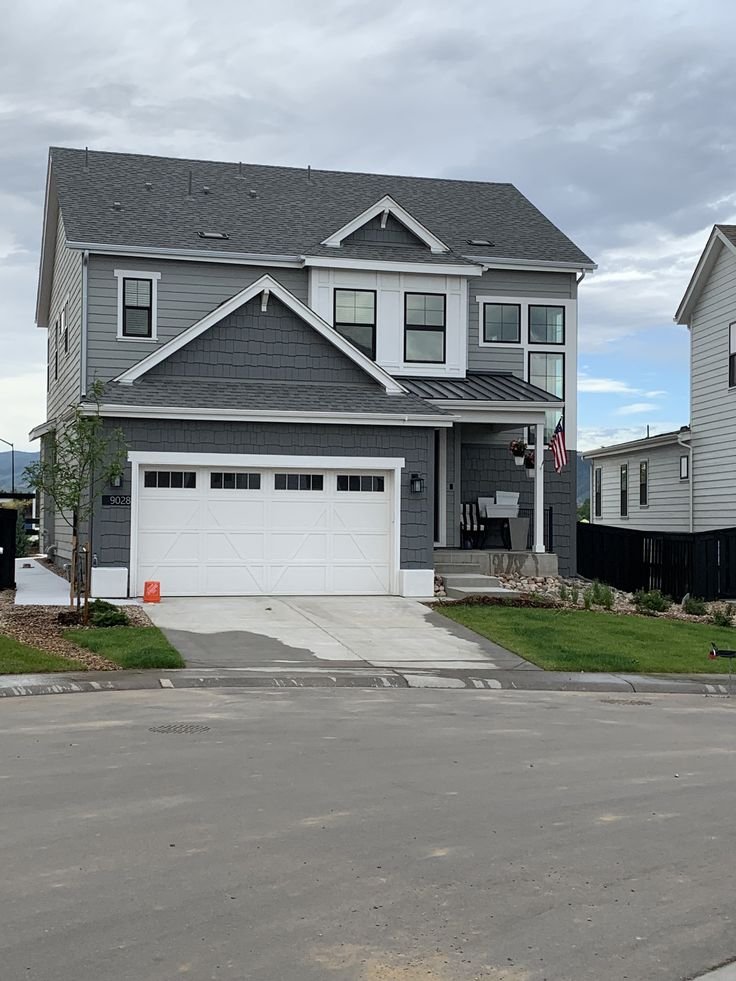
Before comparing cash offers to traditional sales, it’s worth defining what fair market value really means.
Fair market value (FMV) is the price a willing buyer and a willing seller agree upon when neither is under pressure to complete the transaction. It’s what your home could sell for on the open market, given reasonable exposure, proper marketing, and the right buyer walking through the door.
In Indiana, fair market value is influenced by:
- Location — A home in Carmel or Fishers will command a very different price than a similar home in Gary or Muncie.
- Condition — Updated kitchens, newer roofs, and move-in-ready properties attract top-dollar buyers.
- Comparable sales (comps) — What have similar homes in your neighborhood sold for in the last 90 days?
- Market timing — Indiana’s real estate market fluctuates seasonally and in response to interest rate changes.
The gap between a cash offer and your home’s fair market value is the central question. That gap can be anywhere from 5% to 30%, depending on who’s making the offer and why.
How Cash Home Buyers in Indiana Determine Their Offers
To understand whether a cash offer is fair, you need to understand how cash buyers calculate what they’re willing to pay.
Most professional cash buyers and real estate investors use a formula often referred to as the 70% rule:
Maximum Offer = (After Repair Value × 70%) − Estimated Repair Costs
Let’s say your home in Indianapolis has an after-repair value (ARV) of $250,000 and needs $30,000 in repairs. Using this formula:
($250,000 × 0.70) − $30,000 = $145,000
That’s a significant discount from what the home would sell for fully renovated. But from the investor’s perspective, it’s necessary — they need to account for holding costs, renovation expenses, transaction fees, and profit margin.
Now, not every cash buyer follows this formula rigidly. iBuyers (instant buyers, typically tech-driven companies) often offer closer to market value — sometimes 85–95% of FMV — but they may charge service fees that eat into that difference.
Smaller local investors may go lower. Individual cash buyers who simply don’t need a mortgage may offer full market value or close to it.
The key takeaway: the type of cash buyer matters enormously.
The Real Cost of a Traditional Home Sale in Indiana

When evaluating whether a cash offer is fair, many homeowners make the mistake of comparing it directly to their Zillow estimate or a neighbor’s sale price. But a traditional home sale comes with real costs that quietly reduce your net proceeds.
Here’s a rough breakdown of what you’ll typically spend when selling through a traditional listing in Indiana:
- Agent commissions: 5–6% of sale price (split between buyer’s and seller’s agents)
- Closing costs: 1–3% of the sale price
- Repairs and staging: $3,000–$15,000+ depending on condition
- Carrying costs: Mortgage, taxes, insurance, and utilities during the listing period (often 30–90 days)
- Buyer concessions: Buyers routinely ask for 1–2% back after inspection
On a $250,000 home, these costs can easily total $25,000–$40,000 before you’ve moved a single box.
A cash buyer offering $205,000 with no repairs, no commissions, and a 10-day close may actually put more money in your pocket than a traditional buyer at $250,000 once all costs are factored in.
This is why a simple price-to-price cash buyer comparison doesn’t tell the whole story. You need to look at net proceeds, not gross sale price.
Do Cash Buyers Pay Fair Market Value in Indiana?
Let’s be direct: most professional cash buyers and real estate investors in Indiana do not offer full fair market value. That’s not because they’re trying to cheat you — it’s the nature of the business model. They’re taking on risk, handling all repairs, and need to profit from the transaction.
But “fair” is a relative term.
A cash offer can be considered fair if:
- It reflects the home’s true condition and location accurately
- The discount accounts for real carrying, repair, and resale costs
- You receive it quickly, without contingencies, and with the certainty of closing
- It solves a problem — foreclosure, divorce, inherited property, relocation — that the open market couldn’t solve as cleanly
According to data from the National Association of Realtors and various real estate analytics platforms, cash sales in the Midwest tend to close at 90–95% of list price when the seller is not distressed, and 70–85% of estimated market value when speed and certainty are the seller’s primary motivation.
In Indiana specifically, markets like Indianapolis, Fort Wayne, and South Bend have seen growing cash-buyer activity, with investor purchases making up a notable share of home sales in neighborhoods with older housing stock or below-median prices.
When a Cash Offer Is Worth It in Indiana
There’s no universal answer, but a cash offer is often the smarter choice in these situations:
1. Your home needs significant repairs. If your home requires a new roof, foundation work, or outdated electrical updates, listing on the MLS becomes complicated. Buyers who need financing can’t always purchase homes in poor condition, and the repair costs you’d incur may not be recouped in a higher sale price.
2. You’re facing foreclosure or financial hardship. Time is critical in these situations. A 10–14-day close from a cash buyer could protect your credit, prevent a public foreclosure record, and put cash in your hands immediately.
3. You’ve inherited a property you don’t want to manage. Inherited homes often come with deferred maintenance, emotional complexity, and carrying costs you didn’t plan for. A fast, clean cash sale solves multiple problems at once.
4. You’re relocating quickly. Job transfers don’t wait for the housing market. A guaranteed cash close lets you move on your timeline without the anxiety of a pending sale falling through due to financing.
5. You’ve had your home on the market and it isn’t selling. If a home sits unsold, the market is sending a signal. A cash buyer might be your most realistic path to moving on.
When You Should Skip the Cash Buyer and List Traditionally
A cash offer is not always the right move. If any of these apply to you, listing with a real estate agent may deliver more money meaningfully:
- Your home is in excellent condition and move-in ready
- You’re in a hot market where homes are receiving multiple offers
- You have the time and financial cushion to wait 60–90 days for the right buyer
- You’re not under any pressure — emotional, financial, or logistical
In seller-friendly Indiana markets — particularly Indianapolis suburbs like Zionsville, Noblesville, and Westfield — well-priced, updated homes regularly sell at or above asking price within days. In these cases, accepting a cash offer below market value could cost you tens of thousands of dollars unnecessarily.
How to Evaluate a Cash Offer: A Practical Checklist
If you receive a cash offer on your Indiana home, don’t accept or reject it on gut instinct. Run it through this checklist:
Step 1: Know your home’s fair market value. Get a Comparative Market Analysis (CMA) from a local real estate agent — most will do this for free. This gives you a reliable baseline, not a Zillow estimate.
Step 2: Calculate your net proceeds from a traditional sale. Subtract agent commissions (5–6%), estimated repairs, staging, closing costs, and carrying costs from the projected sale price. This is your real comparison number.
Step 3: Compare net proceeds. Now compare your traditional sale net proceeds to the cash offer. How close are they? If the cash offer gets you within 5–10% of your traditional net — and saves you weeks or months of stress — it may be well worth it.
Step 4: Verify the buyer’s credibility. Ask for proof of funds. Check online reviews. Look them up on the Better Business Bureau. Legitimate cash buyers will welcome scrutiny; scammers won’t.
Step 5: Read the contract carefully. Watch for clauses that allow the buyer to reduce their offer after inspection (“subject to walkthrough” language), or excessive contingency periods that aren’t truly “cash” terms.
Step 6: Get multiple offers. You’re not obligated to accept the first offer you receive. Reaching out to 2–3 cash buyers in Indiana gives you real market data and negotiating leverage.
Red Flags to Watch for with Cash Home Buyers in Indiana
Not every cash offer comes from a legitimate, ethical buyer. Watch for these warning signs:
- Pressure tactics — Any buyer who says you must sign today is not acting in good faith.
- No proof of funds — A real cash buyer can show a bank statement or letter of financial standing immediately.
- Vague contracts — If the purchase agreement is unclear, have a real estate attorney review it. In Indiana, this typically costs $150–$300 and is well worth it.
- Last-minute price reductions — Some buyers bait sellers with a high offer and then reduce it just before closing, betting the seller is too committed to walk away.
- No local presence — Buyers who can’t meet you, don’t know the neighborhood, or operate entirely through generic email addresses warrant extra scrutiny.
The Bottom Line: Fair Cash Offer Indiana Sellers Can Actually Trust
Cash home buyers in Indiana can offer a fair deal — but “fair” depends on your circumstances, your timeline, and how you define value.
If you’re selling a distressed property, need speed, or want to avoid the uncertainty of the traditional market, a cash offer that’s 10–15% below market value may be entirely fair — and financially smart. If your home is in great shape and the market is on your side, that same discount would be an unnecessary sacrifice.
The most important thing you can do is get informed before you decide. Know your home’s true market value. Understand your selling costs. Get multiple offers. And don’t let anyone rush you into a decision you haven’t fully thought through.
Indiana homeowners who take the time to compare their options almost always end up in a better position — whether they sell to a cash buyer or list on the open market.
Thinking about selling your Indiana home? Whether you’re exploring a cash offer or considering listing it traditionally, the best first step is to understand what your home is actually worth. Talk to a local real estate professional, get your numbers straight, and make the decision that’s right for you — not the one someone else is pressuring you toward.