

Cash buyer in Indiana options are becoming increasingly popular for homeowners who want to sell quickly without the hassle of repairs, agent fees, or long waiting periods.
But before you accept an offer, it’s important to understand exactly what fees you might pay and what the true cost of convenience really is.
But “fewer fees” doesn’t always mean “no fees.” Before you sign anything, you deserve a clear-eyed look at what selling to a cash buyer in Indiana actually costs — and what you save compared to going the conventional route.
Why People Choose Cash Buyers in the First Place
Cash buyers — whether they’re real estate investors, iBuyers, or “we buy houses” companies — appeal to sellers for a handful of reasons: speed (closings can happen in as little as seven to fourteen days), certainty (no mortgage contingencies falling through at the last minute), and convenience (you can often sell as-is without making a single repair).
Indiana’s housing market has its own rhythms. Whether you’re in Indianapolis, Fort Wayne, South Bend, or a smaller rural county, life events like divorce, job relocation, inheritance, or financial hardship don’t pause for the market to be favorable.
Cash buyers fill that gap — but understanding their fee structure helps you negotiate smarter and avoid surprises.
The Big Picture: What You Actually Pay (and What You Don’t)
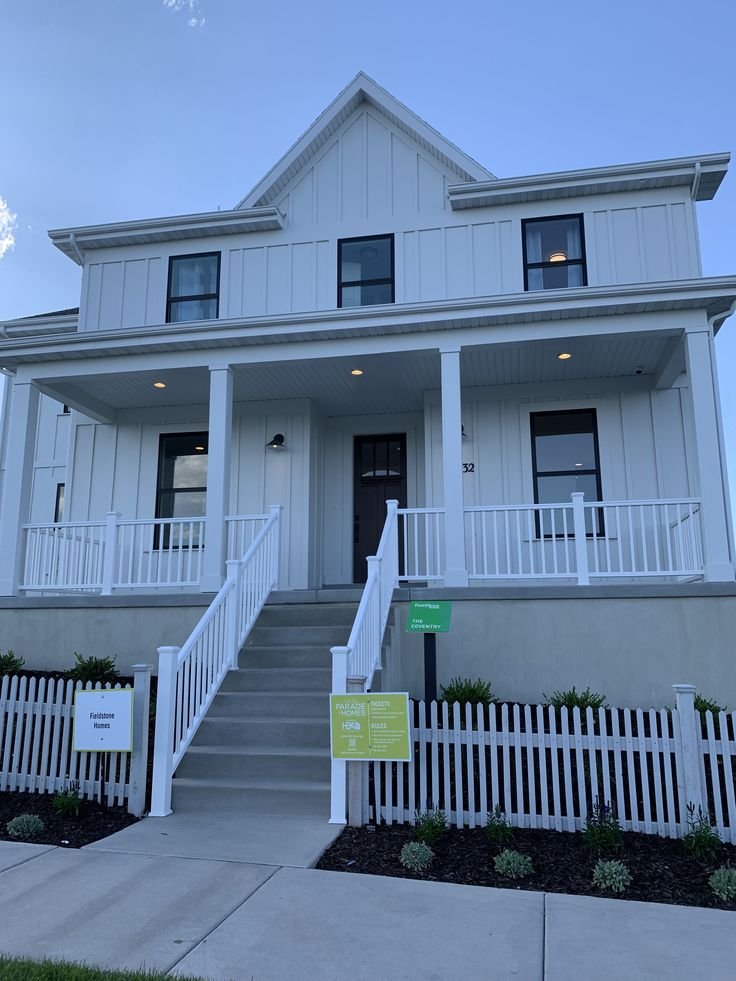
Let’s start with the good news. When you sell to a cash buyer in Indiana, many of the costs that eat into a traditional sale simply disappear.
You typically won’t pay:
- Agent commissions — In a traditional sale, you’d pay 5% to 6% of the sale price split between your agent and the buyer’s agent. On a $200,000 home, that’s $10,000 to $12,000 gone before anything else.
- Repair costs — Cash buyers purchase homes as-is in most cases. That leaky roof, the dated kitchen, the foundation crack — their problem, not yours.
- Staging and photography fees — No showings, no professional photos, no open houses.
- Carrying costs during a long listing period — No months of mortgage payments, utilities, and insurance while waiting for an offer.
Now for the part sellers sometimes don’t expect: even cash transactions in Indiana come with some costs. Here’s what they are.
Closing Costs You’ll Still Pay as the Seller
1. Indiana Transfer Tax (Conveyance Fee)
Indiana charges a conveyance fee — essentially a real estate transfer tax — when a property changes hands. The state rate is $0.50 per $500 of the sale price (or fraction thereof). That works out to roughly 0.1% of the sale price.
On a $180,000 cash sale, that’s about $180. Not a deal-breaker, but it’s a real line item on your closing disclosure.
Some Indiana counties add their own county conveyance fees on top of the state rate, so your total could be slightly higher depending on where your property sits.
Marion County, Lake County, and St. Joseph County each have their own local schedules — ask your title company to spell out the exact amount for your specific address.
2. Title Insurance and Title Search
Even in a cash sale, a title search is almost always required. The cash buyer wants to be certain the property has a clean chain of title — no old liens, unpaid taxes, or claims from previous owners lurking in the county records.
As the seller in Indiana, you’re typically responsible for the owner’s title insurance policy. This protects the buyer against any title defects discovered after closing. Costs vary by company, but you can generally expect to pay between $500 and $1,500 depending on the sale price of the home.
Some cash buyers — especially investors buying at a deep discount — cover the title insurance themselves as a negotiating point. This is worth asking about directly when you receive an offer.
3. Title Company or Closing Attorney Fees
Indiana doesn’t legally require an attorney to be present at closing, but most transactions run through a title company that handles the closing. The seller’s portion of title/closing fees typically runs $200 to $500.
In some cash buyer transactions, the buyer picks up these fees entirely as part of their pitch — “we pay all closing costs” is a common marketing line. Read the offer carefully. If a company says they cover closing costs, confirm whether that includes the conveyance fee, title insurance, and any outstanding liens — or just the bare minimum.
4. Outstanding Liens, Judgments, and Back Taxes
Here’s where sellers sometimes get caught off guard. If you have unpaid property taxes, a mechanics lien from a contractor, a HOA lien, or a judgment lien against your property, those debts don’t disappear because you’re selling to a cash buyer. They have to be paid at or before closing — typically right out of your sale proceeds.
Indiana property taxes are paid in arrears, which means at closing, you’ll usually owe a prorated portion of the current year’s taxes. Your title company will calculate this and it’ll show up as a credit to the buyer on the settlement statement.
If you’re significantly behind on property taxes — a situation some distressed sellers face — the cash buyer may still close, but that tax debt will be satisfied from your proceeds first. Make sure you know what you owe the county before you accept any offer.
5. HOA Transfer Fees and Prorations
If your Indiana home is part of a homeowners association, expect a few line items at closing:
- HOA transfer fee — A one-time fee charged by the HOA to update their records with the new owner. This can range from $100 to $500 or more, depending on your association.
- Prorated HOA dues — You’ll owe dues up through the date of closing.
- Resale certificate or disclosure documents — Some HOAs charge for producing the required paperwork. Costs vary widely.
Ask your HOA management company for a payoff and transfer quote as soon as you have a signed contract. Surprises here can slow down even a fast cash closing.
6. Mortgage Payoff
This isn’t a “fee” in the traditional sense, but it is a number you need to nail down early. If you still have a mortgage on the property, your lender will charge a payoff amount that includes:
- Your remaining principal balance
- Accrued interest through the payoff date
- Possibly a prepayment penalty (less common today, but check your loan documents)
- A wire or processing fee to release the lien (usually $20 to $50)
Request a formal payoff statement from your lender as soon as you’re in serious negotiations. The amount changes daily as interest accrues, so your title company will get an updated figure right before closing.
The Hidden Cost Nobody Talks About: The Offer Discount
This is arguably the most significant “cost” of selling to a cash buyer in Indiana — and it’s not a fee at all. It’s the gap between what a cash buyer offers and what your home might fetch on the open market.
Cash buyers — particularly investors and “we buy houses” companies — typically offer 65% to 80% of a home’s after-repair value (ARV). The lower end of that range is for homes that need substantial work; the higher end might apply to move-in-ready properties where the buyer sees a quick flip.
Let’s run real numbers. Say your Indiana home has an estimated market value of $220,000 in its current condition, and it would be worth $250,000 fully updated.
- A cash investor might offer 75% of ARV: $187,500
- A traditional sale at full market value might net you $220,000 minus 6% in commissions ($13,200), minus $5,000 in closing costs, minus $8,000 in repairs to get it market-ready: $193,800
In this example, the “convenience” costs about $6,000. For many sellers, that’s a reasonable trade. For others, the speed and certainty are worth far more than that. For still others, the spread is much larger and they’d be better served listing traditionally.
The point: the offer discount is where cash buyers make their margin, not necessarily in the fees. Understanding that upfront lets you compare offers with clear eyes.
What Reputable Cash Buyers in Indiana Will and Won’t Charge

A legitimate cash buyer — whether a local investor or a national iBuyer operating in Indiana — will be transparent about the numbers. Here’s what to watch for:
Green flags:
- Provides a written offer with a clear net proceeds breakdown
- Uses a licensed title company or attorney to handle closing
- Doesn’t charge upfront fees or inspection fees before making an offer
- Allows you reasonable time to review the contract (even if they want a quick close)
Red flags:
- Asks for any money upfront before closing
- Pressures you to sign without reviewing the settlement statement
- Vague about who is paying which closing costs
- Doesn’t use a title company — insists on closing with just an attorney or “at their office”
Indiana’s real estate laws provide some seller protections, but they work best when you use licensed professionals and review all documents carefully.
A Simple Side-by-Side Cost Comparison
| Cost | Traditional Sale | Cash Buyer Sale |
|---|---|---|
| Agent commissions | 5–6% of sale price | $0 |
| Repairs & staging | $3,000–$15,000+ | $0 |
| Closing costs (seller) | $1,000–$3,000 | $300–$1,500 |
| Indiana conveyance fee | ~0.1% | ~0.1% |
| Time on market | 30–90+ days | 7–21 days |
| Offer vs. market value | ~95–100% | ~65–80% |
The math looks different for every seller. A homeowner with a move-in-ready property in a hot Indianapolis suburb might leave significant money on the table with a cash sale. A seller in a rural Indiana county dealing with a probate property full of deferred maintenance might actually net more going the cash route — simply because the traditional path would require time and capital they don’t have.
How to Protect Yourself When Selling for Cash in Indiana
A few practical steps before you commit:
Get multiple offers. Don’t accept the first cash offer you receive. Even in a niche market, getting two or three competing offers gives you real data on what buyers think your property is worth.
Request a net proceeds sheet. Before signing, ask the buyer to provide a written estimate of exactly what you’ll walk away with after all fees, taxes, and payoff amounts. A reputable buyer will have no problem doing this.
Verify the buyer has funds. Ask for proof of funds — a bank statement or letter from a financial institution confirming they can close. No legitimate cash buyer will balk at this request.
Work with a title company you choose, not just theirs. You have the right to select your own title company in Indiana. If a buyer insists on using only their title company, that’s not necessarily a problem, but you should feel free to contact that company independently to ask questions.
Consult a real estate attorney if anything feels off. Indiana doesn’t require legal representation at closing, but a one-hour consultation with a real estate attorney is cheap protection against an expensive mistake
The Bottom Line
Selling to a cash buyer in Indiana isn’t free — but it’s rarely as expensive as a traditional sale when you factor in agent commissions, repairs, and carrying costs. The real cost is more often the spread between the cash offer and market value, not the closing fees themselves.
For the right seller in the right situation, that trade-off is completely worth it. Speed, certainty, and as-is convenience have genuine financial value — especially when life demands a fast move.
Go in knowing what to expect, get the numbers in writing, and don’t be afraid to negotiate. A good cash buyer will welcome a seller who asks smart questions.