

Many Indiana homeowners are surprised to learn that you can sell a house for cash with a mortgage still active on the property. If a cash buyer has come knocking — or you’re thinking about reaching out to one — you don’t have to wait until your loan is paid off.
When you sell a house for cash with a mortgage, the lender gets paid directly from the sale proceeds at closing, and the rest comes to you. It’s a clean, well-established process that thousands of homeowners use every year.
But like most things in real estate, the full picture is a little more nuanced than a simple yes or no — and this post gives you the honest breakdown you need before making any decisions.
Whether you’re in Indianapolis, Fort Wayne, Evansville, or a small town off I-70, the rules are the same. Understanding how it all works puts you in a far stronger position going into any negotiation.
The Short Answer: Yes, But Your Mortgage Doesn’t Just Disappear
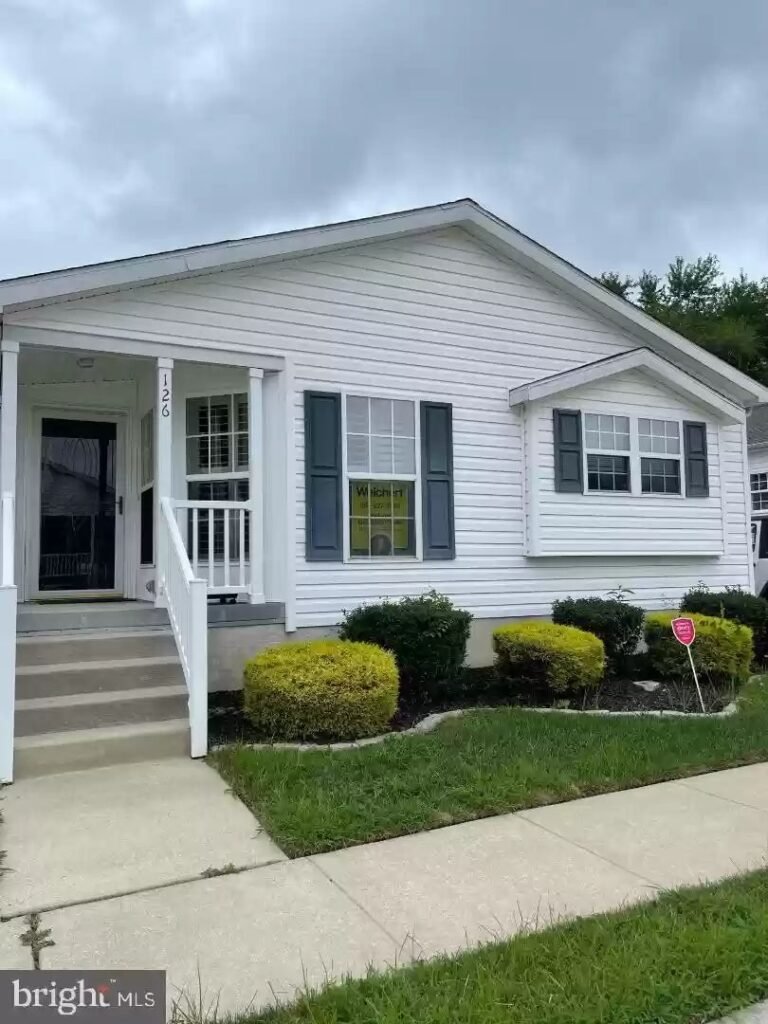
Here’s the most important thing to understand upfront: when you sell a house for cash with a mortgage, the loan doesn’t vanish — it gets paid off.
What the sale does is trigger a payoff process. When the transaction closes, the cash buyer hands over the agreed purchase price, and before you see a single dollar of profit, your lender gets paid first.
This is standard practice in every real estate transaction — cash or otherwise. Your mortgage has what’s called a lien on your property.
That lien must be satisfied (paid off) before ownership can legally transfer to the buyer. The title company or closing attorney handling the transaction coordinates this automatically.
You don’t have to chase your lender down or write them a check out of pocket — the payoff amount is pulled directly from the sale proceeds at closing.
So if you owe $120,000 on your mortgage and a cash buyer purchases your home for $175,000, here’s a simplified version of what happens:
- Sale price: $175,000
- Mortgage payoff: $120,000
- Closing costs and fees: ~$3,000–$6,000 (varies)
- Your proceeds: ~$49,000–$52,000
The math is that clean in most cases.
How the Payoff Process Works in Indiana
Indiana follows a fairly straightforward closing process, and most cash sales close faster than traditional financed deals — sometimes in as little as 7 to 14 days. Here’s what typically happens when you sell a house for cash with a mortgage in the state:
Step 1: You Accept an Offer. Once you agree to a cash buyer’s offer, you’ll sign a purchase agreement. At this point, a title company or real estate attorney is usually brought in to handle the closing.
Step 2: The Title Search. The title company will run a title search on your property. This is where they confirm the outstanding mortgage balance, check for any other liens (unpaid taxes, contractor liens, HOA dues), and make sure the title can be transferred cleanly.
Step 3: Payoff Statement Request: The title company requests a payoff statement from your lender. This document shows the exact amount needed to fully pay off your mortgage as of a specific date. It includes your remaining principal, any accrued interest, and sometimes a small prepayment fee depending on your loan terms.
Step 4: Closing Day On closing day, the buyer brings or wires the full purchase amount. The title company disburses the funds: your lender is paid the payoff amount, closing costs are settled, and the remainder comes to you — either by check or wire transfer.
Step 5: Lien Release After your lender receives payment, they file a lien release (sometimes called a mortgage satisfaction) with the Indiana county recorder’s office. This officially removes their claim from the property.
The whole process can feel surprisingly smooth, especially compared to traditional sales that involve buyer financing, appraisals, and extended bank timelines.
What if you owe more than the house is worth?

This is where things get more complicated, and it’s a situation more Indiana homeowners face than you might think — especially those who bought at a market high, took out a second mortgage, or have been dealing with financial hardship.
If your home is worth $150,000 but you owe $185,000, you’re what’s called “underwater” or in a negative equity position. In this case, a standard sale — cash or otherwise — won’t generate enough to cover the payoff. That said, you still have real options.
1. Pay the Difference Out of Pocket If you have savings, you can bring the gap amount to closing yourself. This closes out the mortgage and lets the sale proceed. Not ideal, but sometimes the cleanest exit.
2. Short Sale A short sale is when your lender agrees to accept less than the full payoff amount as settlement of the debt. You’d need to apply for short sale approval with your lender, which involves submitting financial hardship documentation. Indiana lenders are not obligated to approve a short sale, but many do rather than go through a lengthy foreclosure process. Cash buyers often work well in short sale situations because there’s no financing contingency to complicate things.
3. Loan Modification or Negotiation In some cases, lenders will modify loan terms or negotiate a payoff discount if you can demonstrate genuine hardship. This is less common and typically slower, but worth exploring if you have time.
4. Foreclosure Avoidance If you’re behind on payments and a foreclosure is looming, choosing to sell a house for cash with a mortgage outstanding can be one of the fastest ways to avoid long-term credit damage. Indiana has a judicial foreclosure process, which means it goes through the courts and can take six months to over a year — but that clock is ticking, and the sooner you act, the more options you have.
Why Does Selling a House for Cash With a Mortgage Work So Well for Indiana Homeowners
There’s a reason cash offers are particularly attractive when you have a mortgage and want a fast, clean exit. Here’s what makes them stand out:
Speed. Traditional buyers rely on mortgage financing, which means appraisals, underwriting, and extended bank timelines. Cash buyers skip all of that. If you need to relocate quickly, handle a financial emergency, or simply don’t want to drag out a months-long process, cash can close on your schedule — often within two weeks.
Certainty. Financed deals fall through — sometimes at the last minute — because a buyer’s loan gets denied or the appraisal comes in low. With a cash buyer, if the deal is agreed upon, it almost always closes. That certainty matters enormously when you have a mortgage payment due every month and can’t afford to restart the process.
As-Is Sales. Most cash buyers in Indiana — particularly real estate investors and iBuyers — purchase properties in their current condition. If your home needs repairs you can’t afford, you don’t have to fix anything before selling. The buyer factors the condition into their offer.
No Mortgage Contingencies. In a traditional sale, the buyer’s ability to close depends on securing a loan approved for the home’s appraised value. If a buyer’s lender thinks the home is worth less than the purchase price, everything can unravel. Cash buyers don’t have that problem — which is one reason they’re so reliable when you need a sure close.
Common Misconceptions Indiana Homeowners Have
“I can’t sell until I pay off my mortgage.” False. You can sell a house for cash with a mortgage at any point during your loan term. The payoff simply happens at closing — you don’t need to save up and eliminate the loan beforehand.
“A cash sale means I won’t have closing costs.” Not exactly. While cash transactions avoid some fees tied to buyer financing, you’ll still typically pay for title insurance, transfer taxes (Indiana charges a small conveyance fee), and prorated property taxes. These costs are real but usually modest compared to traditional sales.
“My lender has to approve the sale.” Generally, no — not for a standard sale where the proceeds fully cover the payoff. Your lender does not have veto power over who you sell to or what price you accept, as long as they’re getting paid in full at closing. Lender approval IS required for short sales, however.
“Cash offers are always lowball offers.” This is a common concern, and it’s not entirely without basis — many cash investors do offer below market value in exchange for speed and convenience.
But this isn’t universal. Some cash buyers, including iBuyers and market-rate investors, offer competitive prices. It’s worth getting multiple offers and deciding what a quick, guaranteed close is worth to you in real dollar terms.
Indiana-Specific Considerations
Indiana doesn’t have any state laws that uniquely restrict the ability to sell a house for cash with a mortgage, but a few local factors are worth knowing before you head to the closing table:
Transfer Taxes: Indiana charges a transfer fee — currently $0.50 per $500 of sale price — when real property changes hands. It’s a small cost, but it’s factored into your closing statement.
Property Taxes: Indiana property taxes are paid in arrears, meaning the taxes due are for the prior year. At closing, the seller typically credits the buyer for prorated taxes covering the portion of the year the seller owned the home. This affects your net proceeds slightly.
Title Insurance: Indiana title companies typically issue both lender’s and owner’s title policies. In a cash sale, the lender’s policy isn’t needed, but the buyer may still want owner’s title insurance to protect against any future claims on the property.
County Recorder: After closing, the deed and any lien releases are filed with the county recorder in the county where the property is located. Each of Indiana’s 92 counties has its own recorder’s office. Your title company handles this filing automatically.
Red Flags to Watch For
Not every “cash buyer” operates ethically. Here are warning signs that should give you pause:
- No proof of funds. A legitimate cash buyer should be able to show a bank statement or letter confirming funds within 24–48 hours of making an offer.
- Pressure to skip the title company. Never agree to any sale — cash or otherwise — without a reputable title company or attorney managing the closing. This is especially important when you sell a house for cash with a mortgage, since the lien release must be properly filed to protect you after the transaction.
- Unusual contract terms. Watch out for long option periods, excessive contingencies dressed up as “cash” offers, or clauses that let the buyer assign the contract to a third party without your knowledge.
- No written purchase agreement. Everything must be in writing, full stop.
If something feels off, consult a real estate attorney in Indiana. Many offer affordable consultations and can review contracts quickly.
The Bottom Line
To sell a house for cash with a mortgage in Indiana is not only possible — for many homeowners, it’s the smartest and most efficient path forward. The mortgage gets paid at closing, the lien gets released, and whatever equity you’ve built comes to you. The process is clean, well-established, and coordinated almost entirely by your title company.
The trickier situation is when you owe more than the home is worth. That requires a conversation with your lender, possibly a short sale approval, and a cash buyer experienced enough to navigate those negotiations.
Whatever your situation, going in informed is your greatest asset. Know your payoff amount, understand your equity position, get multiple offers, and work with a reputable title company. Done right, a cash sale with an existing mortgage isn’t complicated — it’s just a well-coordinated transaction with the right people in your corner.
If you’re considering selling your Indiana property and want to understand your options, speaking with a local real estate attorney or trusted title company is a great first step. The right information at the right time can save you thousands of dollars and a great deal of unnecessary stress.