

If you’re buying or selling real estate in Indiana, you’ve probably come across the term “warranty deed” somewhere in your closing paperwork.
But what does it actually mean, and more importantly, do you need one?
Understanding a warranty deed in Indiana is essential for anyone involved in a property transaction because the type of deed used directly affects your legal protection if title issues surface down the road.
This guide breaks down everything you need to know.
What Is a Warranty Deed?
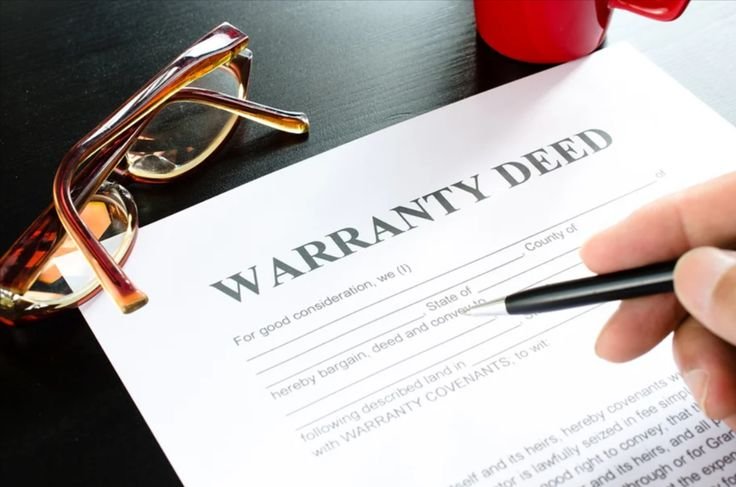
A warranty deed is a legal document used to transfer ownership of real property from a seller (the grantor) to a buyer (the grantee).
What sets it apart from other types of deeds is the set of legal promises, called “covenants,” that the grantor makes to the grantee about the property’s title.
When a seller signs a warranty deed, they are essentially guaranteeing that:
- They actually own the property and have the legal right to sell it
- The property is free of liens, claims, or encumbrances, except those specifically disclosed
- They will defend the buyer’s title against any future claims, even those arising from previous owners
This makes a warranty deed one of the strongest forms of buyer protection available in real estate transactions.
How a Warranty Deed in Indiana Works
In Indiana, a warranty deed must meet certain legal requirements to be valid and enforceable. These Indiana real estate deed requirements include:
- The deed must be in writing
- It must identify the grantor and grantee by name
- It must include a legal description of the property (not just a street address)
- It must be signed by the grantor
- It must be acknowledged (notarized) to be eligible for recording
- It should be recorded with the county recorder’s office in the county where the property is located
Recording the deed isn’t strictly required to make the transfer valid between the buyer and seller, but it is critical for protecting the buyer’s interest against future claims and is standard practice in nearly every Indiana real estate closing.
Types of Deeds in Indiana
Not all deeds offer the same level of protection. Understanding the different types of deeds in Indiana helps you know exactly what you’re getting (or giving up) in a transaction.
General Warranty Deed
A general warranty deed offers the highest level of protection to the buyer. The seller guarantees clear title not just for the time they owned the property, but for the property’s entire history, even before their ownership.
If a title defect from decades ago surfaces, the seller (or their estate) is still responsible for defending against it.
Special Warranty Deed
A special warranty deed offers a more limited guarantee. The seller warrants title only for the period during which they personally owned the property.
Any title issues that existed before their ownership are not covered. This type of deed is common in commercial transactions and sales by banks or estates.
Quitclaim Deed
A quitclaim deed offers no warranties or guarantees at all. The grantor transfers whatever interest they have in the property, if any, without making any promises about the validity of the title.
Quitclaim deeds are often used between family members, in divorce settlements, or to clear up minor title issues, but they offer little protection in an arm’s-length sale.
Transfer-on-Death Deed
Indiana also recognizes transfer-on-death (TOD) deeds, which allow property owners to name a beneficiary who will automatically receive the property upon the owner’s death, without going through probate.
While useful for estate planning, a TOD deed doesn’t offer the same warranties as a general or special warranty deed during the owner’s lifetime.
General Warranty Deed vs. Special Warranty Deed: Key Differences

Since these two are the most commonly confused, it’s worth comparing them directly:
General Warranty Deed
- Covers the entire history of the property, not just the current owner’s tenure
- Provides the strongest protection for buyers
- Most commonly used in traditional residential sales between individuals
Special Warranty Deed
- Covers only the period the current seller owned the property
- Offers less protection than a general warranty deed
- Frequently used in foreclosure sales, estate sales, and commercial transactions
If you’re a buyer, a general warranty deed is almost always preferable because it gives you a stronger legal remedy if a title issue traces back further than the current seller’s ownership.
Do You Need a Warranty Deed in Indiana?
Whether you need a warranty deed depends on the nature of your transaction and how much protection you want.
When You Likely Need a Warranty Deed in Indiana
- Buying a home from a private seller. In most traditional residential purchases, buyers should insist on a general warranty deed to ensure maximum protection against title defects.
- Purchasing investment or commercial property. While special warranty deeds are common in these deals, buyers should still understand exactly what protection they’re getting and negotiate for stronger warranties when possible.
- Any transaction where title history is uncertain. If the property has changed hands multiple times, has had liens in the past, or has unclear ownership history, a warranty deed offers valuable legal recourse.
When a Warranty Deed May Not Be Necessary
- Transfers between family members. A quitclaim deed is often sufficient when transferring property between relatives, such as adding a spouse to the title or transferring property as a gift.
- Divorce settlements. Quitclaim deeds are commonly used to transfer one spouse’s interest in a property to the other as part of a divorce agreement.
- Correcting minor title errors. If you simply need to fix a name misspelling or clarify an ownership interest, a quitclaim deed usually gets the job done without needing full warranty protections.
Warranty Deeds and Title Insurance
Even with a general warranty deed, most Indiana real estate transactions still include title insurance, and for good reason. A warranty deed’s protection is only as good as the seller’s ability to make good on it.
If a title defect surfaces years later and the seller has passed away, moved out of state, or doesn’t have the financial means to defend the claim, the deed’s warranty may be difficult to enforce in practice.
Title insurance protects buyers (and lenders) financially against title defects, regardless of whether the seller is still around or solvent.
Because of this, most lenders require a title insurance policy as a condition of financing, in addition to a warranty deed, giving buyers two layers of protection rather than relying on the deed alone.
Common Title Issues a Warranty Deed Helps Protect Against
Understanding what a warranty deed actually protects against helps illustrate why it matters. Common title issues include:
- Undisclosed liens, such as unpaid property taxes, contractor liens, or old mortgages that were never properly released
- Boundary disputes from inaccurate or outdated surveys
- Forged signatures or fraudulent transfers somewhere earlier in the chain of title
- Missing heirs who may have an undisclosed ownership interest in the property
- Errors in public records, such as incorrect legal descriptions or clerical mistakes
If any of these issues surface after closing, a general warranty deed gives the buyer legal grounds to seek compensation or a defense from the seller. In contrast, a quitclaim deed would leave the buyer with little to no recourse.
How to Get a Warranty Deed in Indiana
If you’re preparing to buy or sell property and need a warranty deed, here’s the general process:
#1. Hire a Real Estate Attorney or Title Company
While Indiana doesn’t strictly require an attorney for every real estate closing, many buyers and sellers choose to work with one, or with a title company, to ensure the deed is drafted correctly and meets all legal requirements.
#2. Conduct a Title Search
Before drafting the warranty deed, a title search should be conducted to identify any existing liens, encumbrances, or ownership issues that must be resolved or disclosed before closing.
#3. Draft the Deed
The deed must include the legal description of the property, the names of the grantor and grantee, and the specific covenants being made (general or special warranty).
#4. Sign and Notarize
The grantor (seller) must sign the deed in front of a notary public for it to be eligible for recording.
#5. Record the Deed
The signed and notarized deed should be filed with the county recorder’s office where the property is located. This creates a public record of the transfer and protects the buyer’s interest against future claims.
Common Mistakes to Avoid
- Assuming all deeds offer the same protection. Many buyers don’t realize the difference between a warranty deed and a quitclaim deed until it’s too late. Always clarify which type of deed you’re receiving before closing.
- Skipping title insurance because you have a warranty deed. As discussed above, a warranty deed alone isn’t a substitute for title insurance.
- Not recording the deed promptly. Failing to record a deed quickly after closing can create complications, especially if a dispute or competing claim arises before the recording is completed.
- Overlooking legal descriptions. A deed with an inaccurate or incomplete legal description can cause significant title problems down the road. Always verify this detail carefully.
Frequently Asked Questions
Is a warranty deed required to sell property in Indiana? No, Indiana law doesn’t require a warranty deed specifically. Sellers can use a quitclaim deed or special warranty deed instead, but a general warranty deed offers the most protection to buyers and is standard in most traditional home sales.
What’s the difference between a warranty deed and a quitclaim deed? A warranty deed includes legal guarantees about the property’s title and the seller’s right to sell it. A quitclaim deed makes no such guarantees; it simply transfers whatever interest the seller has, if any.
Does a warranty deed guarantee there are no title problems? Not exactly. It guarantees that the seller will defend the buyer against title claims and be financially responsible if a covered issue arises, but it doesn’t prevent title problems from existing. That’s why title insurance is typically used alongside a warranty deed.
Can I use a warranty deed to transfer property to a family member? Yes, but it’s often unnecessary. Because family transfers typically don’t involve a sale for market value, a quitclaim deed is more commonly used in these situations.
Do I need an attorney to prepare a warranty deed in Indiana? It’s not legally required, but given the legal significance of the covenants involved, most buyers and sellers work with a real estate attorney or title company to ensure the deed is properly drafted and recorded.
Final Thoughts
A warranty deed in Indiana is one of the most important documents in any real estate transaction, offering buyers legal protection and peace of mind about the property’s title.
Whether you need a general warranty deed, a special warranty deed, or a different type of deed altogether depends on the nature of your transaction and how much protection you and the other party require.
Before your next Indiana real estate closing, take the time to understand exactly what type of deed you’re receiving, and consider pairing it with title insurance for added peace of mind.
If you’re unsure which option is right for your situation, a local real estate attorney or title company can help you make the right choice with confidence.