

Selling a home is rarely simple, but selling in a market with its own unique history, industrial backdrop, and evolving reputation adds another layer entirely.
East Chicago real estate sits at an interesting crossroads, a market shaped by proximity to Chicago, a strong industrial legacy, and neighborhoods that are quietly attracting renewed interest from buyers looking for value close to the city.
This guide breaks down the real challenges sellers face in East Chicago real estate today, along with the genuine opportunities that many sellers overlook.
Whether you’re preparing to list your first home or you’ve sold here before and want an updated read on the market, understanding both sides of this equation will help you price, market, and time your sale more effectively.
Understanding the Current State of East Chicago Real Estate
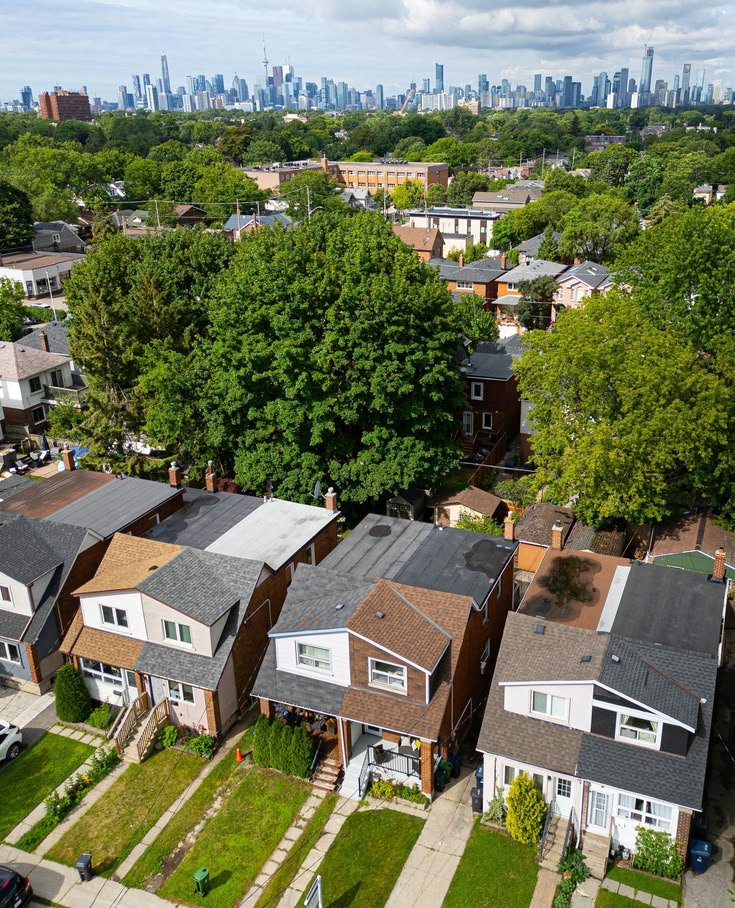
East Chicago has a layered identity. It’s an industrial city with deep manufacturing roots, a location just minutes from Chicago, and a mix of established neighborhoods that vary widely in condition, price, and buyer demand. That variety is exactly what makes East Chicago real estate different from more uniform suburban markets.
Unlike towns where most housing stock was built in a similar era and style, East Chicago includes everything from older working-class housing to renovated properties and pockets of newer development. This diversity means pricing strategy has to be hyper-local what works two streets over may not apply to your specific block.
For sellers, this means one thing above all else: generic pricing advice doesn’t work here. Understanding your specific neighborhood’s recent sales, condition expectations, and buyer pool is essential to successfully navigating East Chicago real estate.
The Real Challenges Sellers Face
It wouldn’t be an honest look at this market without addressing the genuine obstacles sellers encounter. Here are the most common ones:
#1. Perception and Reputation
East Chicago’s industrial history sometimes shapes outside perception more than current reality. Some buyers who aren’t familiar with the area assume the entire city reflects its heaviest industrial zones, even though many residential neighborhoods are quiet, established, and well removed from industrial activity.
Sellers often need to do more work educating buyers and agents unfamiliar with the area than sellers in more universally recognized markets.
#2. Inconsistent Property Conditions Block by Block
Because East Chicago real estate spans a wide range of building eras and renovation levels, buyers touring multiple homes in a single day may see dramatically different conditions from one listing to the next.
This inconsistency can make it harder for sellers of well-maintained homes to stand out and harder for appraisers to find clean, comparable sales nearby.
#3. Financing and Appraisal Gaps
In markets with wide price variation, appraisals can sometimes come in lower than agreed purchase prices, particularly if recent comparable sales in the immediate area were distressed sales or fixer-uppers.
This creates real friction for sellers whose homes are genuinely worth more but lack strong recent comps to support that value.
#4. Aging Infrastructure in Some Homes
Older housing stock throughout parts of East Chicago means some properties carry aging roofs, outdated electrical systems, or older plumbing.
Buyers are increasingly inspection-savvy, and unresolved issues discovered during due diligence can slow down or derail a sale if not addressed proactively.
#5. Environmental and Industrial Proximity Concerns
Given the city’s industrial history, some buyers ask pointed questions about environmental factors, particularly for homes near former industrial sites.
Sellers benefit from being prepared with clear, accurate information rather than being caught off guard by these questions during showings.
The Opportunities Sellers Often Miss
Despite these challenges, East Chicago real estate offers genuine advantages that savvy sellers can use to their benefit.
#1. Proximity to Chicago at a Lower Price Point
East Chicago’s location just across the state line from Chicago is one of its strongest selling points. Buyers priced out of Chicago’s South Side or nearby Illinois suburbs are increasingly looking at East Chicago real estate as a way to stay close to the city without the associated price tag.
#2. Growing Interest from Investors
Rental demand in the region has made East Chicago attractive to investors looking for cash-flowing properties. Sellers with well-located, structurally sound homes, even those needing cosmetic work, can find a receptive audience among buyers looking specifically for investment potential rather than move-in-ready perfection.
#3. Undervalued Pockets With Upside
Because pricing varies so much by block and condition, some neighborhoods within East Chicago are genuinely undervalued relative to their location and potential.
Sellers who understand which pockets are gaining momentum can price more confidently and market those location advantages directly to buyers.
#4. Renewed Development and Infrastructure Investment
Ongoing infrastructure and revitalization efforts in parts of the city are gradually reshaping buyer perception.
Sellers who stay informed about nearby development projects, new retail, road improvements, or community investment can use these as legitimate selling points rather than relying on outdated assumptions about the area.
#5. Less Competition Than Saturated Nearby Markets
Because East Chicago doesn’t attract the same volume of competing listings as some more heavily marketed nearby towns, well-prepared sellers often face less direct competition for buyer attention, particularly for updated, move-in-ready homes.
How Sellers Can Turn Challenges Into Advantages

Understanding the obstacles and opportunities within East Chicago real estate is only useful if it translates into action. Here’s how sellers can respond strategically:
#1. Lead with facts, not assumptions. If your home is in a quiet, well-established block, say so clearly in your listing description. Don’t assume buyers already know the difference between neighborhoods spell it out.
#2. Get a pre-listing inspection. Identifying and addressing issues before buyers do prevents last-minute renegotiations and builds buyer confidence, which matters more in markets with inconsistent property conditions.
#3. Price using tight, hyper-local comps. Work with an agent who pulls comparable sales from your immediate area rather than city-wide averages, which can be misleading given how much conditions vary block by block.
#4. Prepare for appraisal questions in advance. If your home has meaningful upgrades that aren’t reflected in nearby comps, document them clearly permits, receipts, before-and-after photos to support your case if an appraisal comes in lower than expected.
#5. Market to the right buyer pool. If your property is a strong rental candidate, make sure your listing reaches investors, not just traditional owner-occupant buyers. This can significantly widen your pool of serious offers.
#6. Highlight proximity and commute advantages. For buyers priced out of Chicago, East Chicago real estate often represents genuine savings without sacrificing accessibility. Make that comparison directly in your marketing.
What Buyers Are Actually Looking For
Understanding buyer psychology helps sellers position their homes more effectively. In this market, buyers are typically looking for one of three things:
- Affordability with proximity: buyers who want to stay close to Chicago without Chicago-level prices
- Investment potential: buyers seeking rental income or long-term appreciation in an undervalued pocket
- Value with upside: buyers willing to take on manageable updates in exchange for a lower purchase price and future equity growth
Sellers who understand which of these buyer types their home is most likely to attract can tailor their marketing, pricing, and even minor pre-listing improvements accordingly.
Working With an Agent Who Knows This Market
Given how much East Chicago real estate varies from block to block, working with an agent who has direct, current experience in the specific neighborhood matters more here than in more uniform markets. A knowledgeable local agent can offer:
- Accurate, hyper-local comparable sales
- Insight into which blocks are gaining buyer interest
- Guidance on addressing appraisal or inspection concerns proactively
- A realistic read on whether your home is more likely to attract owner-occupants or investors
- Marketing strategies that highlight location and value rather than relying on generic listing templates
Choosing the right representation can be the difference between a smooth, well-priced sale and a listing that lingers due to mismatched pricing or marketing.
Common Mistakes Sellers Should Avoid
- Pricing based on city-wide averages instead of true block-level comps
- Ignoring necessary repairs and hoping buyers won’t notice during inspection
- Failing to address perception issues directly in listing descriptions and showings
- Overlooking investor buyers as a legitimate and often motivated segment of demand
- Underestimating the value of proximity to Chicago as a genuine selling point
Avoiding these missteps can meaningfully improve both the speed and final price of a sale in this market.
Frequently Asked Questions
Is East Chicago real estate a good market for sellers right now? It depends heavily on the specific neighborhood and property condition, but well-priced, well-prepared homes particularly those appealing to investors or Chicago-adjacent buyers tend to perform well.
Why do appraisals sometimes come in low in this market? Because property conditions and pricing vary significantly block by block, appraisers may struggle to find strong comparable sales, which can create gaps between agreed purchase prices and appraised values.
Should I disclose proximity to industrial areas? Yes. Being upfront and accurate about location details builds buyer trust and avoids complications later in the transaction.
Final Thoughts
East Chicago real estate is a market defined by contrasts genuine challenges around perception, inconsistent property conditions, and appraisal gaps, alongside real opportunities tied to affordability, proximity to Chicago, and investor demand.
Sellers who approach this market with accurate, hyper-local pricing, proactive preparation, and clear communication about their property’s true condition and location advantages are the ones who consistently come out ahead.
Rather than viewing East Chicago real estate through the lens of outdated assumptions, sellers who understand both the obstacles and the upside can position their homes competitively and attract serious, motivated buyers whether they’re looking for a primary residence, an investment property, or simply an affordable way to stay close to the city.