

Porter County has quietly become one of the more closely watched corners of Northwest Indiana’s real estate landscape.
Communities like Valparaiso, Portage, Chesterton, and Hebron each contribute their own character to the county’s housing picture.
Understanding what’s actually driving home sales in Porter County, Indiana, in 2026 requires looking beyond any single citywide statistic and toward the specific forces shaping demand across the county.
This post breaks down the key factors behind current activity, what they mean for both sellers and buyers, and how Porter County’s dynamics compare to the broader Northwest Indiana region.
A County Shaped by Growth, Not Just Proximity
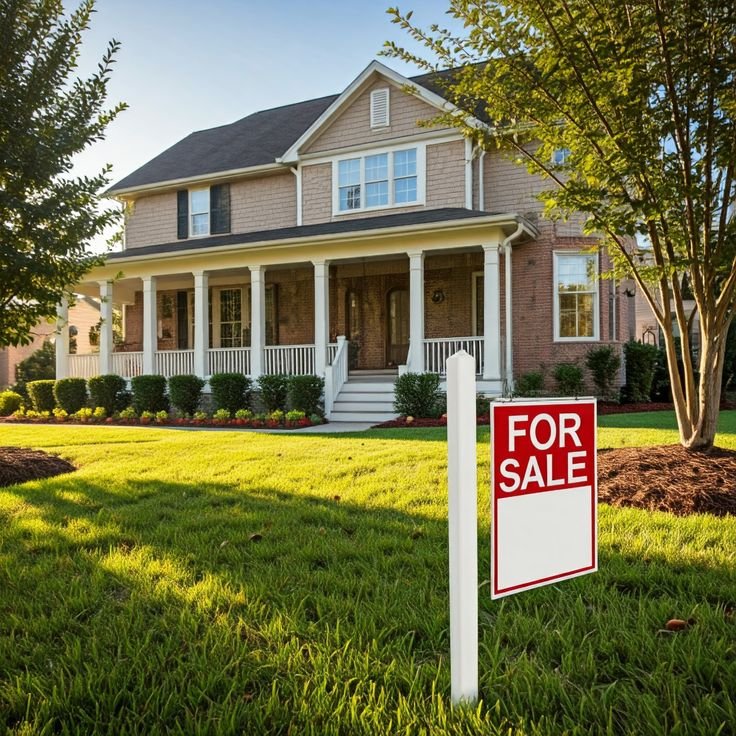
Unlike Lake County, which sits directly on the Chicago border, Porter County’s relationship to the broader metro area is a bit different: it is close enough to benefit from spillover demand, but also home to its own genuinely growing communities that draw interest independent of anything happening across the state line.
This dual identity is central to understanding home sales in Porter County, Indiana, in 2026: part an extension of the region’s affordability story, part a standalone growth market in its own right.
Key Factors Driving Current Activity
Continued Population Growth
Porter County has experienced steadier population growth than many of its Northwest Indiana neighbors in recent years, driven by a combination of families relocating from the Chicago area and residents moving from within Indiana seeking the county’s mix of suburban amenities and small-town character.
This consistent population growth remains one of the most fundamental forces behind ongoing home sales in Porter County, Indiana, in 2026, since more households moving into the area directly translates into sustained housing demand.
Valparaiso’s Continued Draw
Valparaiso, the county seat, has continued to serve as a major draw for buyers seeking a walkable downtown, strong local amenities, and a reputation as one of the region’s more desirable small cities.
Home sales in Porter County, Indiana, in 2026 have been shaped significantly by Valparaiso’s ongoing popularity, with well-maintained homes in and around the city center often seeing brisk buyer interest.
New Construction Activity
Unlike more built-out communities such as Hammond or East Chicago, Porter County has seen a more meaningful level of new residential construction in recent years, particularly in and around Valparaiso and Portage.
This ongoing new construction has added supply to a market that might otherwise be more constrained, while also appealing to buyers specifically seeking modern layouts and updated systems that older housing stock elsewhere in the region can’t offer.
Affordability Relative to Chicago
Even with its own growth trajectory, Porter County has continued to benefit from the broader affordability dynamic that shapes much of Northwest Indiana.
Buyers priced out of Chicago Southland and its closer suburbs continue to look to the county for lower home prices, lower property taxes, and a still-reasonable commute for those working in or near the city.
Highway and Transit Access
Porter County’s connectivity via major interstates and, in parts of the county, proximity to South Shore Line stations continue to support demand from commuters balancing affordability against access to Chicago-area employment.
This transportation access remains a meaningful factor in home sales in Porter County, Indiana, in 2026, particularly for buyers weighing Porter County against other Northwest Indiana counties.
A Growing Cash-Sale Segment
As in much of the broader region, direct cash sales have become an increasingly normal part of the market here, particularly for older homes, inherited properties, or situations requiring a fast, predictable close.
While Porter County’s overall housing stock skews somewhat newer and better-maintained than some neighboring counties, this segment still represents a meaningful share of current activity, especially in older sections of Portage and more rural parts of the county.
City-by-City Snapshot
Valparaiso
Valparaiso continues to anchor much of the county’s housing market, with strong demand for both established homes near downtown and newer construction on the city’s outskirts. Its reputation for schools, amenities, and community character continues to support some of the steadiest demand in the county.
Portage
Portage offers a mix of established neighborhoods and newer development, with a housing stock that varies more in age and condition than Valparaiso’s. This variation has continued to support both traditional sales for well-maintained homes and a meaningful cash-sale segment for older or distressed properties.
Chesterton
Chesterton’s small-town character and proximity to the Indiana Dunes have continued to draw buyers seeking a quieter lifestyle without sacrificing reasonable access to the broader region’s job centers, supporting steady, consistent demand.
Hebron and Smaller Communities
Smaller Porter County communities like Hebron offer a more rural alternative within the county, generally seeing more modest transaction volume but consistent interest from buyers specifically seeking more space and a slower pace of life.
Rental Market Dynamics in the County
While this overview focuses primarily on the for-sale market, rental conditions across Porter County are worth a brief mention given how closely the two markets interact.
Steady population growth, including younger households and those not yet ready to buy, has continued to support consistent rental demand, particularly in and around Valparaiso and Portage.
This has kept investor interest relatively steady across the county, adding another layer of buyer competition for certain property types beyond traditional owner-occupants.
For homeowners weighing whether to sell outright or hold a property as a rental investment, this steady rental demand is a relevant factor to consider alongside the broader trends shaping current home sales in Porter County, Indiana, in 2026.
How This Compares to Recent Years
Looking back over the past several years adds useful context to current conditions. Following the intense, low-rate-driven buyer activity seen nationally between 2020 and 2022, Porter County’s market, like much of the broader region, has generally settled into a steadier, more moderate pace.
New construction activity has continued at a relatively healthy clip even as the frantic urgency of the earlier boom years has faded, helped along by the county’s continued population growth and its status as a genuine growth market rather than a purely spillover-driven one.
Interest rate increases over the past several years have tempered some buyers’ purchasing power, but Porter County’s combination of new housing supply and organic population growth has helped the county maintain more resilient activity than some of its neighbors, where affordability spillovers from Chicago account for a larger share of overall demand.
This distinction is worth keeping in mind for anyone comparing current home sales in Porter County, Indiana, in 2026 against neighboring Lake County’s more Chicago-proximity-driven market.
What This Means for Sellers
For homeowners in Porter County weighing a sale in the current environment, a few practical takeaways stand out:
Location within the county matters significantly. Homes near Valparaiso’s downtown or in well-established Chesterton neighborhoods have generally continued to see stronger demand than more rural or less-connected areas.
New construction affects how existing homes compete. Sellers of older homes should recognize that buyers now have more new-construction options than in some neighboring communities, making updates and competitive pricing more important to stand out.
Condition still drives buyer pool size. Move-in-ready homes continue to attract the broadest range of traditional buyers, while properties needing significant work may be better suited to a direct cash sale, particularly in Portage’s older sections.
Population growth supports a generally healthy market, but individual neighborhood conditions still vary enough that local comparable sales remain more useful than countywide statistics alone.
What This Means for Buyers
Buyers evaluating Porter County as part of their search should also keep a few things in mind:
Valparaiso remains competitive. Its popularity means buyers should expect more competition for well-priced, desirable homes near the city center.
New construction offers an alternative to bidding wars on older homes, particularly for buyers prioritizing modern layouts and lower near-term maintenance needs.
Smaller communities offer more room and often more value, for buyers willing to trade some proximity to amenities for space and a quieter setting.
The School District Factor
For many families evaluating a move to Porter County, the school district’s reputation plays a meaningful role in shaping where demand is concentrated.
Districts associated with strong academic performance have generally continued to see steadier interest from family buyers, sometimes outweighing other factors like commute distance or home age in the final decision.
This is particularly relevant in and around Valparaiso, where school district reputation is frequently cited by relocating families as a primary reason for choosing the area over otherwise comparable communities elsewhere in the region.
How Porter County Compares to Its Neighbors

Porter County’s growth-driven character sets it apart somewhat from Lake County’s more Chicago-proximity-driven dynamics.
While affordability relative to Chicago plays a role in both counties, Porter County’s new construction activity and Valparaiso’s specific draw give its market a distinct flavor, less defined purely by spillover demand from across the state line and more shaped by organic growth and its own set of desirable communities.
Understanding this distinction matters for anyone trying to make sense of home sales in Porter County, Indiana i, in 2026 relative to the broader regional picture.
Frequently Asked Questions
Why has Porter County seen more new construction than other Northwest Indiana counties?
Available land, a mix of local zoning and development conditions, and consistent buyer demand have combined to support more new residential development here than in more built-out communities like Hammond or Gary.
Is Valparaiso more expensive than the rest of Porter County?
Generally, yes, its popularity and amenities tend to support higher home prices than in some of the county’s smaller or more rural communities, though specific comparisons depend heavily on individual neighborhoods and property types.
Are cash sales common in Porter County?
They represent a smaller share of the market than counties with more distressed housing stock, such as parts of Lake County, but they remain a relevant and growing option, particularly for older homes in Portage or inherited rural properties elsewhere in the county.
What’s driving population growth in Porter County specifically?
A combination of Chicago-area relocations, in-state moves, and the county’s reputation for schools and quality of life has contributed to steady population growth, which continues to be one of the central forces behind ongoing home sales in Porter County, Indiana, in 2026.
Where can I find precise, current data for a specific property?
A local real estate professional or a current MLS report remains the most reliable source for property-specific figures, since the trends discussed here are meant to provide general context rather than precise valuation.
A Note on Data and Methodology
This overview of home sales in Porter County, Indiana, in 2026 is intended as a directional summary of regional dynamics rather than a substitute for verified, current statistics.
Specific figures, median prices, exact transaction counts, or precise days-on-market data are subject to change and should be confirmed through a live local source, such as a current MLS report or the Indiana REALTORS® association.
Looking Ahead
Several factors are likely to continue shaping home sales in Porter County, Indiana, in 2026 and beyond: the pace of continued new construction, any shifts in Chicago-area affordability spillover, broader interest rate movements, and the county’s ongoing population growth trajectory.
Homeowners and buyers alike will benefit from watching these countywide trends while staying closely attuned to the specific conditions in their own community since Porter County’s mix of growth-driven and affordability-driven demand makes it a market that rewards genuine local attention.
Ultimately, understanding home sales in Porter County, Indiana, in 2026 means recognizing a market shaped by its own genuine growth story, new construction, population inflows, and a set of communities with real, independent appeal layered atop the broader affordability dynamics that shape much of Northwest Indiana.
That combination gives the county a distinct character worth tracking on its own terms, rather than folding it entirely into assumptions drawn from its neighbors.