
You’ve spent years making your house a home, but now that you are ready to move, the clock is ticking.
If you are wondering how to sell my home quickly, you might assume it requires accepting a massive price cut just to get the property off your hands.
In reality, the best sales happen because of strategic work done before a buyer even walks through the front door.
Adopting a “Retail Mindset” is the ultimate secret to a fast transaction. Think of your property like a high-end product on a store shelf; it needs to appeal instantly to the modern consumer.
According to general market wisdom, the quickest way to sell a house involves minimizing your Days on Market (DOM)—the total number of days your property sits actively for sale.
A stagnant listing can actually cost you thousands, as buyers often assume something is wrong with homes that linger too long.
Successfully navigating this shift doesn’t have to be overwhelming. By breaking the process down into five critical phases—from emotional detachment and visual prep to strategy, mechanics, and the finish line—you take control of the timeline.
Following these tips for selling your house will help turn your personal space into a buyer’s dream.
Why Your House Isn’t Selling—And How the ‘Home-to-Retail’ Shift Changes Everything
Selling a property is like placing a high-end product on a retail store shelf. It is no longer your personal sanctuary, but a valuable market asset.
This “home-to-retail” shift is the hardest emotional step for a seller, yet it is absolutely crucial.
When strangers walk through the front door, buyer psychology dictates if they feel at ease or completely out of place. Effective house-selling strategies require removing the three biggest distractions: family photos, daily surface clutter, and highly personalized decor.
If a buyer sees a wall covered with your vacation photos or a bright purple bedroom, they feel like an intruding guest rather than a future owner.
Mastering the “blank canvas” approach solves this by appealing to the widest possible demographic. Neutralizing bold paint colors and packing away collections lets buyers mentally place their own furniture in the rooms.
If you are researching how to sell your house fast, this simple act of depersonalization is among the most effective ways to do so without dropping your price.
Before buyers step inside to see that blank canvas, however, they have already formed a powerful opinion. This rapid judgment relies on the “First 10 Seconds Rule,” where the immediate exterior view sets the mood for the whole tour.
Boost Curb Appeal in 48 Hours: The First 10 Seconds That Win Over Every Buyer
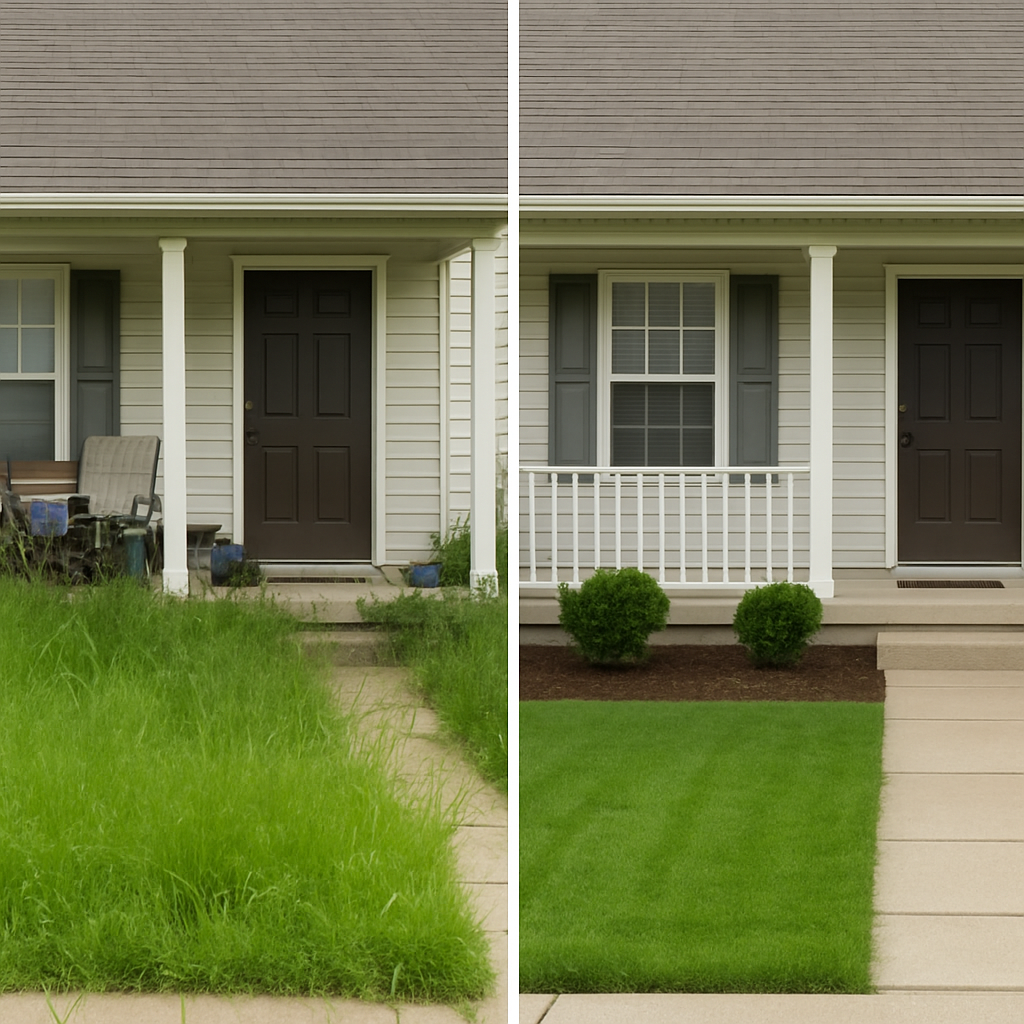
Buyers judge your home before they even step out of the car. If they spot an overgrown lawn or a dusty porch, they immediately wonder what else is broken inside.
This psychological leap is the “perception of maintenance”—buyers assume a messy exterior means a neglected interior, which undermines any strategy to maintain a sell-my-house-fast pace.
Transforming that crucial first impression does not require a massive renovation budget.
You simply need to build an “Instagram-ready” entryway that practically invites people inside, acting as the ultimate retail window display for your property.
A single weekend of focused work is all it takes to boost curb appeal for a quick sale. Start by mowing the grass and edging the sidewalks to create crisp, clean lines.
Next, spread a fresh layer of dark mulch in the garden beds, which instantly makes plants pop and signals a well-cared-for home.
Finally, scrub the front door and polish the house numbers to ensure a strong, immediate connection with buyers.
These quick exterior tweaks are the secret to selling a property quickly.
Once you win buyers over at the curb, they walk inside ready to fall in love. Your interior must match these high expectations, and maximizing your perceived square footage is the ideal next step.
Decluttering for Profit: How Removing 50% of Your Items Increases Perceived Square Footage
Once buyers walk inside, your interior must feel massive to match the expectations set at the curb.
Most people think making a room look bigger requires knocking down walls, but the true secret is “perceived square footage”—how spacious a room feels to a buyer.
Every oversized chair or packed bookshelf quietly steals visual space, shrinking your home’s value and ruining your strategy for making it sell faster.
Tackling this illusion requires the “50% rule,” focusing heavily on two major deal-killers: kitchens and primary bedrooms.
Buyers will always open doors to see if their life can fit inside yours. Apply “The Closet Rule” by packing away half of your wardrobe, which instantly makes standard storage look like a luxury walk-in closet.
Renting an off-site unit to store these boxes is one of the smartest home-staging tips to increase value, immediately proving to buyers that the house has room to spare.
Getting started is simple if you stick to this strict decluttering checklist for open house preparations:
- Clear all kitchen counters of appliances.
- Remove 50% of clothes from closets.
- Box up all family photos.
- Clear paths to all windows.
Stripping away personal items transforms your living space into a pristine retail product ready for the market. Once the property feels vast and inviting, setting a strategic price is necessary to attract multiple competitive offers.
Price It to Ignite a Bidding War: Why ‘Listing Low’ Often Results in a Faster, Higher Sale
Most sellers assume asking for a fortune and negotiating down is a smart move, but this strategy usually backfires.
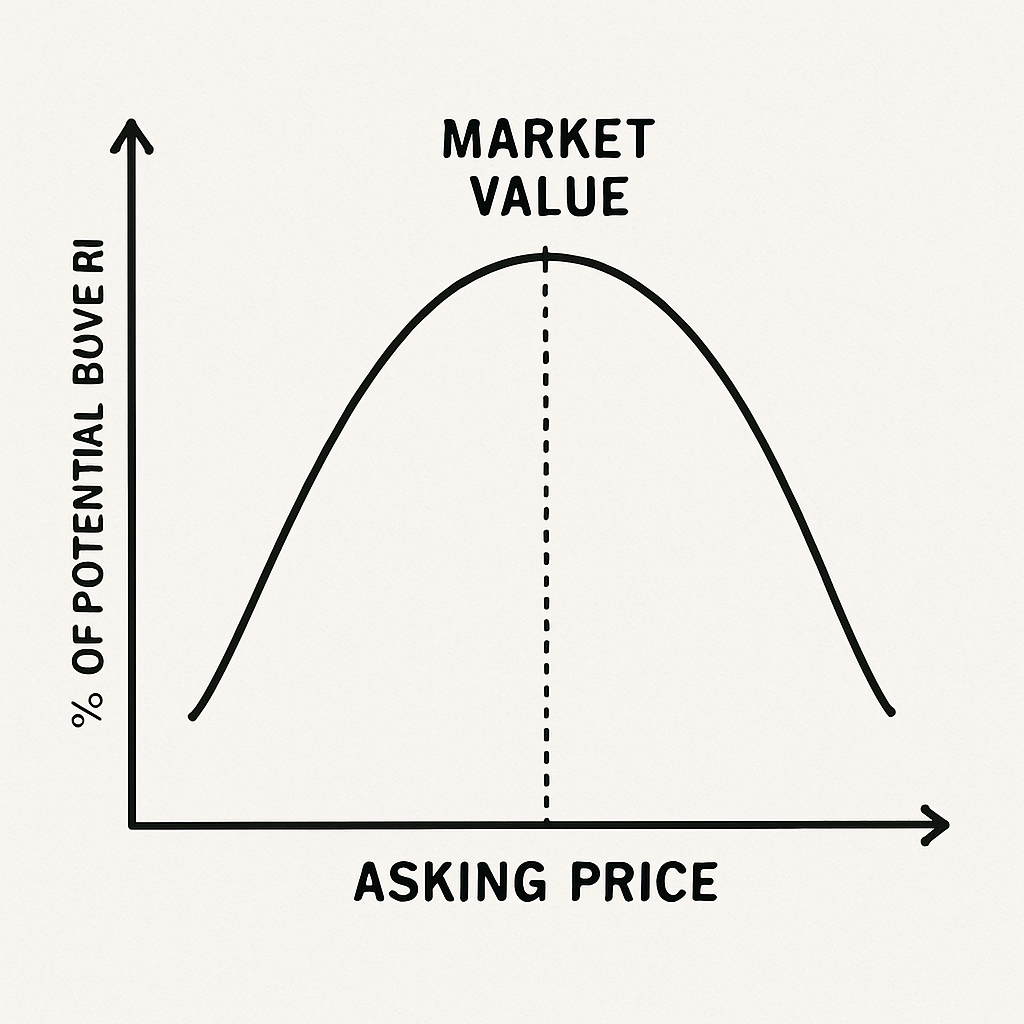
Your goal is to find the “Sweet Spot” to instantly attract buyers by balancing market value vs listing price.
Market value is what buyers will actually pay based on recent neighborhood sales, while your listing price is simply a retail advertising tool to get them in the door.
Real estate websites dictate how people shop today. Buyers don’t type in exact numbers; they use dropdown filters. This is called Search Bracket Optimization.
If you list your house at $405,000, you are completely invisible to the massive pool of buyers searching for homes up to $400,000.
Slipping your number just below those major digital search brackets captures drastically more traffic.
Overpricing leads to the dreaded “price drop” stigma, where buyers start assuming something is broken. If you are wondering how to sell your home quickly in a slow market, price it slightly below market value.
This leverages Anchor Pricing, making your property look like an absolute steal compared to the rest of the neighborhood. Buyers rush in, fearing they will miss out, which naturally drives the final number up.
Figuring out how to price a home to attract multiple offers sets the stage for a highly profitable sale. However, even the most strategic price won’t spark a bidding war if the property looks dull on a screen.
You must prove that value visually.
Professional Photography vs. Smartphone Snaps: Why the First Showing Always Happens Online
Most sellers assume a buyer’s first impression happens when they pull into the driveway, but that old rule is completely outdated.
Today, buyers decide whether they like a property within the first 10 seconds of swiping through pictures on their phones. Mastering this “Digital Curb Appeal” is the absolute best way to sell a home quickly.
A crisp snapshot from your smartphone simply isn’t enough to compete on the modern market.
There is a massive difference between a photo that is just clear and a “selling” photo that makes a room look spacious and inviting.
The professional real estate photography impact comes from specialized lenses and knowing exactly how to prep a room’s lighting—like opening every blind and turning on all lamps to make the space naturally glow on screen.
Upgrading your online listing with 3D tours and floor plans introduces a powerful concept called Showing Filtering. Think of this like a virtual open house that runs all day.
If you find yourself asking, “how can i sell my house quickly without endless interruptions?” these digital tools are the answer because they weed out casual window-shoppers, ensuring only highly motivated buyers book an in-person tour.
Stunning visuals capture buyers’ hearts before they ever map your address. Once those photos bring eager shoppers to your door, the property’s physical condition must match the online promise through targeted repairs.
Low-Cost Repairs with High ROI: Which Fixes Actually Speed Up Your Closing?
Many sellers stare at outdated bathrooms and wonder, “Should I renovate before selling?” The answer is usually no.
Buyers actively look for reasons to discount prices, but dated countertops won’t hurt you nearly as much as visible neglect.
This triggers Red Flag Signaling—when buyers spot a simple broken fixture, they instantly assume hidden systems like plumbing are also failing.
Flipping this psychology creates Maintenance Perception ROI. It works exactly like detailing a used car to prove the engine runs perfectly. Focus on low-cost repairs for maximum return on investment to project an image of absolute care.
Spending just $500 on easy weekend fixes prevents anxious buyers from inflating a minor handyman checklist into a $5,000 negotiation penalty.
Instead of tearing down drywall, target the tiny flaws that inevitably trigger home inspectors. Protect your net profit with these Top 5 High-ROI Fixes:
- Leaky faucets and running toilets.
- Dead lightbulbs.
- Scuffed baseboards.
- Dated cabinet hardware.
- Squeaky doors.
Even minor touch-ups can feel overwhelming on a tight timeline. If you are leaning toward selling your house in as-is condition to skip the hardware store entirely, assessing alternative buyers is your logical next step.
Cash Home Buyers vs. Traditional Listings: Deciding Which Path Gets You Moving Fastest
Weighing cash home buyers vs. traditional listings is like trading your car in at a dealership versus selling it yourself.
A traditional sale maximizes profit through patience. Conversely, skipping open houses often means using an iBuyer—a corporate investor making instant offers.
When checking any iBuyer company’s review and fees, you will notice they charge service costs similar to agent commissions but deliver unmatched speed.
The real advantage here is the Fast Closing Process, meaning you finalize the legal sale in days, not months. These investors use their own capital, bypassing the bank appraisal entirely—a traditional step where lenders confirm the property’s value. Without waiting for a bank, you can collect your check immediately.
That convenience always comes with a literal price tag. When negotiating cash offers on residential property, expect initial bids to be noticeably below market value.
Always verify their financial capability by requesting Proof of Funds, a simple bank document confirming they have the liquid cash available. This single paper protects you from phantom buyers hoping to stall your sale.
Spotting red flags in house-buying scams remains your final defense before signing contracts. Walk away from buyers who refuse an earnest money deposit, use high-pressure tactics, or request the deed before paying.
Once you have chosen the right buyer for your specific timeline, you are fully prepared for the final launch.

Your 7-Day Fast-Track Checklist: Final Steps to Get Your Sold Sign in the Ground
By applying this advice for selling your home, you can confidently shift your mindset from an emotionally attached “Owner” to a strategic “Seller.”
Before diving into the visual work, gather the legal documents needed to sell a house—like your property tax records and original deed. Organizing these files right now prevents frustrating bottlenecks at the closing table later.
With your paperwork secure, execute this compressed timeline to hit the market with maximum impact:
- The 7-Day Launch Plan:
- Day 1-2: Radical Declutter.
- Day 3: Minor Repairs.
- Day 4: Deep Clean & Curb Appeal.
- Day 5: Professional Photos.
- Day 6: Pricing Finalization.
- Day 7: Live Listing.
Finally, stand at your front door and ask yourself: “If I were a stranger walking into my house today, would I buy it?” When you can honestly answer yes, you have unlocked the secret of how to sell real estate fast.
This upfront effort directly lowers your Days on Market (DOM), minimizing stress and getting you to the closing table sooner.
Begin with a thorough decluttering session to establish the foundation for a seamless, profitable sale.