Selling a home with a mortgage can seem daunting. Many homeowners wonder if it’s even possible. The good news is, it is.
Understanding the process is key. You need to know how to handle the mortgage balance. This involves paying it off at closing.
A reverse mortgage adds another layer of complexity. But selling is still an option. You just need to follow specific steps.
Before listing your home, get a payoff statement from your lender. This will show the exact amount you owe.
Setting the right price is crucial. It should cover the mortgage and closing costs. A real estate agent can help with this.
Preparing your home for sale is important as well. It can increase its market value.
Navigating the sale of a mortgaged home requires careful planning. With the right guidance, it can be a smooth process.
Can You Sell a House With a Mortgage?
Yes, you can sell a house with an existing mortgage. Many homeowners do this every day. However, there are important details to consider.
First, the mortgage needs to be paid off during the sale process. The balance is settled using the proceeds from the sale. This is a standard part of selling a mortgaged home.
To start, contact your lender. Obtain a payoff statement outlining the total amount you owe. This document is crucial. It provides clarity on your financial obligations.
With a reverse mortgage, the process is slightly different but possible. You must ensure the sale covers at least 95% of the home’s appraised value.
Here’s a quick checklist to get started:
- Contact your lender for a payoff statement.
- Determine the remaining balance on your mortgage.
- Understand the terms of your reverse mortgage.
- Consult a real estate agent for guidance.
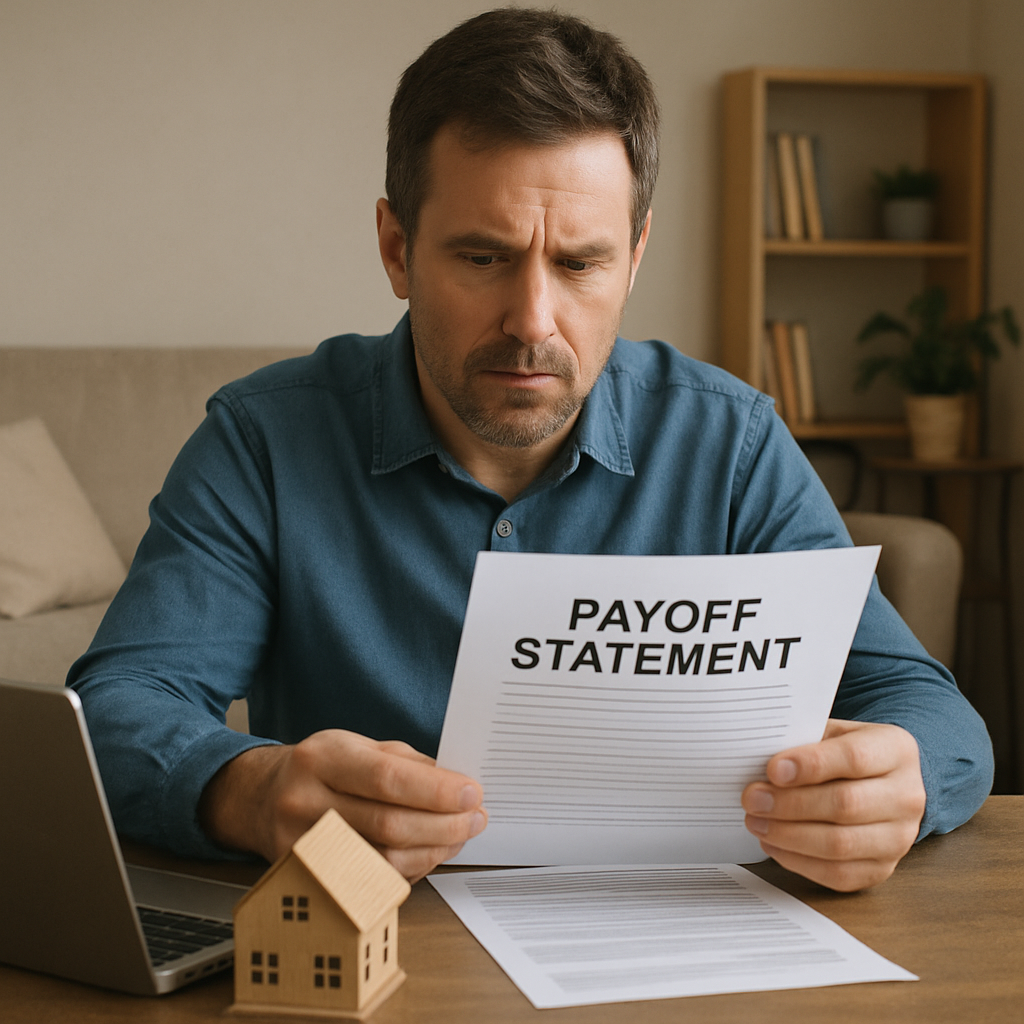
Every home sale situation is unique. Understanding your specific circumstances will help you navigate the process successfully.
Understanding Your Mortgage Payoff Amount
Knowing your mortgage payoff amount is essential when selling. This figure includes your remaining loan balance and any accrued interest. It may also involve fees from your lender.
Start by contacting your lender to request the exact payoff statement. This document will provide the accurate amount you owe up to a specific date. Remember, interest is calculated daily, so timing is crucial.
Be prepared for potential surprises. Payoffs can include additional fees such as prepayment penalties, late charges, or other closing costs. Understanding these factors helps you accurately price your home to ensure all debts can be cleared.
Here’s what to consider in your payoff:
- Remaining principal balance
- Accrued interest since last payment
- Potential prepayment penalties
- Any late fees or outstanding charges
Gather all these details before listing your home. Having this information on hand will help you plan your sales strategy effectively. Making sure you’re financially prepared is key.
How to Sell a House With a Mortgage: Step-by-Step
Selling a house with a mortgage isn’t as daunting as it sounds. With careful planning, the process can be manageable. Follow these steps to simplify your sale.
First, ensure you’re clear on your financial standing by obtaining the necessary documents. Know your mortgage payoff and your home’s market value. This clarity shapes the entire selling process.
Working with a seasoned real estate agent can be beneficial. They provide expertise that helps attract potential buyers. Their market analysis will help set a realistic price.
Marketing your home effectively ensures it stands out. Well-prepared homes often sell faster, maximizing sale proceeds. Proper staging and good photography contribute to a strong impression.

In negotiations, flexibility is key. Being open to repairs or concessions can seal the deal. Understanding buyer demands is crucial for a successful transaction.
Prepare for closing by coordinating with the involved parties. This phase includes escrow management, ensuring the mortgage payoff is met before any proceeds are released.
Finally, approach each step with preparedness. Staying informed and seeking professional guidance when needed ensures a smooth sale experience.
1. Contact Your Lender and Request a Payoff Statement
Your first step is to contact your lender. Request a detailed payoff statement. This statement reveals your mortgage balance, accrued interest, and any applicable fees.
By understanding these specifics, you can price your home effectively. Ensuring debts are fully addressed by the sale proceeds is crucial. Knowing your payoff is a fundamental step in the selling process.
2. Estimate Your Home’s Value and Equity
Next, determine your home’s current market value. Consider similar properties in your area. This comparison gives an estimate of what buyers might offer.
Home equity is crucial in this evaluation. Calculate it by subtracting your mortgage balance from the estimated property value. This figure shows potential sale proceeds.
Here’s what affects home value:
- Local real estate trends
- Home upgrades and improvements
- Neighborhood desirability
Understanding your equity aids in financial planning. It also helps determine whether a sale is financially beneficial for you.
3. Find a Real Estate Agent and Set a Listing Price
A trusted real estate agent guides you through the selling process. Their expertise in the local market is invaluable. They will provide a market analysis of your home.
Set a competitive listing price. This price should cover your mortgage and any related costs. Being strategic with pricing attracts more potential buyers.
 by Jakub Żerdzicki (https://unsplash.com/@jakubzerdzicki)
Consider these when pricing your home:
- Market conditions
- Agent’s valuation analysis
- Buyer demand trends
An experienced agent helps navigate negotiations to ensure maximum profit. Choose an agent who understands your area and has a proven track record.
4. Prepare and Market Your Home for Sale
The next step is preparing your home for sale. Start with a thorough cleaning and necessary repairs. A well-kept home appeals more to buyers.
Effective marketing strategies are key. High-quality photos and virtual tours showcase your property’s best features. This exposure is vital in today’s digital age.
 by Ivan Santos (https://unsplash.com/@dgangj)
Boosting your home’s appeal:
- Staging with contemporary furnishings
- Highlighting unique home features
- Ensuring ample online exposure
Creating an attractive listing will draw in potential buyers. The better your home presents, the quicker it may sell.
5. Negotiate Offers and Accept a Contract
Once offers start coming in, be prepared to negotiate. Flexibility could lead to favorable terms. Consider multiple factors besides price, like closing timelines.
Here’s how to evaluate offers:
- Consider the potential buyer’s financial strength
- Assess contingencies affecting sale certainty
- Weigh potential concessions or repair demands
Carefully review each offer’s terms. Accept the one that aligns with your goals and ensures a smooth transaction.
6. The Closing Process: Paying Off the Mortgage
The closing process finalizes the sale. Manage all required paperwork precisely to avoid delays. Coordinating with escrow ensures a secure transaction.
At closing, your mortgage payoff is settled. Proceeds go first to mortgage clearance. Anything remaining goes to you.
 by Bernard Hermant (https://unsplash.com/@bernardhermant)
Key closing steps:
- Signing the deed over to the buyer
- Managing payoff with the lender
- Receiving remainder proceeds after clearances
Clear communication between all parties is crucial. Finalizing details ensures a prompt and successful closing experience.
Special Situations: Selling a House With a Reverse Mortgage
Selling a house with a reverse mortgage presents unique challenges. Though possible, the process involves additional steps and considerations. Understanding these nuances is crucial for a successful sale.
A reverse mortgage allows seniors to access home equity without monthly payments. Upon sale, the balance, including accumulated interest, must be paid in full. Ensure the sale price is enough to cover this debt.
Begin by notifying your lender of your intention to sell. Obtain a payoff estimate to gauge the required sale proceeds. This step is vital for financial clarity and goal alignment.
 by Taha (https://unsplash.com/@exploringzhongguo)
Key steps to manage:
- Communicate with your lender early
- Obtain a payoff statement for clarity
- Set a sale price covering the reverse mortgage debt
Unlike traditional mortgages, reverse mortgages may require selling for at least 95% of the appraised value. Real estate professionals can help set an accurate price to meet these requirements, simplifying the process.
Navigating a sale with a reverse mortgage involves specialized knowledge. Consulting financial experts can offer valuable insights to ensure a smooth transaction.
What If You Owe More Than Your Home Is Worth? (Short Sale)
Facing a situation where your home is worth less than the mortgage balance can be stressful. This scenario often leads sellers to consider a short sale. A short sale involves selling the property for less than the mortgage owed.
To proceed, you need the lender’s approval. Lenders agree to a short sale to avoid lengthy foreclosures. They often believe it’s more cost-effective than repossessing the home.
Starting a short sale requires gathering the necessary documents to prove financial hardship. Next, hire a real estate agent experienced in short sales to navigate the complexities.
Here’s what to remember for a short sale:
- Obtain the lender’s approval to proceed
- Provide financial hardship documentation
- Work with a knowledgeable real estate agent
 by Frankie Cordoba (https://unsplash.com/@noorvoux)
It’s crucial to understand the tax implications and potential impact on credit scores. Expert advice can mitigate challenges, making the short sale process smoother.
Key Considerations and Common Challenges
Selling a home with an outstanding mortgage involves several nuances. Each detail, from assessing home equity to understanding market trends, matters. Thorough research and planning can streamline the process and reduce stress.
Sellers often face challenges, such as fluctuating market conditions and unexpected buyer demands. These factors can influence how quickly and at what price a home sells. It’s crucial to remain adaptable and informed to navigate these hurdles effectively.
Here are key points to keep in mind during your sale:
- Verify the lender’s requirements early
- Understand prepayment penalties
- Be prepared for appraisal discrepancies
Additionally, handling emotional ties to the home can complicate decision-making. A clear understanding of financial goals and open communication with real estate professionals can help overcome potential setbacks. With proper preparation, sellers can tackle these challenges successfully and achieve a smooth transaction.
Frequently Asked Questions About Selling a Mortgaged Home
Many homeowners ponder the complexities of selling a home with an existing mortgage. Here are answers to common questions that often arise in this scenario.
Can You Sell a House with a Mortgage? Yes, you can. Selling a home with a mortgage is a common real estate transaction. At closing, the mortgage is typically paid off using the proceeds from the sale.
What Happens If My Home’s Value Has Decreased? If your home is worth less than what you owe, consider a short sale. However, lender approval is necessary for this option.
Do I Need a Real Estate Agent? While not mandatory, an experienced agent can provide valuable insights and support. They assist in navigating market trends, setting prices, and managing offers.
Key Points to Remember:
- Ensure the payoff process is clear
- Confirm any penalties with your lender
- Consult professionals for complex situations
Final Tips for a Smooth Sale
Selling a house with a mortgage involves careful planning and execution. To ensure a seamless process, there are several important aspects to consider.
First, establish clear communication with your lender and real estate agent. This helps prevent unexpected issues during the sale. Staying organized with your documents can also streamline the process.
Here are a few final tips to keep in mind:
- Be transparent about the home’s condition with potential buyers
- Consider the timing of your sale relative to market conditions
- Review all closing documents thoroughly to avoid last-minute surprises
Patience and preparation are key. By adhering to these tips, you can navigate the sale of your mortgaged home with confidence and ease.