

There’s a particular kind of stress that comes from watching a home’s needs pile up faster than your ability to pay for them.
A roof that’s clearly on its last legs, an aging furnace you’re not sure will make it through another winter, plumbing issues that keep resurfacing no matter how many small fixes you attempt at some point- many homeowners reach a breaking point where the honest answer isn’t “how do I find the money for this,” but rather, “is it time to sell a house you can’t afford repairs in Indiana and move on to something more sustainable?”
If you’re in this position, you’re far from alone, and importantly, you have more options than you might realize.
This guide walks through how to assess your situation clearly, what your realistic paths forward look like, and how to make a decision that protects your finances and your peace of mind.
Recognizing When Repairs Have Become Unsustainable
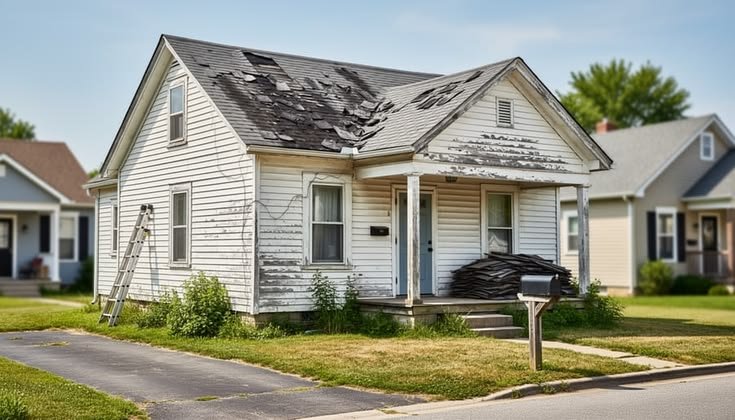
Every homeowner deals with occasional repair needs, but there’s a meaningful difference between normal maintenance and a situation where repair costs have become genuinely unsustainable relative to your financial situation. Some signs that you may have crossed that threshold include:
#1. Multiple major systems (roof, HVAC, plumbing, electrical) needing replacement or significant repair simultaneously
#2. Repair estimates that exceed what you could reasonably finance or save toward within a realistic timeframe
#3. A pattern of deferring maintenance because you simply can’t afford it, leading to worsening damage over time
#4. Feeling that keeping up with the home is affecting your ability to cover other essential expenses
#5. A growing sense of dread or avoidance around dealing with the property at all
Recognizing these signs honestly, without shame or self-judgment, is the first step toward making a clear-eyed decision about whether to sell a house you can’t afford to repair in Indiana rather than keep sinking money and stress into an unsustainable situation.
Why Deferred Maintenance Compounds So Quickly
One of the most frustrating aspects of falling behind on home repairs is how quickly small, manageable issues can snowball into much larger, more expensive problems.
A minor roof leak left unaddressed can lead to structural damage, mold growth, and compromised insulation. A failing water heater or plumbing issue can cause water damage that spreads far beyond the original problem if not addressed promptly.
This compounding effect is why homeowners often face multiple, simultaneous major repair needs rather than a single manageable project.
Once you’re behind on maintenance, catching up can feel genuinely impossible on a limited budget, which is exactly the situation that leads many owners to seriously consider whether it makes more sense to sell a house you can’t afford repairs in Indiana rather than attempting to catch up incrementally.
Understanding Your Realistic Financial Picture
Before deciding on a path forward, it’s worth taking an honest, complete inventory of your situation. This includes getting a realistic estimate of what full repairs would actually cost, comparing that to your available savings, financing options, and monthly budget capacity, and being honest with yourself about whether catching up is truly feasible given your current financial circumstances.
It’s also worth considering the ongoing costs of continuing to live in a home with unresolved issues, higher utility bills from inefficient systems, potential health impacts from mold or air quality issues, or the emotional toll of living somewhere that feels perpetually in crisis.
These less obvious costs are worth factoring into your decision alongside the more straightforward repair estimates, since they often tip the scale toward selling a house you can’t afford to repair in Indiana sooner rather than later.
Your Realistic Options Moving Forward
Once you have a clear picture of your situation, several paths are generally available, each with distinct trade-offs worth understanding fully.
Option One: Prioritize and Phase Repairs
If your financial situation allows for some flexibility, tackling the most urgent, safety-related repairs first while deferring less critical cosmetic or convenience issues can sometimes make an otherwise overwhelming repair list more manageable.
This approach requires careful prioritization, ideally with input from a licensed contractor or home inspector who can help you distinguish between truly urgent issues and those that can reasonably wait.
This path can work if your repair needs, while significant, aren’t so extensive that even prioritized, phased work remains financially out of reach. It requires ongoing commitment and budgeting discipline, but it lets you stay in your home while gradually addressing the most pressing concerns.
Option Two: Explore Financing or Assistance Programs
Various financing options exist for homeowners facing significant repair needs, including home equity loans or lines of credit, government-backed renovation loans, and in some cases, local or state assistance programs specifically designed to help homeowners with essential repairs they otherwise couldn’t afford.
Indiana residents may have access to programs through state housing agencies or local community development organizations, particularly for essential repairs related to health and safety.
Investigating these options thoroughly before ruling them out is worthwhile, since assistance may be more available than many homeowners initially assume, particularly for lower-income households or specific repair categories like heating system failures.
Option Three: Sell the House As-Is
For many homeowners, particularly those facing extensive repair needs across multiple systems, selling the property as-is to a cash buyer or investor represents the most practical, stress-relieving path forward.
This option eliminates the need to find financing for repairs, removes the ongoing stress of managing an unsustainable maintenance situation, and typically allows for a fast, straightforward closing process.
Choosing to sell a house you can’t afford to repair in Indiana through this route means accepting a lower sale price than a fully repaired, move-in-ready home would command, since the buyer factors in their own renovation costs and profit margin.
For many owners in this situation, though, the tradeoff is well worth it: a faster resolution, no upfront financial burden, and the ability to move forward with a clean slate rather than continuing to manage a deteriorating property.
What Selling As-Is Actually Looks Like
If you decide selling as-is is the right path, understanding the process can help set realistic expectations. Cash buyers and investors specializing in distressed properties typically evaluate your home based on its current condition, factoring in the estimated cost of necessary repairs along with their own required profit margin.
The process is generally much faster than a traditional sale. Many cash buyers can complete an evaluation and present an offer within days, with closing often possible in as little as one to two weeks, compared to the months that a traditional listing, repair process, and financed buyer transaction might require.
This speed can be particularly valuable for homeowners who are financially stretched and need resolution quickly, rather than continuing to carry the burden of an unaffordable property.
It’s worth getting offers from multiple buyers if possible, since terms, timelines, and offer amounts can vary between companies and individual investors.
A real estate agent experienced in distressed property sales can also help you evaluate whether a traditional listing with disclosed repair needs might actually generate a better outcome than an immediate as-is cash sale, depending on your specific situation and local market conditions– an important comparison to make before finalizing any decision to sell a house you can’t afford repairs on in Indiana.
Traditional Listing With Disclosed Repair Needs
An alternative to selling directly to a cash buyer is listing your home traditionally, fully disclosing its condition and repair needs, and pricing it accordingly.
This approach can sometimes attract a slightly broader buyer pool, including handy owner-occupants or smaller-scale investors, potentially resulting in a higher sale price than a direct cash sale, though typically with a longer timeline and more negotiation.
This path requires more patience and a willingness to manage showings, inspections, and negotiations, which may or may not be realistic depending on your financial timeline and personal capacity to manage the process.
Weighing the potential for a somewhat higher price against the added time and effort required is an important part of deciding which selling approach makes the most sense for your circumstances.
Legal and Disclosure Requirements in Indiana

Regardless of which path you choose, Indiana law requires sellers to disclose known material defects and issues affecting the property.
This means being transparent about deferred maintenance, known system failures, and other significant issues, even when selling as-is to an investor who will likely conduct their own inspection.
Full, honest disclosure protects you legally and helps build trust with buyers, reducing the likelihood of disputes after closing.
This is particularly important in situations involving significant deferred maintenance, since buyers may later claim inadequate disclosure if problems surface that weren’t clearly communicated at the time of sale a risk worth taking seriously whenever you sell a house you can’t afford repairs in Indiana.
The Emotional Side of This Decision
It’s worth acknowledging that reaching the point where you need to sell a house you can’t afford repairs in Indiana often comes with significant emotional weight, separate from the practical financial considerations.
Feelings of guilt, frustration, or a sense of failure are common, even though an unaffordable repair situation often results from circumstances outside your control: job loss, medical expenses, or the compounding costs of aging systems in an older home.
Recognizing that this is a common, understandable situation, not a personal failing, can help ease some of the emotional burden that often accompanies this decision.
Choosing to sell rather than continuing to struggle with an unsustainable financial and maintenance situation is frequently the more responsible, forward-thinking choice, even when it doesn’t feel that way at the moment.
Working With the Right Professionals
Navigating this decision is easier with the right support. A real estate agent experienced in distressed property sales can help you understand your realistic options and connect you with reputable cash buyers if that path makes sense.
A financial advisor or housing counselor can help you evaluate whether repair financing or assistance programs might be a viable alternative to selling. In some cases, a real estate attorney can help ensure you meet your disclosure obligations and that any sale agreement protects your interests.
Taking the time to consult with these professionals, even briefly, can help you make a more informed decision and avoid costly missteps during an already stressful situation.
Tips for Moving Forward With Confidence
#1. Get an honest, complete repair assessment. Understanding the full scope of what’s needed helps you make a realistic decision rather than guessing.
#2. Explore assistance programs before ruling them out. You may have more options than you think, especially for essential health and safety repairs.
#3. Compare multiple cash offers if selling as-is. Terms and offer amounts can vary significantly between buyers.
#4. Disclose known issues fully and honestly. This protects you legally and helps build trust with whichever buyer you ultimately choose.
#5. Give yourself grace throughout the process. This is a common, understandable situation, and working through it thoughtfully is a sign of responsible decision-making, not failure.
Frequently Asked Questions
Is it common to sell a house you can’t afford repairs in Indiana rather than fixing it up first? Yes, this is a common and completely reasonable path, particularly when repair costs significantly exceed what’s financially feasible in a realistic timeframe.
Will I get a fair price if I sell my house as-is due to repair needs? While the price will typically be lower than a fully repaired home would command, reputable cash buyers and investors generally base offers on realistic repair costs rather than taking unfair advantage of a homeowner’s situation, especially when you compare multiple offers.
Are there programs to help pay for essential home repairs in Indiana? Some state and local programs can help homeowners with essential repairs, particularly those related to health and safety. It’s worth researching these options before deciding to sell, especially if you’d prefer to remain in your home.
Final Thoughts
Reaching a point where a home’s needs have outpaced your ability to keep up is genuinely difficult, but it doesn’t have to define you or trap you in an unsustainable situation.
Whether you choose to explore financing and assistance options, phase repairs strategically, or move forward with an as-is sale, understanding your realistic options puts you back in control.
For many homeowners, choosing to sell a house you can’t afford repairs in Indiana isn’t a setback; it’s a responsible, forward-looking decision that frees up both financial resources and mental energy to focus on a more sustainable path ahead.