
Can I sell my house without a real estate agent
Can I sell my house without a real estate agent
Selling your house without a real estate agent is possible. Many homeowners choose this path to save on commission fees. This process is known as “For Sale By Owner” (FSBO).
FSBO can be rewarding but requires effort and organization. You’ll handle everything from pricing to closing.
Understanding the local market is crucial. It helps set a competitive price.
Marketing your home effectively is key. High-quality photos and a compelling listing can attract buyers.
This guide will walk you through the FSBO process. You’ll learn tips for a successful sale.
Key Takeaways
Selling FSBO can save you the typical 5–6% agent commission, but it shifts all responsibilities to you, including pricing, marketing, showings, negotiations, and legal paperwork.
Success hinges on accurate pricing based on solid market research, thorough prep and staging, and broad online/offline marketing.
Plan to consult a real estate attorney and consider appraisal/CMA services to stay compliant and avoid costly mistakes. FSBO works best for organized, responsive sellers with time and negotiation skills.
Summary
Selling your home without an agent (FSBO) can save you 5-6% in commissions but requires you to manage pricing, marketing, showings, negotiations, and legal paperwork.
Success depends on solid market research, accurate pricing, thorough prep and staging, and broad, effective marketing. Be ready to respond quickly to inquiries and consider hiring a real estate attorney and valuation services to avoid legal or pricing mistakes.
FSBO suits organized, hands-on sellers with time and negotiation skills; otherwise, professional help may be wiser.
What Does It Mean to Sell a House Without an Agent?
Selling a house without a real estate agent is known as For Sale By Owner (FSBO). This process involves managing all aspects of the sale independently.
As an FSBO seller, you’ll need to handle tasks typically performed by realtors. This includes pricing, marketing, negotiating, and legal paperwork.
Here’s what FSBO entails:
- Researching the market to determine the right price
- Preparing and marketing your home
- Managing showings and negotiations with potential buyers
- Handling legal documents and closing details
Pros and Cons of Selling Without a Realtor
Selling your house without a realtor can save you significant money. The typical realtor commission ranges from 5-6%, which can add up. Handling the sale yourself puts that money back in your pocket.
Here are some advantages of FSBO:
- Potentially saving on commission fees
- Total control over the selling process
- Direct communication with buyers
However, FSBO is not without its challenges. It requires time, effort, and organization. Lack of real estate knowledge can also hinder the process.
Consider these potential drawbacks:
- Time-consuming tasks and responsibilities
- Need for strong marketing skills
- Handling complex legal paperwork
Balancing these pros and cons is essential. Each homeowner’s situation is unique, so weigh the benefits against the challenges carefully. If you’re well-prepared and motivated, FSBO can be rewarding.
Is FSBO Right for You? Key Considerations
Deciding to sell your house on your own involves evaluating your capabilities and needs. FSBO, or For Sale By Owner, isn’t ideal for everyone. Consider whether you enjoy taking a hands-on approach.
Ask yourself:
- Do you have time and energy to manage the sale?
- Are your negotiation skills strong?
- Do you understand market dynamics?
Contemplate your comfort with managing legal documents and marketing tasks. If you’re confident in these areas, FSBO could be a great fit. However, if these responsibilities feel overwhelming, it might be best to seek professional help. Weigh these factors carefully to make the right decision.
Step 1: Research the Local Market and Set the Right Price
Start by understanding your local real estate market. This knowledge helps you set a competitive price. Study recent sales of similar homes in your neighborhood.
Consider hiring a professional for a comparative market analysis or an appraisal. These services can provide detailed insights into your home’s value. Accurate pricing is crucial for attracting buyers quickly.
Think about current market trends, buyer demand, and seasonality. Overpricing can deter buyers, while underpricing may leave money on the table. Balance is key.
Key steps include:
- Reviewing local listings
- Analyzing sales data of similar homes
- Considering professional valuation services
Being well-informed can prevent costly pricing errors. A competitive price sets the stage for a smooth sale. Putting in the effort now pays off when your home attracts serious buyers.
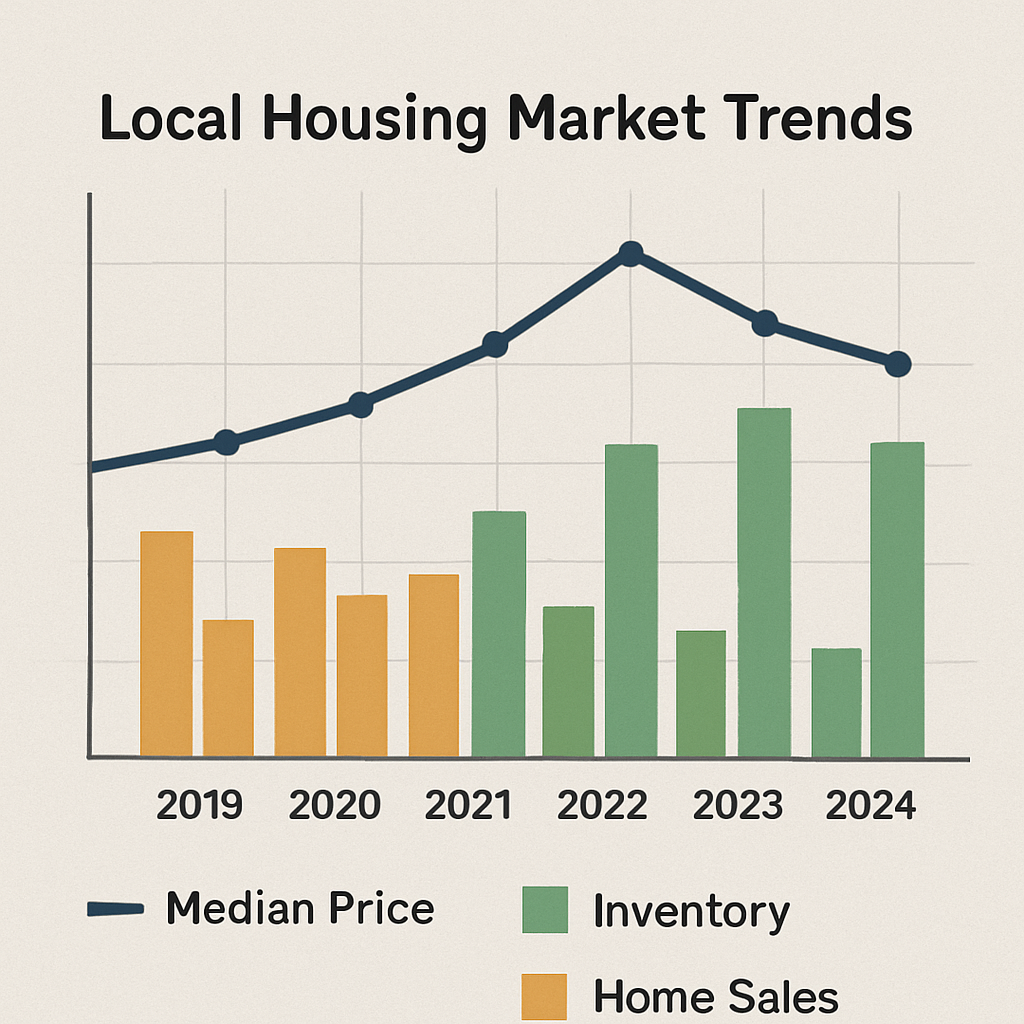
Step 2: Prepare Your Home for Sale
Getting your home ready for sale requires some effort. Start by decluttering and deep cleaning. A tidy home makes a great first impression.
Consider any necessary repairs or improvements. Fix leaky faucets, replace broken tiles, and repaint walls if needed. These small details can increase your home’s value.
Staging can also make a big difference. Arrange furniture to maximize space and light. Use neutral decor to appeal to the broadest range of buyers.
Essential tasks include:
- Decluttering and cleaning
- Making necessary repairs
- Staging the home attractively
An inviting home instantly captures buyers’ interest. Thoughtful preparation can lead to faster offers. Your home will stand out among the competition with these simple steps.

Step 3: Create a Compelling Listing
Crafting an eye-catching listing is crucial to attract potential buyers. Start with a captivating headline that highlights your home’s best features. An engaging headline makes buyers click to learn more.
High-quality photos are essential for an attractive listing. Use a good camera or hire a professional photographer. Capture the best angles and ensure good lighting for each shot.
In your description, include all key details about the property. Highlight unique aspects and amenities. Provide clear information on size, location, and recent upgrades.
Key elements for an effective listing:
- Captivating headline
- High-quality images
- Detailed and descriptive text
A compelling listing showcases your home in the best possible light. It’s an essential part of your selling strategy, inviting buyers to see your property firsthand.
 by Vidar Nordli-Mathisen (https://unsplash.com/@vidarnm)
Step 4: Market Your Home Effectively
Effective marketing is key to a successful home sale without an agent. Begin by identifying the best channels to reach potential buyers.
Leverage online platforms like social media, FSBO websites, and local classifieds. These channels offer vast reach and targeted exposure.
Traditional methods still work well. Use yard signs and distribute flyers in the neighborhood. Local newspapers can also be a great way to spread the word.
To increase visibility, network with local professionals. Connect with mortgage brokers and real estate attorneys. They often know buyers searching for homes in your area.
Marketing strategies:
- Use online platforms
- Distribute yard signs and flyers
- Network with local professionals
A broad marketing approach ensures your home reaches the right audience. It’s essential to drive inquiries and schedule viewings.
by Steven Brown (https://unsplash.com/@infocus365)
Step 5: Show Your Home to Potential Buyers
Displaying your home is crucial in attracting potential buyers. Start by scheduling flexible viewing times to accommodate different schedules.
Prepare your home before each showing. Ensure it’s clean, well-lit, and free of clutter. A tidy home makes a lasting impression.
Hosting open houses can draw multiple buyers at once. Consider offering private showings for interested parties who request them.
Tips for effective showings:
- Schedule flexible viewing times
- Maintain cleanliness and organization
- Offer both open houses and private showings
These efforts help create a welcoming environment. A positive showing experience can accelerate the sales process.
Step 6: Negotiate Offers and Handle Buyer Inquiries
Negotiations are a critical step in selling your home. Be prepared to respond promptly to all inquiries. Quick responses show your commitment to the sale.
Review each offer carefully. Consider not just the price but also the terms and contingencies. A favorable offer often balances both.
Engage in clear communication during negotiations. Being open and honest creates a positive rapport with potential buyers.
Key negotiation tips:
- Respond promptly to inquiries
- Assess the overall offer, not just the price
- Maintain open and honest communication
Negotiating effectively can lead to a smooth closing process. Successful negotiations make both parties feel satisfied with the agreement.
Step 7: Understand the Legal Paperwork and Closing Process
Selling a house requires handling significant legal paperwork. Ensure you understand each document involved in the transaction. This knowledge can prevent costly mistakes.
Consider hiring a real estate attorney. They can guide you through complex forms and ensure compliance with local laws. An expert by your side provides peace of mind.
Prepare for the closing process, which involves multiple steps. This phase includes appraisals, inspections, and finalizing sales contracts. Each element plays a vital role in transferring ownership legally.
Key legal tasks include:
- Understanding contracts and disclosures
- Navigating local regulations
- Conducting property inspections
by Benjamin Smith (https://unsplash.com/@ifbdesign)
The closing is the final hurdle in the home-selling journey. Handling it thoroughly ensures a smooth transfer of ownership. This careful attention can lead to a successful FSBO sale.
Common Challenges and How to Overcome Them
Selling a house without a realtor can be daunting. You might encounter several challenges that require your attention and problem-solving skills. Knowing what to expect can help you prepare.
One common hurdle is setting the right price. Without expert advice, you could price your home too high or too low. This issue can lead to delays or undervaluation.
Another issue is the complexity of legal paperwork. Mistakes can lead to complications or even legal troubles. Being vigilant and thorough is crucial.
To overcome these challenges:
- Educate yourself on market trends
- Use appraisal or CMA services
- Consider hiring a real estate lawyer
Taking proactive steps ensures your FSBO experience is smoother and more successful.
Frequently Asked Questions About Selling Without an Agent
Is it cheaper to sell my house myself?
Yes, selling independently can save on agent commissions, typically 5-6% of the sale price. However, be prepared for other expenses, such as marketing and legal fees.
Do I need a lawyer to sell my home?
It’s wise to hire a real estate attorney to ensure that all legal documents are handled correctly. This can prevent potential legal issues.
How do I determine the right price for my home?
Consider a professional appraisal or comparative market analysis. Understanding local market trends can also guide your pricing strategy.
What are common FSBO marketing strategies?
Here are a few:
- Online and social media ads
- Yard signs
- Open houses
Final Tips for a Successful FSBO Sale
Selling a house on your own can be a rewarding experience if done properly. It requires planning and a proactive approach. Always remain organized and prepare for each step of the process.
Here are a few essential tips to ensure success:
- Set a realistic timeline: Avoid rushing.
- Embrace negotiation: Be ready to talk and adjust.
- Stay informed: Keep up with market changes.
Understanding buyer expectations and preferences enhances your chances of closing the deal. Stay honest and prompt in your interactions, and don’t hesitate to seek professional advice when needed.
Conclusion: Should You Sell Your House Without an Agent?
Deciding to sell your home without an agent involves weighing the benefits and challenges. It offers significant cost savings and process control.
However, it demands considerable time and effort. Consider your skills and resources carefully.
If you’re detail-oriented, patient, and ready for a challenge, FSBO might be the path for you. Just ensure you’re prepared for the journey ahead.