

A house fire is one of the most stressful experiences a homeowner can face, and the aftermath often brings just as many challenges as the event itself.
Once the immediate crisis passes, many Indiana homeowners face a difficult decision: repair the damage and stay, or sell the property and move on.
For those leaning toward selling, understanding the full financial picture is critical because selling a fire-damaged house in Indiana often involves costs and complications that insurance won’t cover.
This guide breaks down what homeowners typically discover after a fire, where insurance coverage often falls short, and how to approach a sale strategically, whether you repair first or sell as-is.
Understanding the True Cost of Fire Damage
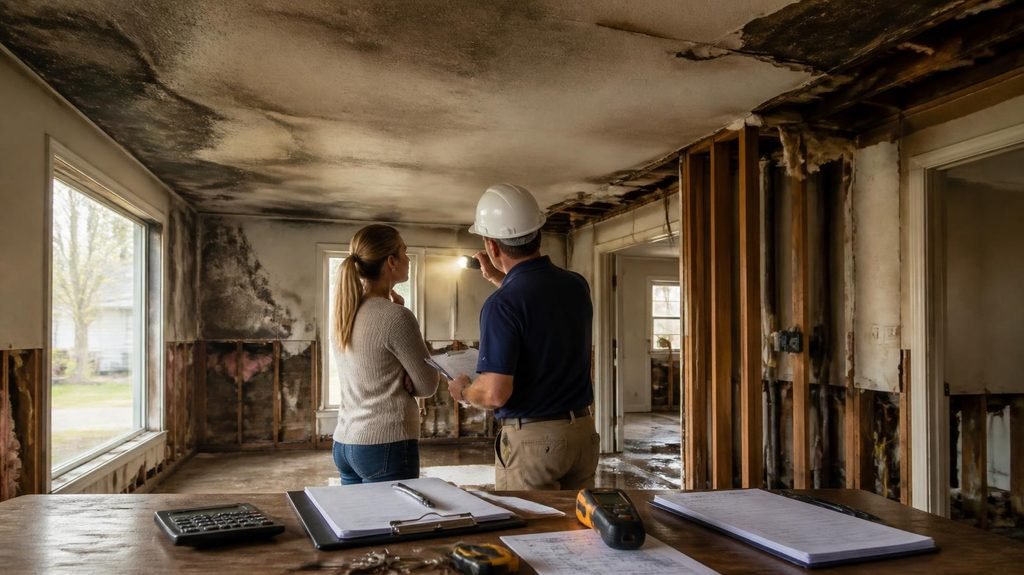
Fire damage extends far beyond the visible burn marks. Smoke damage can permeate walls, insulation, and ductwork, while water damage from firefighting efforts often causes additional structural and mold-related issues that aren’t always immediately apparent.
When homeowners start planning to sell a fire-damaged house in Indiana, they often underestimate how extensive the necessary repairs and associated costs can be.
Structural issues, electrical damage, and compromised plumbing are common secondary effects that may not appear in the initial insurance assessment.
These hidden costs can significantly affect both the decision to repair versus sell, and the ultimate sale price if the home is sold without full remediation.
What Homeowners Insurance Typically Covers
Most standard homeowners insurance policies in Indiana cover fire damage, including structural repairs, damage to personal property, and, in some cases, additional living expenses if the home becomes temporarily uninhabitable.
This coverage helps homeowners rebuild or repair, restoring the property to its pre-fire condition.
Policies generally cover:
- Structural repairs to the home itself, up to policy limits
- Replacement of damaged personal belongings, subject to policy terms
- Temporary housing costs while repairs are underway
- Removal of debris directly related to the fire damage
While this coverage is substantial, it’s rarely enough to cover every cost of selling a fire-damaged house in Indiana, especially given the realities of the local real estate market and buyer expectations.
Where Insurance Coverage Falls Short
This is where many homeowners are caught off guard. Insurance is designed to restore a home to its prior condition, not to account for the market realities of selling that same home afterward. Several key gaps commonly emerge.
Depreciation and Actual Cash Value Policies
Many policies pay out based on actual cash value rather than full replacement cost, meaning depreciation on older systems, roofing, or finishes is factored into the payout.
This can leave a significant gap between what it costs to fully restore the home and what the insurance settlement provides, a gap the homeowner must cover out of pocket if they plan to repair before selling one of the first financial surprises many people face when selling a fire-damaged house in Indiana.
Market Value Impact, Even After Repairs
Even after a home is fully repaired following a fire, many buyers remain hesitant to purchase a property with a known fire history. This stigma can suppress market value regardless of how thorough the repairs were, and insurance settlements do nothing to offset this kind of diminished resale value.
Anyone considering selling a fire-damaged house in Indiana after making repairs should factor in this potential discount when setting price expectations.
Code Upgrade Costs
Older Indiana homes, particularly those with outdated electrical or plumbing systems, may require significant upgrades to meet current building codes during repairs.
Standard insurance policies often don’t fully cover the cost of bringing outdated systems up to current code, leaving homeowners responsible for these additional expenses if they want the home rebuilt to a sellable, code-compliant standard.
Extended Time on Market and Carrying Costs
Insurance doesn’t account for the carrying costs, mortgage payments, property taxes, insurance premiums, and utilities that continue to accrue while a fire-damaged home sits unsold or undergoes repairs.
These ongoing expenses can add up significantly, especially if repairs take months or the home lingers on the market longer than a typical listing because of its history.
Environmental and Remediation Costs
Smoke odor removal, mold remediation from firefighting water damage, and asbestos testing in older homes are examples of costs that may not be fully covered, especially if they’re determined to be pre-existing conditions or excluded under specific policy provisions.
These remediation needs can be substantial and often surface only after a thorough post-fire inspection.
Deciding Whether to Repair or Sell As-Is

One of the most important decisions homeowners face after a fire is whether to invest in full repairs before selling or to sell the property as-is. Both paths have distinct financial and practical implications.
The Case for Repairing Before Selling
Repairing a fire-damaged home before listing it can considerably expand the buyer pool. Owner-occupant buyers, who typically make up the largest share of the housing market, are usually unwilling or unable (due to financing restrictions) to purchase a home with significant fire damage.
Traditional mortgage lenders often won’t approve loans for homes with unresolved fire damage, limiting the buyer pool primarily to cash buyers unless repairs are completed first.
However, repairing before selling requires upfront capital, especially if insurance proceeds don’t fully cover restoration costs.
Homeowners need to weigh whether the potential increase in sale price and broader buyer pool justifies the out-of-pocket expense and time investment required to complete repairs.
The Case for Selling As-Is
Selling a fire-damaged house in Indiana as-is can be an attractive option for homeowners who don’t have the capital, time, or desire to manage a full repair process.
This approach typically appeals to investors, contractors, and cash buyers who specialize in distressed properties, often at a discount that accounts for the repairs they’ll need to do themselves.
While the sale price will likely be lower than what a fully repaired home would command, selling as-is eliminates upfront repair costs, avoids the extended timeline of renovations, and offers a faster path to closing, which matters for homeowners eager to move on.
Finding the Right Buyer for a Fire-Damaged Property
Marketing a fire-damaged home requires a different approach than a standard listing. Being transparent about the property’s history is not only an ethical best practice but typically a legal requirement under Indiana’s seller disclosure laws. Concealing fire damage can expose sellers to significant legal liability down the road.
Investors and cash buyers actively seeking distressed properties are often the most realistic buyer pool for homes sold as-is.
These buyers typically have experience evaluating fire-damaged properties and factoring repair costs into their offers, making for a more straightforward, if lower-priced, transaction than attempting to market the home to traditional owner-occupant buyers.
Real estate agents who specialize in distressed property sales can also connect sellers with the right buyer networks, including local investors who regularly buy properties in similar condition.
Working With Your Insurance Company
Before making final decisions about selling a fire-damaged house in Indiana, fully understand your insurance settlement and what it does and doesn’t cover.
Request a detailed breakdown of your claim payout, including how depreciation was calculated and what specific repairs or replacements the settlement is intended to cover.
If you believe your settlement is insufficient, you can appeal or negotiate with your insurance company, especially if you can document additional damage or costs not included in the initial assessment.
Hiring an independent adjuster or contractor to provide a second opinion on repair costs can strengthen your position during these negotiations.
Understanding exactly what your insurance settlement covers and, just as importantly, what it doesn’t is essential groundwork before deciding whether to repair, sell as-is, or pursue some combination of partial repairs followed by a sale.
Legal and Disclosure Requirements in Indiana
Indiana law requires sellers to disclose known material defects, and fire damage clearly falls into this category. Even if repairs are complete, many sellers choose to proactively disclose the property’s fire history to avoid potential legal disputes down the road, especially if any latent issues from the fire surface after closing.
Working with a real estate attorney familiar with disclosure requirements can help ensure you’re meeting all legal obligations while protecting yourself from future liability.
This is particularly important when selling a fire-damaged house in Indiana that has undergone repairs, since buyers may later claim inadequate disclosure if problems emerge that weren’t clearly communicated at the time of sale.
Pricing Strategy for a Fire-Damaged Home
Pricing a fire-damaged property, whether repaired or as-is, requires careful consideration of several factors beyond typical comparable sales data.
If selling as-is, work with an agent or investor familiar with distressed property values to understand what buyers in this specific category are willing to pay, factoring in their anticipated repair costs and desired profit margin.
If selling after repairs, be prepared for the possibility that the home may not command the same price as a comparable property without any fire history, even if repairs were thorough and professionally completed.
Some buyers remain hesitant regardless of documentation, and you may need to price slightly below comparable non-fire-damaged properties to generate sufficient buyer interest.
Transparency about completed repairs, including permits pulled and contractor documentation, can help offset buyer hesitancy and support a stronger asking price than an undocumented repair job would command, a detail worth remembering at every stage of selling a fire-damaged house in Indiana.
Tips for Navigating the Sale Process
#1. Get a full, independent damage assessment. Don’t rely solely on the insurance company’s evaluation before deciding your next steps.
#2. Understand your settlement’s limitations. Know exactly what your payout covers and where the gaps are before committing to repairs.
#3. Disclose fire history transparently. Indiana law requires you to disclose known material defects, including past fire damage.
#4. Explore both repair and as-is sale options. Run the numbers on both paths before committing.
#5. Work with experienced professionals. A real estate agent, attorney, and possibly a public adjuster experienced with fire-damaged properties can help you avoid costly missteps.
Frequently Asked Questions
Can I sell a fire-damaged house in Indiana without making repairs? Yes, but you’ll likely need to market to investors or cash buyers, since traditional financed buyers often can’t get a mortgage on homes with significant, unresolved fire damage.
Will my insurance settlement cover the full cost of repairs before selling? Not always. Depreciation, code upgrade requirements, and certain remediation costs often leave homeowners paying some expenses out of pocket.
Do I have to disclose fire damage even after repairs are completed? Generally, yes. Indiana disclosure laws require sellers to reveal known material defects, and many sellers disclose past fire damage even after repairs to protect themselves legally.
Final Thoughts
Selling a fire-damaged house in Indiana involves navigating a complex mix of insurance limitations, repair decisions, legal disclosure requirements, and buyer expectations.
Understanding where your insurance coverage falls short, from depreciation gaps to market-value impacts and code-upgrade costs, helps you decide whether to repair before selling or move forward with an as-is sale.
With careful planning, transparent disclosure, and the right professional guidance, homeowners can successfully navigate this challenging process and move forward, whether that means securing top dollar after thorough repairs or achieving a fast, straightforward as-is sale to an investor buyer.