

Falling behind on mortgage payments is one of the most stressful experiences a homeowner can face, but it doesn’t automatically mean losing your home.
If you’re searching for ways to avoid foreclosure in Indiana, the good news is that you have more options than you might think — and the earlier you act, the more choices you’ll have.
Indiana law provides several protections and pathways for struggling homeowners, from loan modifications to structured repayment plans to selling the property before the bank forces the issue.
This guide walks through the Indiana foreclosure process, the warning signs to watch for, and the practical steps you can take right now to protect your home, your credit, and your financial future.
Understanding the Indiana Foreclosure Process
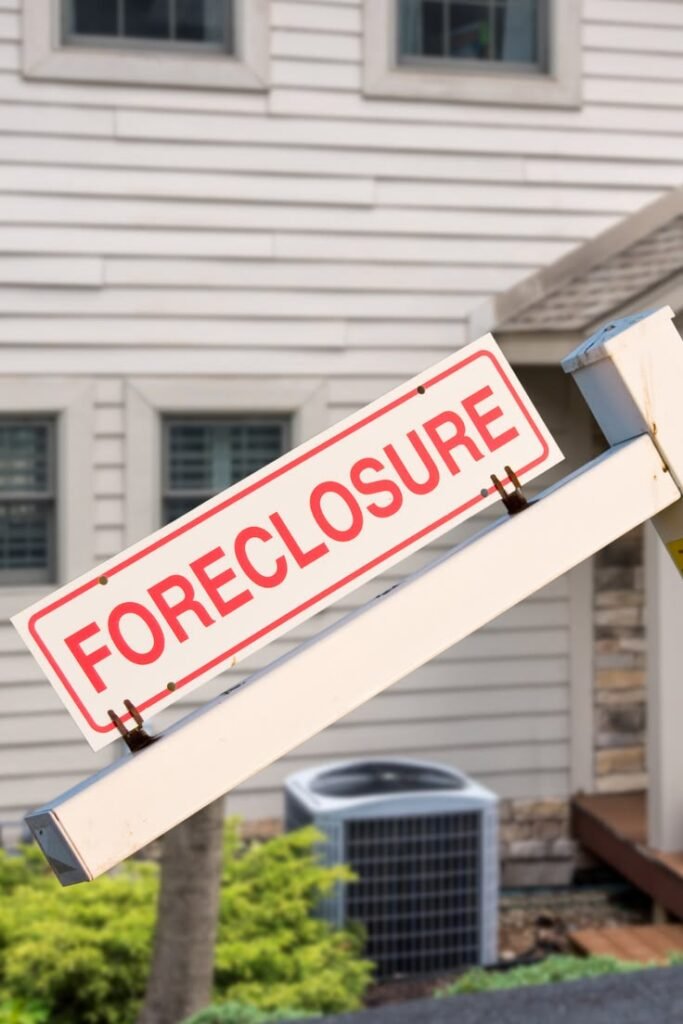
Before exploring your options, it helps to understand how foreclosure actually works in Indiana, since the process gives you more time and legal protection than many homeowners realize.
Indiana is a judicial foreclosure state, which means your lender cannot simply repossess your home without going through the court system. Here’s a general overview of how the Indiana foreclosure process typically unfolds:
#1. Missed payments. Foreclosure proceedings generally don’t begin until a homeowner is 90–120 days delinquent, in line with federal servicing rules.
#2. Notice of default and pre-foreclosure notice. Indiana law (Indiana Code § 32-30-10.5) requires lenders to send a pre-foreclosure notice at least 30 days before filing a foreclosure lawsuit, informing you of settlement conference rights.
#3. Settlement conference. For owner-occupied homes, homeowners have the right to request a settlement conference with the lender, often facilitated by the court, to discuss alternatives to foreclosure.
#4. Filing the lawsuit. If no resolution is reached, the lender files a foreclosure complaint in the county court where the property is located.
#5. Court judgment. If the court rules in the lender’s favor, a judgment of foreclosure is entered, and a sheriff’s sale is scheduled.
#6. Sheriff’s sale. The property is sold at a public auction, typically to the highest bidder or back to the lender.
#7. Redemption period. Indiana does not provide a post-sale statutory redemption period in most cases, which makes the pre-sale period especially critical for homeowners to act.
Because Indiana’s process runs through the courts, it typically takes several months to over a year from the first missed payment to an actual sheriff’s sale.
That window is your opportunity to explore foreclosure prevention resources in Indiana and pursue a resolution before losing the home entirely.
Warning Signs You Should Act On Immediately
Many homeowners wait too long to seek help, either out of embarrassment or the hope that things will improve on their own. Don’t wait for these warning signs to escalate before taking action:
- You’ve missed one or more mortgage payments
- You’ve received a notice of default or pre-foreclosure notice from your lender
- Your servicer has stopped accepting partial payments
- You’re relying on credit cards or loans to cover your mortgage
- You’ve experienced a job loss, medical emergency, divorce, or other major financial disruption
- You’ve received a summons for a foreclosure lawsuit
If any of these apply to you, the most important step is to act now. Lenders are often more willing to work with homeowners in the early stages of delinquency than after a lawsuit has been filed.
Option 1: Contact Your Lender Immediately
The single most effective step to stop foreclosure Indiana homeowners can take is reaching out to their mortgage servicer as soon as they anticipate trouble making a payment.
Servicers are generally required to explore loss mitigation options before proceeding with foreclosure, and many would rather work out a solution than go through the time and expense of a court process.
When you call, be prepared to provide:
- Proof of income (pay stubs, benefits statements, or tax returns)
- A hardship letter explaining what caused the missed payments
- Recent bank statements
- Your monthly budget and expenses
Ask specifically about loss mitigation options — this is the industry term for the alternatives discussed below.
Option 2: Loan Modification
A loan modification permanently changes the terms of your mortgage to make payments more affordable. This might include:
- Lowering your interest rate
- Extending the loan term
- Converting an adjustable-rate mortgage to a fixed rate
- Adding missed payments to the back of the loan (capitalization)
Loan modifications are one of the most common tools used in foreclosure prevention Indiana cases because they address the underlying affordability issue rather than just delaying the problem.
The process usually requires submitting a full financial package to your servicer, and approval can take several weeks to a few months.
Option 3: Forbearance Agreements

A forbearance agreement temporarily reduces or pauses your mortgage payments for a set period, typically three to twelve months. At the same time, you recover from a short-term hardship like a job loss or a medical issue.
At the end of the forbearance period, you’ll typically need to repay the missed amount through a repayment plan, a loan modification, or a lump-sum payment, depending on what your servicer allows.
Forbearance is best suited for homeowners who expect their financial situation to improve relatively soon — for example, someone returning to work after a temporary layoff.
Option 4: Repayment Plans
If you’ve fallen behind by a few months but are now able to resume full payments, a repayment plan lets you catch up gradually.
Your servicer will typically add a portion of the missed payments to your regular monthly payment for a set period until you’re current again.
Repayment plans work well for homeowners who had a short-term disruption in income but are now stable enough to handle a slightly higher monthly payment temporarily.
Option 5: Refinancing Your Mortgage
If your credit and income are strong enough, refinancing into a new loan with better terms can help you avoid foreclosure in Indiana by lowering your monthly payment or converting a high-interest loan into something more manageable.
This option works best before you’ve fallen too far behind, since missed payments can hurt your credit score and make refinancing more difficult.
Homeowners with FHA, VA, or USDA loans may also qualify for specific streamlined refinance programs designed to make this process faster and more accessible.
Option 6: Selling Your Home Before Foreclosure
If keeping the home isn’t realistic given your financial situation, selling before the foreclosure process concludes can help you avoid the credit damage and legal consequences of a completed foreclosure. Depending on your equity position, you have two main paths:
Traditional Sale
If you have enough equity to pay off your mortgage balance and closing costs, a traditional sale allows you to walk away with any remaining proceeds and a clean break from the loan.
Short Sale
If your home is worth less than what you owe, a short sale allows you to sell the property for less than the mortgage balance, with your lender’s approval.
While a short sale still affects your credit, it’s generally considered less damaging than a completed foreclosure, and it can help you avoid a deficiency judgment if your lender agrees to waive the remaining balance.
Option 7: Deed in Lieu of Foreclosure
A deed instead of foreclosure allows you to voluntarily transfer ownership of the property back to your lender in exchange for being released from the mortgage debt.
This option is typically considered only after other alternatives have been explored, since lenders generally prefer to see that a homeowner has attempted to sell the property first.
Benefits of a deed in lieu include:
- Avoiding the public court process of foreclosure
- Potentially less damage to your credit compared to a full foreclosure
- Faster resolution than waiting out a lawsuit
However, this option does result in losing the home, so it’s typically a last resort for homeowners who can’t realistically keep or sell the property.
Option 8: Bankruptcy as a Foreclosure Delay or Solution
Filing for bankruptcy can temporarily halt foreclosure proceedings through what’s known as an “automatic stay,” which stops most collection actions, including foreclosure, immediately upon filing.
- Chapter 13 bankruptcy allows homeowners to catch up on missed mortgage payments through a court-approved repayment plan over three to five years, potentially allowing you to keep your home.
- Chapter 7 bankruptcy can discharge certain unsecured debts, which may free up income to help you catch up on your mortgage, though it doesn’t directly stop foreclosure long-term unless combined with other arrangements.
Bankruptcy is a significant legal and financial decision, so it’s important to consult a bankruptcy attorney to determine whether it makes sense for your specific circumstances.
Homeowner Options Indiana Residents Can Access for Free Help
Beyond working directly with your lender, several resources exist specifically to help with homeowner options Indiana residents can use at no cost:
Indiana Foreclosure Prevention Network (IFPN)
The IFPN connects homeowners with free HUD-approved housing counselors who can review your financial situation, contact your lender on your behalf, and help you understand which options are realistic for your circumstances.
HUD-Approved Housing Counseling Agencies
The U.S. Department of Housing and Urban Development maintains a network of approved counseling agencies that provide free or low-cost foreclosure prevention counseling, budget analysis, and lender negotiation support.
Indiana Homeowner Assistance Fund
Indiana has administered federally funded homeowner assistance programs designed to help eligible homeowners catch up on mortgage payments, property taxes, and other housing-related costs following pandemic-related or other qualifying hardships.
Program availability and funding levels can change, so check the current status before assuming eligibility.
Legal Aid Organizations
Nonprofit legal aid organizations across Indiana provide free or reduced-cost legal representation for homeowners facing foreclosure lawsuits, including help understanding your settlement conference rights and negotiating with lenders.
Your Legal Rights During the Indiana Foreclosure Process
Homeowners in Indiana have specific legal protections during foreclosure that are worth understanding clearly:
- Right to a pre-foreclosure notice at least 30 days before a lawsuit is filed
- Right to request a settlement conference to discuss alternatives with your lender before the case proceeds
- Right to be properly served with a foreclosure lawsuit and given the opportunity to respond in court
- Right to legal representation, including free legal aid if you qualify
- Right to reinstate the loan in many cases by paying the full past-due amount plus fees before a judgment is entered, depending on your loan terms
- Right to attend the sheriff’s sale, though attending doesn’t stop the process by itself
Understanding these rights ensures you don’t accidentally waive protections that could otherwise buy you critical time to explore alternatives.
Common Mistakes Homeowners Make During Foreclosure
Avoiding these missteps can significantly improve your chances of a favorable outcome:
- Ignoring calls and letters from your lender. Communication is one of your most powerful tools, not something to avoid out of embarrassment.
- Assuming nothing can be done once a lawsuit is filed. Settlement conferences and loss mitigation options often remain available even after a case begins.
- Falling for foreclosure rescue scams. Be wary of companies promising guaranteed results in exchange for upfront fees — legitimate housing counseling is typically free.
- Waiting too long to explore selling. The longer you wait, the less equity and negotiating leverage you may have.
- Not attending the settlement conference. Skipping this opportunity removes a valuable chance to negotiate directly with your lender under court supervision.
Frequently Asked Questions About Avoiding Foreclosure in Indiana
How long does the foreclosure process take in Indiana?
Because Indiana requires judicial foreclosure, the process typically takes anywhere from several months to over a year from the first missed payment to a completed sheriff’s sale, depending on court schedules and whether the homeowner requests a settlement conference.
Can I stop foreclosure after a lawsuit has already been filed?
Yes. Homeowners can still pursue loan modifications, repayment plans, short sales, or bankruptcy even after a foreclosure lawsuit has been filed, as long as action is taken before a final judgment and sheriff’s sale occur.
Will I owe money after a foreclosure in Indiana?
Depending on your loan and the sale price, lenders may pursue a deficiency judgment for the remaining balance owed after the sheriff’s sale, though this varies by case and loan type. Short sales and deeds in lieu sometimes include lender agreements to waive this deficiency.
Does Indiana have a right of redemption after foreclosure?
Indiana generally does not provide homeowners with a post-sale statutory redemption period in most residential foreclosures, which is why acting before the sheriff’s sale is so important.
Is foreclosure prevention counseling really free?
Yes, HUD-approved housing counseling agencies and the Indiana Foreclosure Prevention Network provide free counseling services. Be cautious of any company charging upfront fees for foreclosure help, as this can be a red flag for a scam.
Final Thoughts
Facing the possibility of losing your home is overwhelming, but homeowners who avoid foreclosure in Indiana successfully are almost always the ones who act early and use the resources available to them.
From loan modifications and forbearance to short sales and free housing counseling, Indiana offers multiple paths forward for homeowners willing to reach out for help before the situation results in a court judgment.
If you’re behind on your mortgage or worried you might fall behind soon, don’t wait for a notice in the mail to force your hand.
Contact your loan servicer, reach out to a HUD-approved counselor, and consult a real estate or bankruptcy attorney to understand which option best fits your specific financial situation.
Taking action today gives you far more control over the outcome than waiting until the foreclosure process is already underway.